-
Solutions
-
 Click Fraud Protection
Block invalid clicks across every ad channel.
-
 Smart Bidding Protection
Feed Google clean, human-only signals.
-
 Clean Remarketing Audiences
Exclude suspicious traffic from your lists.
-
 All Features
Every ClickPatrol feature in one place.
-
 E-commerce & Retail
Protect shopping campaigns and product feeds.
-
 Service Providers
Stop wasted spend on local & lead-gen ads.
-
 Mobile App Providers
Protect app install and in-app ad campaigns.
-
 Marketing Agencies
Show clients real, reportable media savings.
-
 All Industries
Browse click fraud protection by industry.
-
 Small Business
Affordable protection that pays for itself.
-
 Enterprises
Scale protection across brands & accounts.
-
 Regional Companies
Keep local budgets on real, nearby buyers.
-
 Multinationals
Consistent protection across every market.
-
-
Resources
-
What is Click Fraud?
Learn what fake PPC clicks are and why they matter.
-
 Bot Traffic
Detect and block non-human clicks.
-
 Competitor Fraud
Stop rivals draining your budget.
-
 Sophisticated Fraud
Catch SIVT that native filters miss.
-
 Click Farms
Stop coordinated low-quality click operations.
-
 Invalid Traffic
Block every click that never converts.
-
 FAQ
FAQ
Answers to the most common questions.
-
 Blog
Blog
Articles and guides from our expert team.
-
 Comparisons
ClickPatrol vs ClickCease and other tools.
-
 Tools
Tools
Free tools by ClickPatrol & Friends.
-
 About ClickPatrol™
Who we are and our mission.
-
 Case Studies
Why agencies and businesses use ClickPatrol.
-
 Customer Reviews
Reviews and success stories from customers.
-
 Partner Program
Join our affiliate & partner program.
-
 Contact us
Talk to our team about your ad traffic.
-
- Pricing
What is Content Scraping?
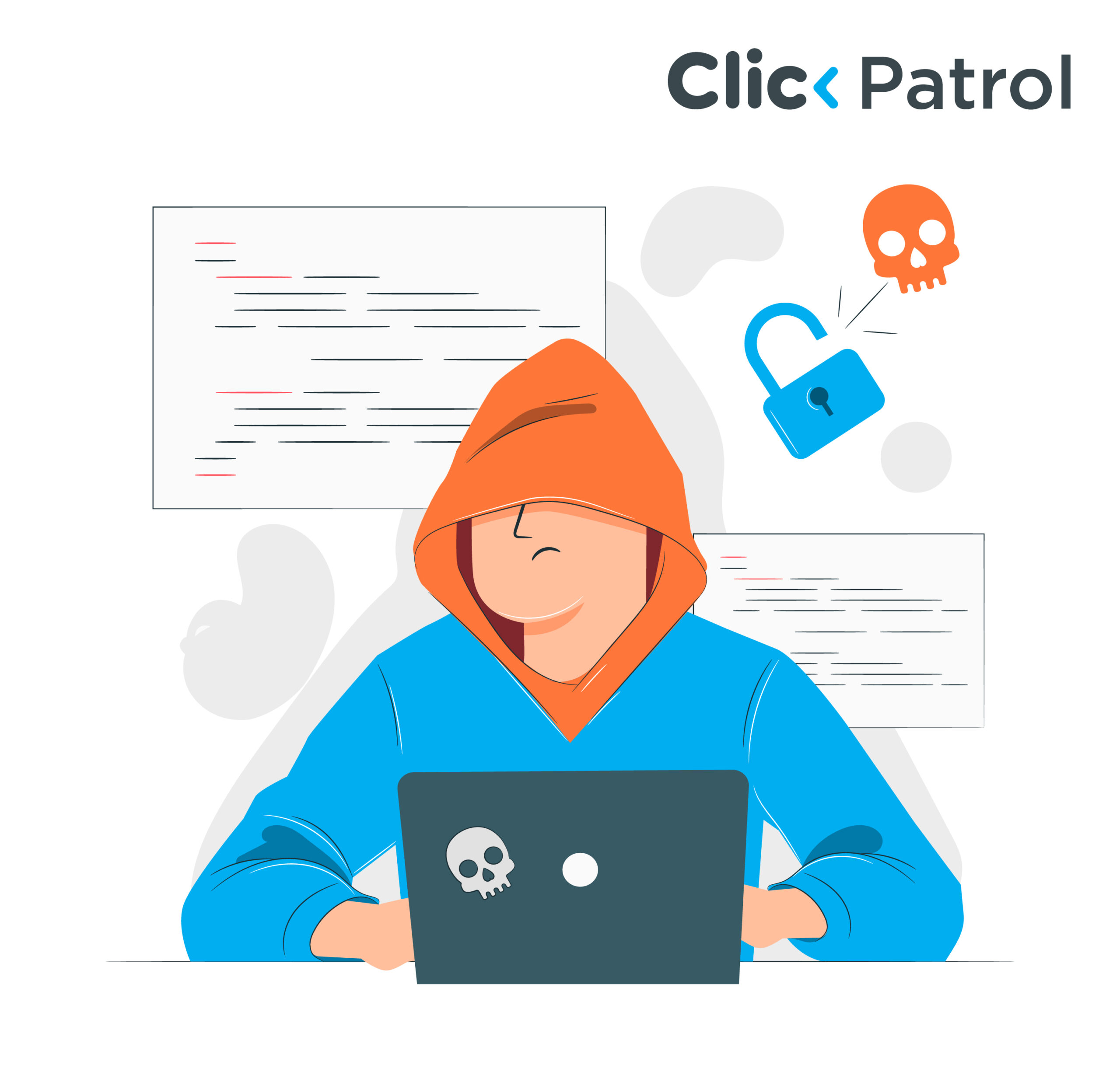
Content scraping is one of the more frustrating forms of fraudulent activity involving bots. Although your website would not go offline for several days, it might jeopardize your SEO efforts or even be utilized to replicate your website entirely for questionable purposes. Your content is vulnerable if you manage a website, including an e-commerce site.
Web owners must be aware of content scraping and take practical preventative steps. Keep reading to learn how to protect your website’s content against unauthorized scraping bots.
What is content scraping
When automated scraper bots automatically extract text, images, or videos from a website without authorization, this is known as content scraping. The scraped content is then published elsewhere without the copyright holder’s consent. It can be challenging for web users to determine whether a website contains duplicate content, and copyright holders may not even know they have been the victims of content scraping.
Certain types of data extraction have acceptable uses. Businesses frequently use content scraping to compare prices and conduct market research. Sadly, dishonest content scrapers also republish original content under pretenses.
Types of content targeted by scrapers
Content scraping gathers content such as:
- Blog entries
- Opinion articles
- News articles
- financial information
- Product catalogs
- Pricing information
- Product reviews
- Research publications
- Technical articles
- Social media posts
- Listings for jobs, properties, or other categories of classified ads
- Multimedia, video, and image content
How automated content scraping works
Content scraping, in its most basic form, is as simple as copying and pasting text or images from one data source, a web page, into another, a spreadsheet or word processing document. This procedure is not utilized broadly because it can take a very long period.
Content scraping is usually defined as an automated procedure by web crawlers and scraper bots. These automated scraping programs can extract massive volumes of original content from thousands of web pages. Replicating every content on a targeted website only takes a few seconds.
The steps involved in content scraping
The steps involved in content scraping are as follows:
- A crawler bot examines thousands of websites’ links, HTML structures, and pages in a systematic manner.
- The web crawler finds a website that is accessible and has the content it needs.
- A scraper bot copies text grabs multimedia components, or downloads pictures or videos to extract the needed content.
Although it takes a lot of work, a proficient coder may create their own web crawlers and scraper bots. Most who wish to participate in content or data scraping use digital tools explicitly designed to find and gather information from websites. Content can be used for several reasons after it has been scraped, some of which are morally and legally acceptable and others not.
What is the purpose of content scraping?
Content scraping has many uses and is only sometimes done with bad or illegal intent. Many businesses use content scraping for comparison, market research, and aggregation. In most nations, engaging in practices like content, data, web, or pricing scraping is not intrinsically unlawful. That being said, it is allowed to scrape content from websites. Information collecting alone is not illegal.
Ethical and unethical content scraping practices
What counts as illegal or unethical action depends on what you do with the content.
1. Ethical content scrapping practices: Since republishing material might be a strategy for generating links, some websites permit content scrapping. Duplicate content can also be utilized in blogs or guest posts for dissemination. This is only allowed if the website or copyright owner is credited and grants express permission to repost content.
2. Unethical content scraping practices: Then, there is the unethical and unlawful use of scraped content. Spoofed websites are fraudulent websites filled with content scraped from online publications. These websites imitate the actual item exactly, but their purpose is to steal money or payment details from users.
After placing a purchase, a consumer can receive low-quality counterfeit goods or nothing at all. Another everyday activity is using scraped content to commit click fraud. Fraudsters place ads on a spoof website and use bots to increase the number of clicks the ads receive. A web server may identify and take down websites that include large amounts of duplicate content and do not provide any value to the user.
Also, more than simply fraudulent websites are affected. Content scraping may have several detrimental consequences on original websites.
How can a website be harmed by content scraping?
Legal or illicit content scraping can significantly damage your company’s reputation, brand, and sales. Content scraping can also damage one’s reputation, cause a decline in search engine ranks, reduce income, and increase operating expenses. Building up strong search engine rankings requires a significant investment of time, money, and labor. Whether approved or not, content scraping can undermine these efforts.
How Content Scraping Affects SEO
According to Google’s guidelines, a website will be demoted in search results if it receives a significant volume of legitimate legal requests to remove scraped material. Since search engines cannot immediately tell if the content is from the original website, a valid website could receive a penalty.
If the web server suspects a valid site is fake, it may shut it down. Even if your website does remain up, bot traffic can negatively affect genuine users by using bandwidth and producing lag and slow loading times.
The impact of content scraping on website reputation and revenue
Content scraping might make you less visible online, and clients lose trust in your company. If customers are sent to fake websites, your reputation and brand value may suffer significantly. Customers may patronize competitors if they believe your company needs to be more reliable and trustworthy. This may result in a significant revenue decline. Fortunately, there are ways to tell if your content is being scraped and powerful defenses you may use against those who do so.
Recognizing content scrapers
Below are ways to recognize content scrapers:
- Pingbacks on internal links: Every time a post links to your website, whether created using WordPress or another content management system like Wix, you ought to receive a pingback. This is helpful regarding content scraping because you will receive a pingback if someone has copied your entire post, including internal links.
- Look up your text or titles: If you believe a specific piece of content was scraped, you can look for the post’s title on Google to see if it turns up. Ideally, yours is at the top, but a cunning duplicate may appear if you have been scraped!
- Google Alerts: Google Alerts is one of the best free tools for monitoring your online material. You can create an alert to monitor your online work. The subject line can only be included if you’re writing about a niche issue. To keep your inbox from getting cluttered, change the frequency of the alerts to once per week, or even better, set up a separate inbox solely for your alerts.
- Using keyword research tools: You can also use Ahrefs, SEM Rush, or Grammarly to discover duplicate online content. Naturally, Grammarly can detect plagiarism, which includes content that has been scraped.
How to keep your website safe from content scraping
The first step in safeguarding your website against content scraping bots is implementing a few basic precautions. It is possible to modify cascading style sheets (CSS) so that it is more difficult for content scrapers to find and extract desired content. Also, JavaScript can obscure parts and complicate data extraction for scraper bots. APIs allow you to limit the number of queries from a single IP address and manage data access.
Web application firewalls, or WAFs, can observe, filter, and block malicious traffic. Implementing CAPTCHA challenges through a content delivery network (CDN) can discourage web scraping bots. However, online fraud and bot prevention software is one of the most effective strategies to stop content scraping.