-
Solutions
-
 Click Fraud Protection
Block invalid clicks across every ad channel.
-
 Smart Bidding Protection
Feed Google clean, human-only signals.
-
 Clean Remarketing Audiences
Exclude suspicious traffic from your lists.
-
 All Features
Every ClickPatrol feature in one place.
-
 E-commerce & Retail
Protect shopping campaigns and product feeds.
-
 Service Providers
Stop wasted spend on local & lead-gen ads.
-
 Mobile App Providers
Protect app install and in-app ad campaigns.
-
 Marketing Agencies
Show clients real, reportable media savings.
-
 All Industries
Browse click fraud protection by industry.
-
 Small Business
Affordable protection that pays for itself.
-
 Enterprises
Scale protection across brands & accounts.
-
 Regional Companies
Keep local budgets on real, nearby buyers.
-
 Multinationals
Consistent protection across every market.
-
-
Resources
-
What is Click Fraud?
Learn what fake PPC clicks are and why they matter.
-
 Bot Traffic
Detect and block non-human clicks.
-
 Competitor Fraud
Stop rivals draining your budget.
-
 Sophisticated Fraud
Catch SIVT that native filters miss.
-
 Click Farms
Stop coordinated low-quality click operations.
-
 Invalid Traffic
Block every click that never converts.
-
 FAQ
FAQ
Answers to the most common questions.
-
 Blog
Blog
Articles and guides from our expert team.
-
 Comparisons
ClickPatrol vs ClickCease and other tools.
-
 Tools
Tools
Free tools by ClickPatrol & Friends.
-
 About ClickPatrol™
Who we are and our mission.
-
 Case Studies
Why agencies and businesses use ClickPatrol.
-
 Customer Reviews
Reviews and success stories from customers.
-
 Partner Program
Join our affiliate & partner program.
-
 Contact us
Talk to our team about your ad traffic.
-
- Pricing
Top PPC platforms for 2026: Best paid advertising networks for maximum ROI
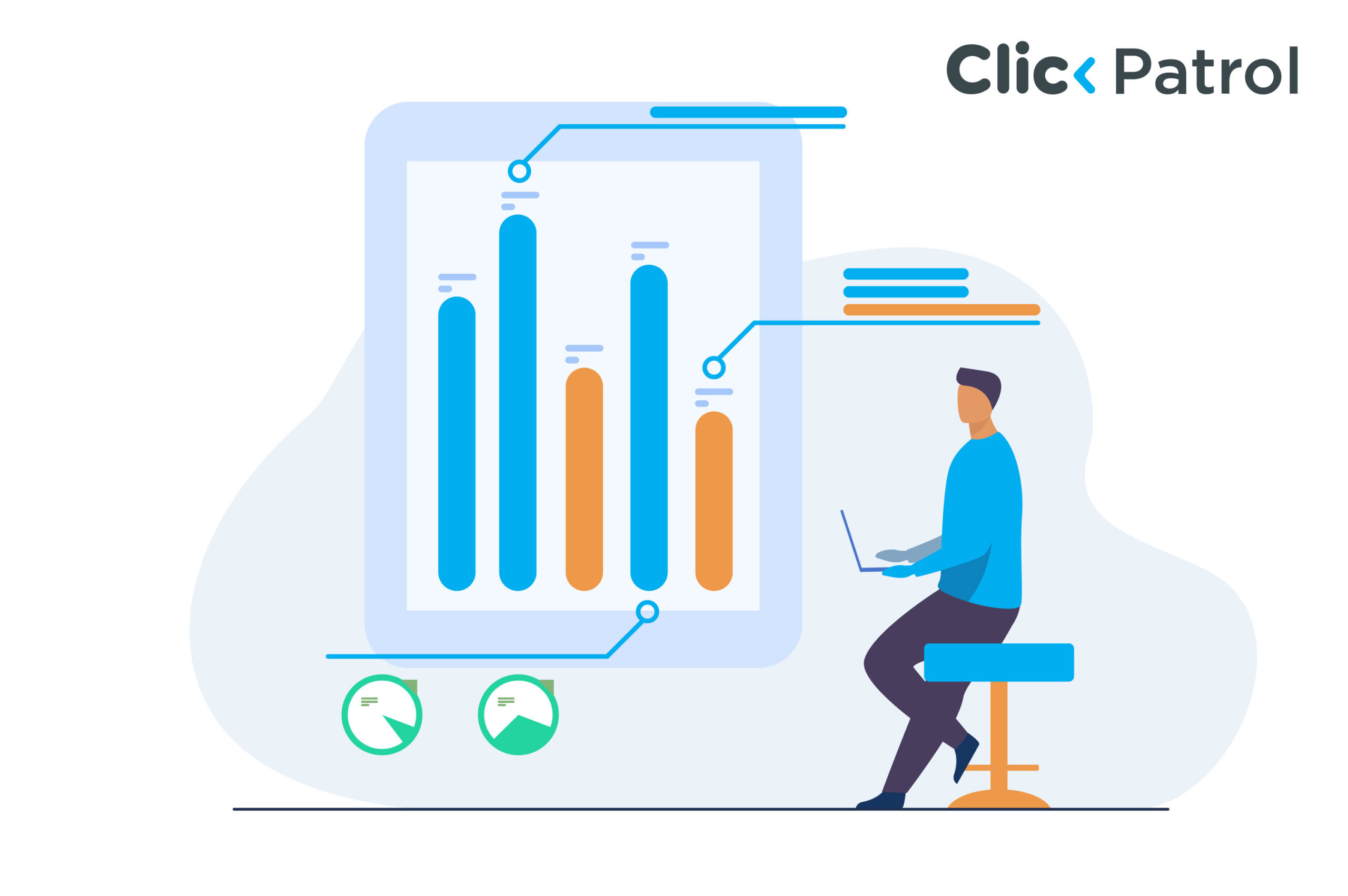
PPC advertising is a digital marketing strategy that helps businesses drive targeted traffic and increase conversions.
PPC advertisers earn an average of $2 for every $1 spent, making paid search a top digital marketing strategy (Google, 2024).
However, selecting the right PPC platform is essential to maximizing ad spending. This guide reviews the top PPC platforms, their key features, and provides guidance on selecting the best one for your business.
What are the top PPC platforms in 2026: Features, costs, and best use cases?
Since PPC traffic converts at 50% higher than organic traffic and 65% of small- to midsize businesses use PPC, mastering these platforms is key to unlocking your advertising potential. The top 6 PPC Platforms in 2026 include:
Google Ads: The king of PPC
Google Ads is the biggest PPC network, reaching 90% of all internet users, nearly 4.77 billion individuals.
Conducting billions of searches daily provides businesses with a powerful way to reach potential customers.
In 2024, Google Ads generated $88.3 billion in ad revenue, proving its dominance in digital advertising.
Key features
- Search ads appear at the top of Google search results.
- Display ads: Connect with people on millions of sites.
- YouTube ads: Engage with people via video ads.
- Ideal for e-commerce businesses.
- Performance Max: AI-driven ad campaigns across all Google platforms.
Pros
- Massive reach for audiences.
- Advanced targeting and bid features.
- Excellent conversion potential.
- Integrates with Google Analytics.
Cons
- Strong competition can raise advertising costs.
- Requires continuous optimization
Microsoft Ads (Bing Ads): A hidden gem
Microsoft Ads operates across the Bing, Yahoo, and AOL search networks, offering an alternative to Google Ads.
Although its audience is smaller, its CPC is lower, making it the best budget advertising platform.
As of January 2026, Bing held a global market share of about 4.04%. Furthermore, Microsoft Advertising connects with 653 million unique PC users worldwide.
Key features
- Search ads: Similar to Google but on Bing, Yahoo, and AOL.
- Ideal for e-commerce companies.
- LinkedIn integration: Enables targeting based on professional data.
Pros
- Lower CPC compared to Google Ads.
- Less competition in most niches.
- Bing Ads are ideal for B2B businesses and companies targeting professional or older demographics.
Cons
- Smaller audience compared to Google.
- Fewer third-party integrations are available.
Meta Ads (Facebook & Instagram Ads) Social media powerhouse
Meta Ads, which covers Facebook and Instagram, offers highly targeted social media advertising.
As of Q4 2024, Facebook has 3 billion monthly users, while Instagram has 1.628 billion.
In 2022, Facebook’s ad revenue topped $113 billion, accounting for 60% of global social media ad spending.
Instagram’s 2024 ad revenue is projected at $30.14 billion, up 17.1% from 2023.
Key features
- Image and video ads: These are highly interactive units.
- Lead generation ads: To capture leads without the need to leave the site.
- It uses retargeting as a great way to re-engage old visitors.
Pros
- Targeted audience targeting in terms of demographics, interests, and behavior.
- Value for awareness purposes.
- Suitable visual ad units for engagement.
- Meta-ads are ideal for e-commerce, local businesses, and brands seeking awareness.
Cons
- Changes in privacy (such as iOS 14) have impacted tracking.
- Requires strong creatives for solid engagement.
LinkedIn Ads: The B2B giant
LinkedIn Ads are the benchmark for B2B advertising, offering precise targeting based on job titles, industry, company size, and other relevant factors.
LinkedIn has over 900 million members, with 4 out of 5 decision-makers driving business decisions and reaching over 720 million decision-makers.
Aside from that, 96% of B2B marketers use LinkedIn to publish content, making it the most effective platform in the B2B industry.
Key features
- Sponsored content: sponsored content within the LinkedIn stream.
- InMail ads: Directly targeted messages to users.
- Lead gen forms: seamless lead capture within the platform.
- LinkedIn ads are ideal for B2B brands, recruiters, and companies targeting professionals.
Pros
- Highly effective for B2B marketing.
- Advanced targeting for professional demographics.
- High-quality leads.
Cons
- Greater CPC than on other platforms.
- Narrower audience than Facebook or Google.
TikTok Ads: The future of social media advertising
TikTok ads provide brands with a powerful platform to target young people through short-form video content.
As of February 2026, roughly 16.6% of TikTok users globally are men aged 18 to 24, and 14.1% are women in the same age bracket.
In the United Kingdom alone, approximately 76% of online users aged 15 to 24 are on TikTok.
Key features
- In-feed ads: These appear within users’ feeds.
- Branded hashtag challenges: drive engagement through user-generated content.
- TopView ads: Full-screen ads when opening the app.
Pros
- High rates of engagement.
- Less competition compared to Facebook.
- TikTok ads are ideal for brands targeting Gen Z and millennials, particularly in lifestyle, fashion, and entertainment sectors.
Cons
- It requires excellent creative content.
- Limited to older groups.
Amazon Ads: E-Commerce advertising at its best
Amazon Ads enable businesses to promote their products directly on Amazon’s website, making them ideal for e-commerce businesses.
Amazon’s ad income in 2024 was $56.2 billion, an 18% increase from $46.9 billion in 2023.
The mean CPC on Amazon in 2024 was $0.97, down $0.06 from the previous year.
Key features
- Sponsored products appear in Amazon search results.
- Sponsored brands: Promote multiple products in one advertisement.
- Display & video ads: Reach outside of Amazon.
Pros
- High buyer intent, leading to solid conversions.
- Ability to track sales and measure ROI directly.
- Amazon ads are ideal for online retail brands selling physical goods.
- Lower competition than Google Ads for some products.
Cons
- Only for online retail businesses.
- For competitive product categories, it can be expensive.
How do I choose the right PPC platform for my business?
Choosing the best PPC platform for your business includes:
Define your goals:
Focus on brand awareness, lead generation, website traffic, or sales to guide your platform choice.
Pick the right platform:
- Google & Microsoft Ads: Best for high-intent searches and conversions.
- Facebook & Instagram Ads: Ideal for social engagement and B2C targeting.
- LinkedIn Ads: Great for B2B marketing and professional outreach.
- TikTok Ads: Best for Gen Z, Millennials, and viral content.
- Amazon Ads: Perfect for e-commerce and product sales.
Compare costs & ad formats
- Google & LinkedIn have higher CPCs, while Microsoft & Facebook are more affordable.
- Choose from search, social, shopping, or video ads based on your niche.
Test & optimize:
Start with a small budget, run A/B tests, and adjust based on performance metrics.
Use multi-platform strategies:
Combining search and social ads can balance cost, reach, and conversions for better results.
What are the different PPC advertising platforms, and how do they compare?
Comparison of PPC advertising platforms includes:
Google Ads
- Best for: High-intent search traffic
- Strengths: Largest search network, high conversion rates
- Challenges: Expensive in competitive niches
- Average CPC (USD): $2.32
Microsoft Ads
- Best for: B2B & older demographics
- Strengths: Lower CPCs, LinkedIn integration
- Challenges: Lower traffic volume compared to Google
- Average CPC (USD): $1.54
Facebook Ads
- Best for: Targeting & audience engagement
- Strengths: Accurate targeting, strong ROI
- Challenges: Privacy constraints impact tracking
- Average CPC (USD): $1.35
Instagram Ads
- Best for: Visual brands
- Strengths: Strong engagement, effective shopping ads
- Challenges: Requires high-quality creative assets
- Average CPC (USD): $3.56
LinkedIn Ads
- Best for: B2B lead generation
- Strengths: Best suited for professionals, generates quality leads
- Challenges: Typically, higher CPCs
- Average CPC (USD): $5.26
TikTok Ads
- Best for: Gen Z & younger users
- Strengths: High engagement, potential for viral reach
- Challenges: Not suitable for every business
- Average CPC (USD): Data not readily available
Choosing the best PPC platform for your business
PPC platforms are a strong means of driving traffic, generating leads, and boosting sales; however, choosing the right platform is key to a successful ad campaign.
Whether you need high-intent search traffic (Google Ads), cost-effective B2B solutions (Microsoft Ads), social media action (Meta & TikTok Ads), or e-commerce supremacy (Amazon Ads), every platform offers something different.
Launching your next PPC campaign? Get started optimizing your ads today, and watch your business soar!