Investigators estimated Methbot stole about $180 million from advertisers before the scheme was exposed. The Russian-operated botnet generated roughly $3 million to $5 million in fraudulent ad spending per day at its peak. FBI and White Ops collaboration helped dismantle the Methbot infrastructure after large-scale fake video impressions were detected.
-
Solutions
-
 Click Fraud Protection
Block invalid clicks across every ad channel.
-
 Smart Bidding Protection
Feed Google clean, human-only signals.
-
 Clean Remarketing Audiences
Exclude suspicious traffic from your lists.
-
 All Features
Every ClickPatrol feature in one place.
-
 E-commerce & Retail
Protect shopping campaigns and product feeds.
-
 Service Providers
Stop wasted spend on local & lead-gen ads.
-
 Marketing Agencies
Classify, protect and train every client account.
-
 All Industries
Browse click fraud protection by industry.
-
 Small Business
Affordable protection that pays for itself.
-
 Enterprises
Scale protection across brands & accounts.
-
 Regional Companies
Keep local budgets on real, nearby buyers.
-
 Multinationals
Consistent protection across every market.
-
-
Agencies
-
For Agencies
Classify, protect and train every client account.
-
 Partner Program
Earn 15 to 25% recurring commission on linked clients.
-
 Case Studies
21 UK agencies unlocked over 6% media savings.
-
-
Resources
-
What is Click Fraud?
Learn what fake PPC clicks are and why they matter.
-
 Bot Traffic
Detect and block non-human clicks.
-
 Competitor Fraud
Stop rivals draining your budget.
-
 Sophisticated Fraud
Catch SIVT that native filters miss.
-
 Click Farms
Stop coordinated low-quality click operations.
-
 Invalid Traffic
Block every click that never converts.
-
 Help docs
How to connect Google Ads, GTM and other ad channels.
-
 FAQ
FAQ
Answers to the most common questions.
-
 Blog
Blog
Articles and guides from our expert team.
-
 Comparisons
ClickPatrol vs ClickCease and other tools.
-
 Tools
Tools
Free tools by ClickPatrol & Friends.
-
 About ClickPatrol™
Who we are and our mission.
-
Case Studies
Why agencies and businesses use ClickPatrol.
-
 Customer Reviews
Reviews and success stories from customers.
-
Partner Program
Join our affiliate & partner program.
-
 Contact us
Talk to our team about your ad traffic.
-
- Pricing
Methbot Explained: How the Biggest Ad Fraud Scheme Stole Millions from Advertisers
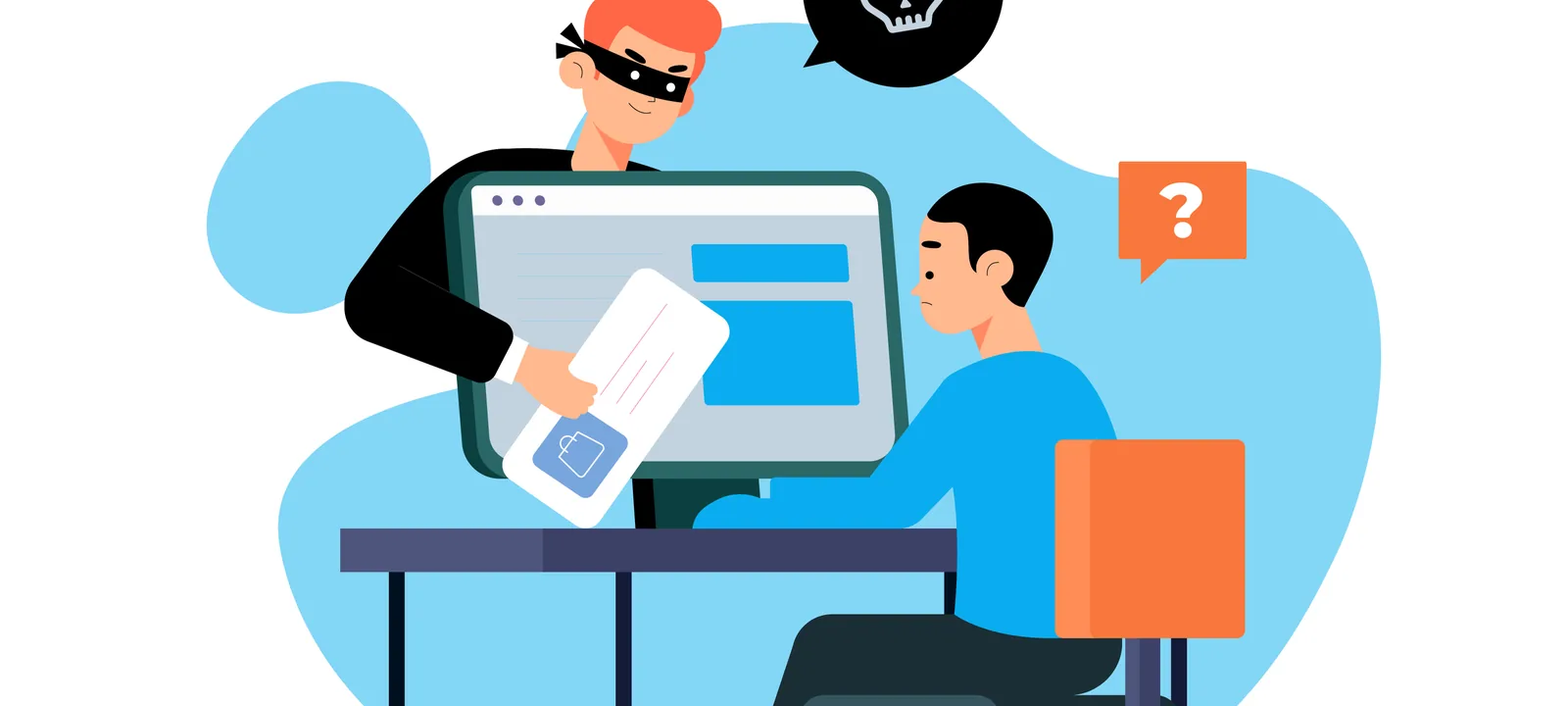
Quick answer: What was Methbot?
Methbot was a Russian-operated ad fraud botnet exposed in 2016 that faked premium video ad views on fabricated websites. It spoofed millions of residential IPs and generated up to 300 million fake impressions daily, stealing an estimated $180 million from advertisers before investigators shut it down.
Did you know that a single ad fraud scheme stole over $180 million before being exposed? Methbot was one of the most sophisticated ad fraud schemes, stealing over $180 million through fake video ad impressions (FBI 2018). Powered by a Russian botnet, it manipulated digital advertising systems to generate fraudulent traffic, costing advertisers over $3 million daily. How did Methbot operate, and what can businesses do to prevent similar ad fraud? This guide explains and offers key strategies for preventing ad fraud.
Methbot: What it was and how it operated
Methbot functioned by creating a network of fake websites that imitated premium publishers. The botnet used:
- Fake IP addresses to simulate real users.
- Automated browsers to ‘watch’ video ads.
- Fake clicks and engagement to appear legitimate to advertisers.
- A massive bot army to generate up to 300 million ad impressions daily.
- IP spoofing techniques mask the trustworthy traffic source, making detection more challenging.
- Automated bots mimic real users by generating clicks, mouse movements, and video engagement to evade detection.
- Advanced AI-driven behavior that made fraudulent traffic indistinguishable from real users, increasing ad fraud success rates.
Operational tactics
The operators of Methbot used multiple sophisticated methods to carry out their invalid activities successfully. Some of these include:
- Domain spoofing allowed them to construct false websites that imitated ESPN, Vogue, and The New York Times. Ad networks accidentally placed high-value ads on these deceptive sites.
- Bot traffic generation: The operation used 570,000 bots, generating artificial user activity to watch as many as 300 million video ads daily. The bots performed fake mouse movements and clicks together with automated social media logins to avoid detection.
- IP address manipulation: Investment in manipulated IP registrations allowed the criminals to transform their web traffic into residential patterns that bring more value to advertisers.
The impact of Methbot on digital advertising
Methbot’s fraudulent activities resulted in:
Financial impact:
- Advertisers lost revenue due to fake impressions.
- Brands unknowingly paid for bot-driven engagement, distorting marketing analytics and ROI.
- Fraudulent ad spending reached $3 million to $5 million daily, with total losses from Methbot estimated at $180 million.
Trust and security concerns:
- Widespread fraud decreased trust in programmatic advertising.
- Businesses and stakeholders lost confidence in digital advertising.
- Ad networks and publishers faced higher security and compliance costs.
Industry response:
- Major companies strengthened fraud prevention measures and improved transparency.
- Advertisers and networks intensified traffic verification efforts.
- The industry invested in advanced fraud detection tools using machine learning and behavioral analytics.
- The FBI and White Ops collaborated with law enforcement to dismantle the Methbot infrastructure.
The historical overview of Methbot
Methbot emerged as an operation that cybersecurity firm White Ops discovered in 2015. The operation grew significantly through Russian sources in 2016 without receiving state backing. The criminal network created a significant infrastructure across Europe and North America using data centers instead of conventional malware-infected devices. This setup included:
571,904 Dedicated IP Addresses: A total of 571904 Dedicated IP Addresses used false registrations with primary U.S. Internet Service Providers to enhance the legitimacy of invalid traffic.
6,000 Domains and 250,267 Distinct URLs: The operators controlled 6,000 domains, which served 250,267 distinct URLs,. These invalid websites used deceptive tactics to fool online ad selection systems.
800 to 1,200 Dedicated Servers: The operation used between 800 and 1,200 dedicated Servers in data centers throughout the U.S. and the Netherlands.
How to detect and mitigate Methbot with ClickPatrol
Detection of Methbot using ClickPatrol can be carried out through the following:
1. Detection techniques
- Utilizes sophisticated machine learning to analyze traffic behavior and identify abnormal patterns, such as multiple clicks from single sources and unusual activity spikes that suggest bot activity.
- Monitors IP addresses to detect and block proxy bots attempting to hide behind different IPs.
- Evaluates user interaction patterns to distinguish automated bot activity from genuine human behavior.
2. Mitigation strategies
- Features real-time and advanced blocking capabilities to prevent suspicious activities while counting only valid human interactions immediately.
- Collaborates with external organizations and law enforcement to dismantle bot networks, mirroring efforts that disrupted Methbot.
- Generates comprehensive analytical reports on user click behavior, offering valuable insights to develop more effective fraud countermeasures.
- Helps protect advertising budgets, enhance campaign performance, and improve ROI and trust in the digital advertising environment.
How advertisers can protect themselves from future ad fraud schemes
Ad fraud continues to evolve, with new botnets and fraudulent tactics emerging. To stay ahead:
- Educate teams on fraud risks and how to identify suspicious patterns.
- Work with cybersecurity firms to audit and protect ad campaigns.
- Invest in blockchain-based ad verification for increased transparency.
Timeline of Methbot’s rise and fall
The years and key events include:
- 2015: Methbot operation begins, targeting digital ad platforms.
- 2016: Security researchers detect large-scale fake traffic.
- 2017: FBI investigation leads to legal action against Methbot’s creators.
- 2018: Advertisers implement stronger fraud detection measures.
Protecting your business from ad fraud advancement
The operation of Methbot shows how digital ad platforms continue to be vulnerable to threats and the necessity for strong digital security solutions in the current era. Although ad fraud prevention has made remarkable advancements, company-wide attempts to prevent and detect fraud will continue in the future. Methbot was a wake-up call for the digital advertising industry, highlighting the vulnerabilities of programmatic advertising. By using fraud detection tools, traffic monitoring, and secure ad networks, businesses can reduce their exposure to fraudulent activities and safeguard their advertising budgets. Protect your ad budget from modern ad fraud threats and explore top fraud detection tools today!
FAQs
Methbot’s fallout hit money, trust, and industry process—the impacts below still shape how buyers verify inventory.
Q.1 What protocols exist to stop new scenarios of ad fraud operations from occurring?
The marketing industry now offers improved traffic verification protocols and new fraud detection solutions to promote transparent advertising environments. The industry and law enforcement coordinate active measures to fight these types of schemes.
Q. 2 What tools can advertisers use to detect large-scale ad fraud?
Advertisers can leverage tools like HUMAN Security, ClickGuard, and IAS to monitor traffic patterns and filter out fraudulent impressions.
Q. 3 Is ad fraud still as big of a problem today as Methbot was?
Yes, ad fraud continues to evolve, with new schemes emerging, such as bot farms and domain spoofing, that exploit advertising loopholes.
Q. 4 How does malware function within the Methbot operation?
Methbot uses malware to penetrate computers, building a botnet network that functions through remote commands.
Frequently Asked Questions
How much money did Methbot steal from advertisers?
How many fake impressions did Methbot generate daily?
Methbot used about 570,000 bots to generate up to 300 million fake video ad impressions per day. The botnet ran automated browsers that simulated video views, mouse movements, and clicks on fabricated websites. Operators controlled 6,000 domains serving 250,267 distinct URLs designed to mimic premium publishers like ESPN and Vogue.
When was Methbot first discovered?
Cybersecurity firm White Ops discovered Methbot in 2015, and the operation scaled significantly through Russian sources in 2016. Security researchers detected large-scale fake traffic that year, and FBI investigation led to legal action against Methbot creators in 2017. Advertisers strengthened fraud detection measures across the industry by 2018.
How did Methbot fake premium publisher traffic?
Methbot used domain spoofing to build fake websites that imitated premium publishers such as ESPN, Vogue, and The New York Times. Ad networks then placed high-value video ads on those deceptive sites. The botnet invested in 571,904 dedicated IP addresses with falsified US ISP registrations to make residential traffic patterns appear legitimate.
Can modern tools detect Methbot-style fraud today?
Modern fraud detection uses machine learning to analyze traffic behavior, monitor IP addresses for proxy patterns, and evaluate user interaction signals that distinguish bots from humans. ClickPatrol analyzes click-level traffic with advanced blocking and reporting, though Methbot specifically targeted programmatic video impressions rather than paid search clicks.

Written & reviewed by
Abisola Tanzako
Content Manager, ClickPatrol (click fraud & invalid-traffic specialist)
Abisola covers bot traffic, ad fraud and PPC protection, drawing on ClickPatrol platform data from 1,793+ businesses.
Last updated: 6 October 2026