-
Solutions
-
 Click Fraud Protection
Block invalid clicks across every ad channel.
-
 Smart Bidding Protection
Feed Google clean, human-only signals.
-
 Clean Remarketing Audiences
Exclude suspicious traffic from your lists.
-
 All Features
Every ClickPatrol feature in one place.
-
 E-commerce & Retail
Protect shopping campaigns and product feeds.
-
 Service Providers
Stop wasted spend on local & lead-gen ads.
-
 Marketing Agencies
Classify, protect and train every client account.
-
 All Industries
Browse click fraud protection by industry.
-
 Small Business
Affordable protection that pays for itself.
-
 Enterprises
Scale protection across brands & accounts.
-
 Regional Companies
Keep local budgets on real, nearby buyers.
-
 Multinationals
Consistent protection across every market.
-
-
Agencies
-
For Agencies
Classify, protect and train every client account.
-
 Partner Program
Earn 15 to 25% recurring commission on linked clients.
-
 Case Studies
21 UK agencies unlocked over 6% media savings.
-
-
Resources
-
What is Click Fraud?
Learn what fake PPC clicks are and why they matter.
-
 Bot Traffic
Detect and block non-human clicks.
-
 Competitor Fraud
Stop rivals draining your budget.
-
 Sophisticated Fraud
Catch SIVT that native filters miss.
-
 Click Farms
Stop coordinated low-quality click operations.
-
 Invalid Traffic
Block every click that never converts.
-
 Help docs
How to connect Google Ads, GTM and other ad channels.
-
 FAQ
FAQ
Answers to the most common questions.
-
 Blog
Blog
Articles and guides from our expert team.
-
 Comparisons
ClickPatrol vs ClickCease and other tools.
-
 Tools
Tools
Free tools by ClickPatrol & Friends.
-
 About ClickPatrol™
Who we are and our mission.
-
Case Studies
Why agencies and businesses use ClickPatrol.
-
 Customer Reviews
Reviews and success stories from customers.
-
Partner Program
Join our affiliate & partner program.
-
 Contact us
Talk to our team about your ad traffic.
-
- Pricing
Facebook click farm fraud: How to detect and stop click fraud in 2026
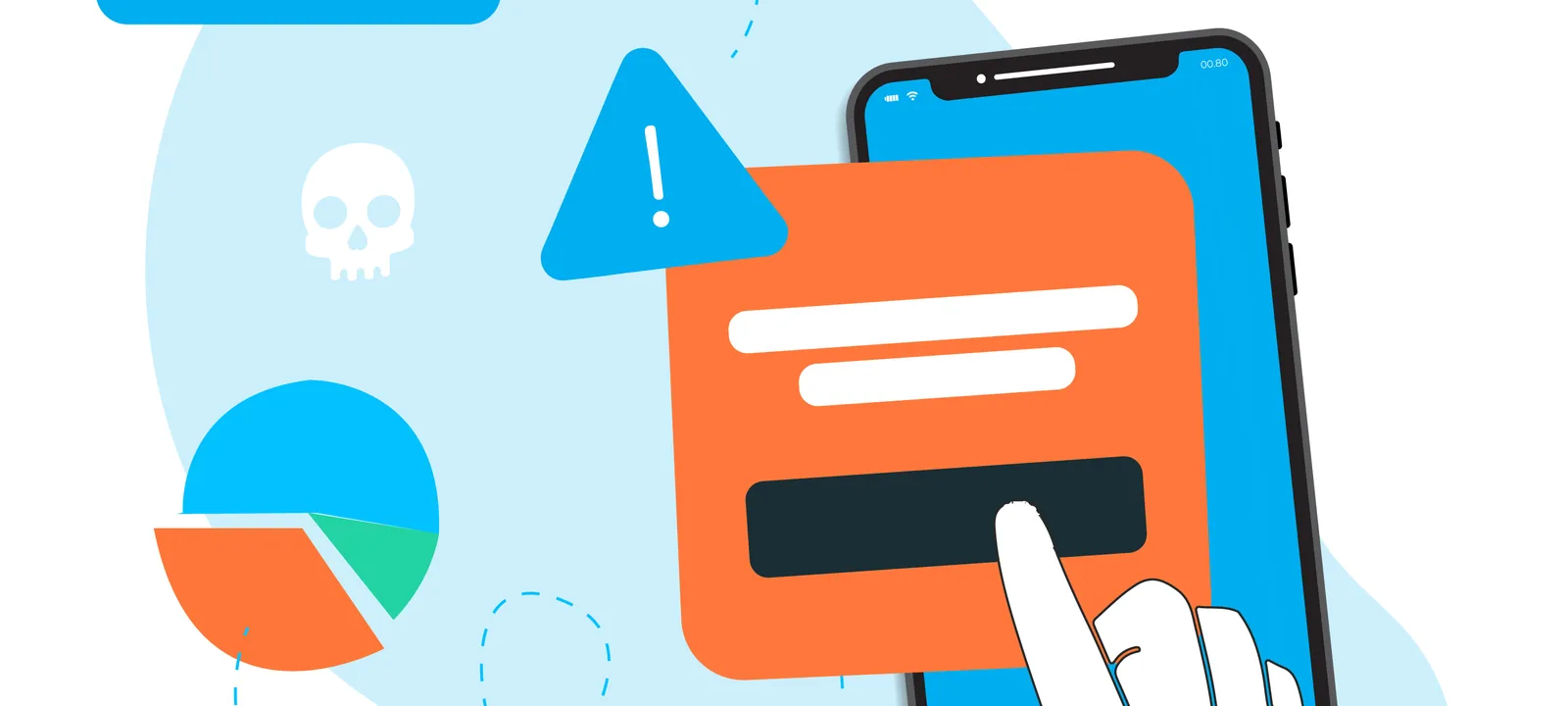
Digital ad fraud costs businesses $172 billion globally (Statista, 2024). Facebook (now Meta) gives businesses access to 3.07 billion users, but it is also a hotspot for click farm fraud.
These networks of low-paid workers or bots generate fake likes, comments, and ad clicks, draining budgets, skewing data, and hurting brand trust. With digital ad fraud expected to reach $172 billion by 2028, identifying and preventing fake engagement is crucial.
This article explains how Facebook click farms operate, how to identify them, and how to safeguard your campaigns.
Understanding click farms: The hidden threat to Facebook Ads
Facebook click farms are typically sites in low-wage countries that employ individuals to click on links, such as posts, visit pages, or like content, pretending to be genuine users.
Unlike botnets, which use automation, click farms usually involve real human beings to execute actions and, therefore, become more challenging to block using simple anti-spam tools.
Such operations are frequently carried out under sweatshop conditions, where rows of phones or computers continually interact with social content on social networks.
Their goal is to manipulate engagement metrics and artificially inflate perceived popularity.
Key characteristics of a click farm:
- Use of real people or advanced bots
- Low-cost labor in developing countries
- Hundreds to thousands of fake accounts
- Focused on social media engagement: likes, follows, shares, comments
- Sell fake engagement as a service to boost social proof
How click farms affect Facebook advertising
Facebook uses engagement metrics to determine what content to display in people's newsfeeds and which ads are most effective.
Companies assume that receiving more likes or clicks means they are doing better.
Click farms capitalize on this mentality with services that promise to "boost" engagement.
Impact on advertisers:
a) Wasted Ad spend:
Even if a bot account clicks on your ad, you still pay for that click.
It skews your cost-per-click (CPC) metric and eats up your budget.
b) Distorted analytics:
Fake engagement makes your Facebook Ads Manager reports unreliable.
You cannot trust click-through rates, audience activity, or conversion rates.
c) Decreased Ad efficiency:
Facebook's algorithm optimizes ads based on performance.
If optimization is based on fake engagement, Facebook might show your ads to irrelevant or fake users.
d) Damaged reputation:
If audiences discover that your page contains a high percentage of fake followers or fake engagement, your brand's reputation is damaged.
How click farms operate
Click farms do not create new fake accounts.
They typically buy existing Facebook accounts to appear more genuine.
These accounts subsequently "like" pages, click on ads, or leave generic comments.
Click farm activities typically include:
- Mass liking Facebook pages
- Following business accounts
- Clicking Facebook ads (mostly CPC-based)
- Leaving generic or unrelated comments to appear active
- Installing apps or signing up for offers to pretend as conversions
Real-world examples of click farm abuse
Facebook removed over 583 million fake accounts linked to click farm companies that sold likes, shares, and comments to enhance online popularity in 2018.
One of the most significant instances was in Mumbai, India, where the operators were offering 1,000 Facebook engagements for $10.
These fake interactions were bought by companies, influencers, and political parties to appear more influential.
The inflated figures misled advertisers, wasted advertising budgets on fake users, and harmed Facebook's reputation.
As such, the company ramped up its detection and removal processes to uphold platform integrity.
Click farms continue to be a challenge to social media transparency and trust.
How to detect click farm activity
Recognizing click-farm behaviour early can save your campaign and marketing budget.
The following are key warning signs to track:
Sudden spikes in activity:
When a sudden, out-of-pattern spike in likes, clicks, or follows is detected specifically from unknown geographies, investigate further.
Inflated-quality engagement:
Off-topic or generic comments (e.g., "Good post!" or "Nice!") are typically a sign of clickfarm activity.
Low conversion rates:
If you have incredibly high click-throughs but absolutely no conversions, it's likely that those clicks are not from genuine customers.
Irrelevant geographic traffic:
If your audience is in the U.S., but you are receiving clicks and likes mainly from countries such as Bangladesh, India, or the Philippines (standard bases for click farms), that is a concerning indication.
Unusual demographics:
Anomalies in age, gender, or device type (e.g., millions of clicks from Android 6.0 within a short period) may indicate non-authentic activity.
Suspiciously low engagement levels over time:
A significant page with limited post reach or engagement indicates that your following is not being engaged.
How to protect your Facebook Ads from click farms
Preventing Facebook click farm fraud requires careful targeting, ongoing vigilance, and meticulous campaign development.
To safeguard your campaigns, here is how to do it:
1. Strengthen audience targeting: Broad targeting usually invites fraud.
Narrow your audience with:
- Geographic filters (e.g., U.S.-only)
- Demographic criteria (e.g., interests, age)
- Custom audiences (e.g., e-mail-list uploads)
- Lookalike audiences built from real customers
2. Use conversion-based campaign objectives:
Rather than optimizing for engagement or clicks, use Facebook's "Conversions" objective, which will train the algorithm to recognize users who are most likely to perform valuable actions like purchases or signups.
3. Exclude historical fraud locations: Review your performance report and exclude high-historical-fraud locations (e.g., nations that are well-documented to have clickfarms).
In Facebook Ads Manager:
- Navigate to "Locations" at the Ad Set level
- Choose "People living in this location."
- Remove suspect cities or countries manually.
4. Utilize Facebook pixel: Install and configure Facebook Pixel correctly to track genuine on-site activity.
This helps to:
- Optimize for additional funnel conversions
- Track actual ROI
- Detect suspicious activity
5. Audit your Facebook page likes and followers: Facebook allows you to view who liked your page.
If you notice odd accounts with bogus profiles, you can remove them manually.
6. Utilize click and engagement filters: Frequently check:
- Devices used
- Click timestamps
- User flow after click
d) Tools such as Google Analytics, Hotjar, or Facebook Attribution reports can also be utilized.
7. Report suspected fraud: If you suspect there is fraud going on, report it to Facebook:
- Go to the Ad Manager
- Select the campaign
- Click "Report a Problem" and describe the problem
Tools to detect Facebook click farm activity in real-time
The tools to detect Facebook click farm activity in real-time include:
1. ClickCease:
- Blocks repeated/suspicious clicks automatically.
- Works with Google & Meta Ads.
2. CHEQ Essentials:
- Spot non-human behaviour and geo-fence suspicious regions.
- Sends real-time fraud alerts.
3. Oracle Moat Analytics:
- Detects invalid traffic with behavioural signals.
- Ideal for programmatic & display ads.
4. AppsFlyer Protect360:
- Focused on mobile ad fraud.
- Stops click flooding & install hijacking.
5. Human (White Ops):
- Enterprise-level bot & clickfarm detection.
- Uses behavioral fingerprinting to spot coordinated fraud.
6. ClickPatrol: It detects clickfarm activity. It uses:
- Behavioural analysis & machine learning to spot unnatural click patterns.
- IP blacklisting and geo-filtering to block suspicious IP addresses and regions.
- Device fingerprinting to catch repeat offenders, even with changing IP addresses.
- Real-time monitoring and alerts to stop coordinated fraud instantly.
What is Facebook doing to combat click farms?
Some of the measures involve:
AI-powered detection algorithms:
Facebook utilizes machine learning to identify patterns of suspicious behaviour, including unusual likes, repeated IP addresses, and sudden spikes in engagement.
Mass deletion of fake accounts:
Meta removes billions of fake accounts yearly, with over 3.4 billion in the last six months.
Dedicated Ad integrity teams:
Specialized teams are dedicated to detecting, investigating, and taking down fraudulent ad activity.
Transparency tools:
Tools, including the Ad Library, Page Insights, and Business Suite features, enable advertisers to monitor performance and detect suspicious activity.
Take back control of your Facebook Ad spend
Facebook click farm fraud poses a significant and growing threat to Facebook advertisers, draining budgets, distorting performance metrics, and damaging their brand reputation.
Despite Meta's continued investments in AI-driven tools, fake account purges, and transparency initiatives, click farms continue to evolve, necessitating proactive vigilance from advertisers.
By leveraging intelligent targeting, detailed analytics, and pixel tracking, businesses can minimize their exposure to risks.
Protect your campaigns today with ClickPatrol, start your free trial today.
FAQs
Click farms on Meta leave the engagement fingerprints below—spikes, empty interactions, and conversions that never arrive.
Q. 1 What is a Facebook click farm?
A Facebook click farm is a set of fake or underpaid accounts that engage with Facebook ads and pages to simulate actual user behaviour, typically for financial gain.
Q. 2 How do I know that my Facebook ads are being hit with a click farm?
Low conversions, an excessive bounce rate, irrelevant geographic traffic, and poor-quality engagement (such as likes without comments or generic replies) are signs of a click farm.
Q. 3 Does Facebook detect click farm activity?
Facebook utilizes AI and behavioural patterns to detect Facebook click farm activity; however, click-farm activity is not always prevented.
That is why advertisers need additional protection.

Written & reviewed by
Abisola Tanzako
Content Manager, ClickPatrol (click fraud & invalid-traffic specialist)
Abisola covers bot traffic, ad fraud and PPC protection, drawing on ClickPatrol platform data from 1,793+ businesses.
Last updated: 6 October 2026