Strong Lunio alternatives include ClickPatrol at €59 a month billed annually for four protection modules, ClickCease at $99, the category's most familiar name, and ClickGuard at $74 (billed annually; $89 monthly) for per-campaign rules. TrafficGuard covers mobile install fraud from $49 a month, and Fraud Blocker starts at $79 for smaller Google Ads budgets. All five publish their pricing, which is the main thing Lunio does not.
-
Solutions
-
 Click Fraud Protection
Block invalid clicks across every ad channel.
-
 Smart Bidding Protection
Feed Google clean, human-only signals.
-
 Clean Remarketing Audiences
Exclude suspicious traffic from your lists.
-
 All Features
Every ClickPatrol feature in one place.
-
 E-commerce & Retail
Protect shopping campaigns and product feeds.
-
 Service Providers
Stop wasted spend on local & lead-gen ads.
-
 Marketing Agencies
Classify, protect and train every client account.
-
 All Industries
Browse click fraud protection by industry.
-
 Small Business
Affordable protection that pays for itself.
-
 Enterprises
Scale protection across brands & accounts.
-
 Regional Companies
Keep local budgets on real, nearby buyers.
-
 Multinationals
Consistent protection across every market.
-
-
Agencies
-
For Agencies
Classify, protect and train every client account.
-
 Partner Program
Earn 15 to 25% recurring commission on linked clients.
-
 Case Studies
21 UK agencies unlocked over 6% media savings.
-
-
Resources
-
What is Click Fraud?
Learn what fake PPC clicks are and why they matter.
-
 Bot Traffic
Detect and block non-human clicks.
-
 Competitor Fraud
Stop rivals draining your budget.
-
 Sophisticated Fraud
Catch SIVT that native filters miss.
-
 Click Farms
Stop coordinated low-quality click operations.
-
 Invalid Traffic
Block every click that never converts.
-
 Help docs
How to connect Google Ads, GTM and other ad channels.
-
 FAQ
FAQ
Answers to the most common questions.
-
 Blog
Blog
Articles and guides from our expert team.
-
 Comparisons
ClickPatrol vs ClickCease and other tools.
-
 Tools
Tools
Free tools by ClickPatrol & Friends.
-
 About ClickPatrol™
Who we are and our mission.
-
Case Studies
Why agencies and businesses use ClickPatrol.
-
 Customer Reviews
Reviews and success stories from customers.
-
Partner Program
Join our affiliate & partner program.
-
 Contact us
Talk to our team about your ad traffic.
-
- Pricing
Lunio Review 2026: Pricing, Features, and the 7 Best Alternatives
Last updated: August 2026. Prices, ratings and platform coverage below were read from each vendor’s own site, G2, Capterra or Trustpilot between 10 and 24 August 2026, and link to that source.
TL;DR: What are the best Lunio alternatives?
ClickPatrol is the best Lunio alternative in 2026 for most advertisers: four protection modules from €59/mo billed annually. Also shortlist ClickCease ($99/mo, the category’s most familiar name) and ClickGuard ($74/mo billed annually; $89/mo monthly, per-campaign rules). TrafficGuard covers mobile app fraud from $49/mo. Fraud Blocker starts at $79/mo. The shared reason people leave Lunio is simpler: every tool here publishes a price and Lunio does not.
What is Lunio? (Short review)
Lunio is a UK-based invalid traffic platform, formerly PPC Protect, whose old domain now redirects to lunio.ai. Its machine learning engine scores every click as legitimate, suspicious or invalid using click, context and conversion signals, then blocks the sources behind the invalid ones. Detection is cookieless and the vendor states it is GDPR and CCPA compliant.
What sets it apart is breadth of channels rather than a headline detection figure. Lunio names Google, Meta, Microsoft Ads (Bing), X, LinkedIn, Reddit, TikTok, Yandex and Naver, plus “many more”, and groups its coverage as paid search, paid social, display and Performance Max. It publishes no platform count, so the “13+ platforms” figure that circulates in comparisons is not something you can check. It also publishes no price.
Where does Lunio excel?
- Widest named channel list in this category. Google, Meta, Microsoft Ads, X, LinkedIn, Reddit and TikTok, and it is the only tool here that names Yandex and Naver. If your media plan reaches past the usual three platforms, that matters more than any detection statistic.
- Cross-channel exclusion. An invalid IP found in one campaign or platform is excluded across the others automatically, so protection compounds rather than being rebuilt per channel.
- It uses the right blocking method per platform. On Google Ads, invalid IPs go into campaign and account-level exclusion lists in real time. On Meta, where IP blocking is not available, Lunio builds and updates custom audiences of invalid users instead. Both run automatically once connected, which is the honest way to read its Bing and Meta coverage.
- Performance Max is treated as its own channel. Lunio lists Performance Max alongside paid search, paid social and display, which matters because PMax gives you the least visibility into where clicks come from.
- Two years of first-party click data. Every click from every channel is retained for two years, the longest window of any tool here. Spider AF keeps two months and ClickGuard six on its Pro plan.
- Built for multiple accounts. Separate workspaces with multi-account management and reporting, plus split admin and user controls, which suits agencies and multi-brand advertisers.
- It publishes category research. Lunio’s annual State of Click Fraud Report is useful reading whether or not you buy. Its own homepage puts invalid traffic at 8.5% of ad clicks in one place and “over 10%” in another, so treat either number as the vendor’s estimate rather than a settled figure.
Where does Lunio fall short?
- No published price of any kind. The pricing page is a contact form. No tiers are named, no starting figure is given, and nothing can be compared until you have had a sales conversation. Every other tool on this page except CHEQ tells you what it costs.
- Cost is tied to your ad spend, not your fraud. Lunio prices as “a small fraction of your ad spend”, adjusted for your channels. So the bill grows as your budget grows, even in a year when your invalid traffic falls. Click-metered tools behave the opposite way.
- The 14-day offer is an audit, not a trial. It gives you the analytics to quantify your invalid traffic, and it is booked through a demo. The page gives no indication that blocking runs during it, so you are measuring the problem rather than testing the product.
- No published detection depth. Lunio names no per-click data-point count, where ClickPatrol publishes 800+ and ClickCease 2,000+ behavioural tests. That is not evidence of weaker detection, but it is one less thing you can check before signing.
- You cannot size it yourself. With no tiers, no allowances and no published spend bands, working out whether Lunio fits a €5,000 month or a €150,000 month means asking. For a small advertiser that is friction before the first euro is spent.
Why do people look for a Lunio alternative?
Almost every reason comes back to one thing: you cannot evaluate Lunio without talking to Lunio. The price is a quote, the tiers do not exist, the platform count is unpublished, and the trial is an audit. None of that makes the product weak, and the channel breadth is genuinely the widest here. It does mean a smaller advertiser has to commit time before learning whether the tool is even in range.
The second reason is the pricing model. Spend-based billing suits an account where fraud scales with budget. It suits you less if you have already cleaned up your traffic and your budget keeps climbing, because the invoice follows the budget. Six of the seven tools below publish what they charge, and five of them meter clicks or sessions rather than spend.
The 7 best Lunio alternatives compared
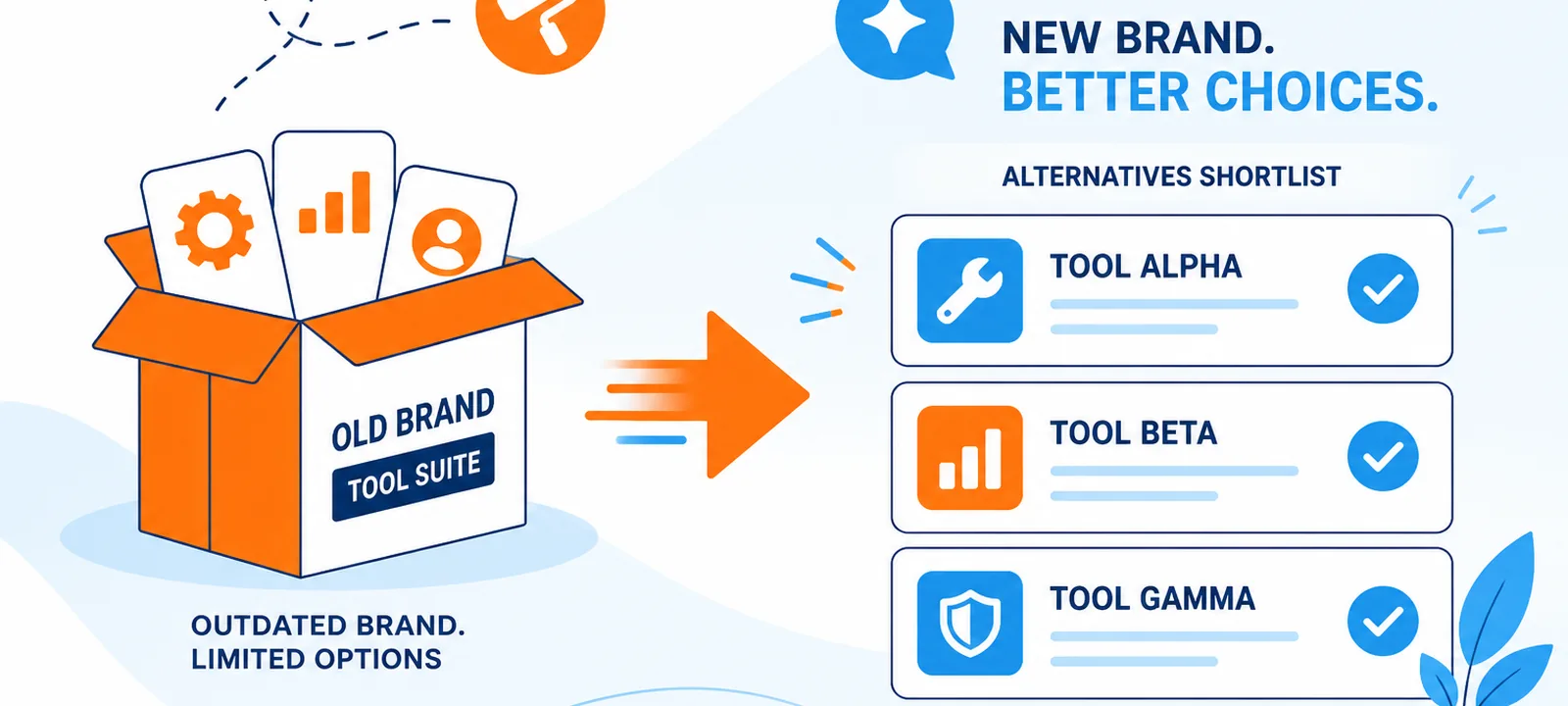
Below are seven Lunio alternatives ranked by fit for different budgets, platforms, and protection needs. Start with the shortlist that matches your ad spend and channels, then compare detection depth and pricing side by side.
ClickPatrol: Best for GDPR-compliant, multi-layer protection
Best for: European advertisers, agencies, and e-commerce teams who need GDPR-native click fraud protection with transparent pricing.
ClickPatrol is a Netherlands-based click fraud protection tool that analyzes 800+ data points per click with 99.97% bot detection accuracy. Where Lunio automates blocking and reports back on it, ClickPatrol splits the job into four modules: AdProtector for click blocking, AudienceProtector for remarketing lists, DataProtector for conversion signals and FormProtector for spam form fills. It also publishes what each tier costs.
Key features:
- 800+ data points analyzed per click
- 99.97% bot detection accuracy
- AdProtector (real-time click blocking)
- AudienceProtector (filters bots from remarketing audiences)
- DataProtector (keeps conversion data clean for bidding algorithms)
- FormProtector (blocks fake form submissions and spam sign-ups, keeping junk leads out of your CRM)
- VPN, proxy, and data center detection
- Device fingerprinting and behavioral biometrics
Supported platforms: Google Ads, META (Facebook & Instagram), Microsoft Advertising (Bing), DV360 and social platforms
Pricing:
| Plan | Price | Clicks/month |
|---|---|---|
| Traffic Insights (Free Trial) | Free for 7 days | 5,000 to test (monitoring only) |
| Traffic Security Starter | €59/month (annual) | 5,000 |
| Traffic Security PRO | From €69/month (annual) | Up to 75,000 |
| Agency / Brand | On request | Unlimited |
Starter and PRO list prices are billed annually, with a monthly toggle on the pricing page. No setup costs and no lock-in. The 7-day trial needs a card for verification, charged €0.01 and refunded.
What we see in our own data:
Across 1,793+ businesses in Europe, Africa and the US, the most common pattern is not an exotic botnet. It is repeat clicking from a handful of IP ranges inside one campaign, often competitors clicking rather than bots, which is why the first week of blocking usually shows a bigger drop than the months after it.
Pros:
- Published, transparent pricing (from €59/mo vs. Lunio’s hidden pricing)
- Four-module protection covering ads, audiences, data, and forms
- EU-built and GDPR/CCPA/POPI Act compliant by design
- Google-certified click tracker
- Sub-minute setup, no developer needed
- 7-day free trial (monitoring only)
Cons:
- Smaller brand presence compared to ClickCease or Lunio
- Usage-based pricing can increase during high-traffic promotional periods
- Reporting customization for complex agency setups still maturing
- Limited to Dutch and English language support
Ratings: G2 4.9/5 from 69 reviews, Capterra 5.0/5 from 18, SourceForge 5.0/5 from 51, read 14 August 2026
Ideal use case: A mid-size e-commerce advertiser spending EUR 5,000 to 25,000/month on Google Ads and Meta in a competitive niche (legal, insurance, SaaS), dealing with rising CPAs and suspected competitor clicks, who needs fast setup with no developer resources and wants GDPR-proof protection from day one.
Recommendation: ClickPatrol is a strong choice for European advertisers who want transparent pricing and protection that goes beyond click blocking (audiences, data, forms). The four-module approach is unique at this price point. However, if you advertise heavily on platforms beyond Google and Meta (TikTok, LinkedIn, etc.), Lunio’s broader platform coverage may be a better fit.
ClickCease (CHEQ Essentials): The most established name in SMB click fraud
Best for: Marketers looking for the category’s biggest review base, public pricing for every tier and unlimited Google Ads accounts with every plan.
ClickCease is the SMB tier of cybersecurity company CHEQ, and the best-known name in this category. CHEQ claims over 2,000,000 protected campaigns and says the engine runs 2,000+ behavioural tests per click in real time. Where Lunio hides its pricing, ClickCease publishes every tier. A note for readers of older comparisons, including the previous version of this page: AdSpy competitor monitoring and session recordings used to feature in the ClickCease pitch. As of 24 August 2026, neither appears on the ClickCease homepage or pricing page, so this page no longer includes either feature.
Key features:
- 2,000+ behavioural tests per click, in the vendor’s own words
- Automatic exclusion of fraudulent IPs on Google Ads, with unlimited Google Ads accounts on every plan
- Pixel Guard Connector (prevents pixels firing on invalid users)
- Lead Shield for HubSpot
- Consent Mode compatibility
- WordPress bot mitigation
Supported platforms: Google Ads, META (Facebook & Instagram), Microsoft Ads
Pricing:
| Plan | Price (monthly billing, per month; annual: $84 / $127 / $297) | Protected visits | Websites |
|---|---|---|---|
| Starter | $99/mo | 5,000 | 1 |
| Pro | $149/mo | 40,000 | Up to 10 |
| Advanced | $349/mo | 80,000 | Up to 20 |
| Enterprise (CHEQ) | Custom | Custom | Unlimited |
7-day free trial included on all plans.
Two things on that pricing table are worth knowing before you compare it with a Lunio quote. A 30% promo is shown on ClickCease’s page but covers the first three months on Pro and Advanced only. And the allowance counts any activity CHEQ detects or blocks, internal page views included, so a site with heavy organic traffic uses it up faster than its ad-click count suggests. On the same page the plan cards and the comparison table disagree about the website and traffic limits on Pro and Advanced, so get the numbers in writing.
Pros:
- Best-known name in SMB click fraud, with over 2,000,000 protected campaigns claimed
- No other tool on this page has as many Trustpilot reviews: 522
- Lead Shield for HubSpot and Pixel Guard carry protection beyond the initial click
- Agency permissions and white-label reporting from the Pro tier upwards
Cons:
- Monthly and annual rates differ (Starter $99/mo monthly, $84/mo billed annually)
- The traffic allowance counts internal page views, not just ad clicks
- The 30% promo applies to Pro and Advanced for the first three months only
- More expensive than ClickPatrol at every tier
Ratings: Trustpilot 4.3/5 from 522 reviews, G2 4.6/5 from 113, Capterra 4.7/5 from 223, read 14 August 2026. That Trustpilot sample is the largest of any tool on this page
Ideal use case: A digital marketing agency handling 5 to 15 Google Ads client accounts that values unlimited Google Ads accounts on every plan, white-label reporting from Pro upwards and enough public reviews to satisfy a client’s procurement check.
Recommendation: For an established, lower-risk choice, pick ClickCease: no other tool here has more reviews, every tier has a published price, and coverage spans Google, Meta and Microsoft. Study the pricing page before buying. Its listed rates are monthly (Starter $84/mo billed annually), the 30% promo covers Pro and Advanced for three months only, and the allowance includes more than ad clicks.
ClickGuard: Best for advanced customization and granular control
Best for: Data-driven PPC managers and agencies who want maximum control over blocking rules, thresholds, and fraud forensics.
ClickGuard is the opposite trade to Lunio. Lunio automates and asks you to trust it; ClickGuard hands you the rules. It builds the product around four pillars it calls Traffic Enhancement, Threat Analytics, Click Forensics and Tracking & Validation, and it lets you set click-frequency and validation rules per campaign rather than accepting one global threshold. The vendor advertises 99.8% detection accuracy and 9 million clicks analysed a month, both its own figures rather than audited ones.
Key features:
- Custom click-frequency and validation rules, plus manual exclusions
- Four pillars: Traffic Enhancement, Threat Analytics, Click Forensics, Tracking & Validation
- Campaign-level rule customization (click thresholds, frequency caps, device types, geo-restrictions)
- Cross-campaign IP blocking
- Unlimited clicks with no overage charges
- Transparent click forensics with full visitor data
Supported platforms: Google Ads (all campaign types including PMax), Microsoft Ads, META (Facebook & Instagram)
Pricing:
| Plan | Monthly | Websites | Ad Spend Cap |
|---|---|---|---|
| Lite | $74/mo (billed annually; $89/mo monthly) | 1 | Up to $5K |
| Standard | $119/mo (billed annually; $149/mo monthly) | 3 | Up to $50K |
| Pro | $159/mo (billed annually; $199/mo monthly) | Unlimited | Up to $100K |
| Custom | Contact sales | Unlimited | Unlimited |
Billing runs monthly, quarterly (10% off) or yearly (20% off), in USD, EUR or GBP, with no long-term contract. A free trial is offered and personalised onboarding is included on every plan, though the pricing page does not state how long the trial runs. Note that Lite protects one platform out of Meta, Microsoft or Google; all three together start at Standard.
Pros:
- Deepest rule-level customisation of the seven tools here
- Unlimited clicks on all plans (no overage fees)
- Full transparency into every blocked click (forensic data)
- Strong agency features with multi-domain support
- Monthly, quarterly or yearly billing in three currencies, with no long-term contract
Cons:
- Steeper learning curve than an automation-first tool like Lunio, though onboarding is included on every plan
- No mobile app
- No phone support
- Short data retention on lower tiers (1–2 months)
- Price scales with ad spend, so the $74 (billed annually; $89 monthly) entry figure understates the cost of a larger account
Ratings: G2 4.7/5 from 30 reviews, Capterra 4.8/5 from 155, Trustpilot 4.0/5 from 182, read 14 August 2026. Trustpilot is a full point below the other two, which is worth weighing given it has the biggest sample
Ideal use case: A data-savvy PPC manager at an agency handling $50K to $100K/month in ad spend across multiple clients, who wants to set custom blocking rules per campaign and needs forensic-level visibility into every blocked click for client reporting.
Recommendation: ClickGuard is the best option for teams that want to own their detection settings. Per-campaign rules plus forensic data on every blocked click is more control than anything else here offers, Lunio very much included. That control is also work, so if hands-off is the point, ClickPatrol or Lunio are the simpler paths.
TrafficGuard: Best for mobile fraud detection and APAC markets
Best for: App marketers, performance agencies with mobile campaigns, and advertisers operating primarily in the Asia-Pacific region.
TrafficGuard is an ASX-listed Australian company. Its distinctive strength is mobile fraud detection, using mobile measurement partner (MMP) integrations across each stage: the click, install verification and post-attribution validation. Lunio does not cover this at all, and neither does anything else on this page. The catch is in the packaging: mobile is a separate enterprise product rather than part of the entry plan.
Key features:
- Mobile fraud prevention across the full funnel (click, install verification, post-attribution validation)
- The mobile enterprise product includes MMP integrations
- Smart Bid Optimiser for CPC adjustments (Scale plan)
- Performance Max Shield (Scale plan)
- Detection Mode, so you can watch what would be blocked before switching blocking on
Supported platforms: Google Ads (Search on Shield, PMax on Scale), META (enterprise only), Mobile Apps (via MMP), Affiliate Networks
Pricing:
| Plan | Price | Details |
|---|---|---|
| Shield | $49/mo | Google Search Ads, one domain, up to $30k monthly ad spend, unlimited users |
| Scale (Enterprise) | On quote | Search, Meta, affiliate and mobile, unlimited ad accounts, Performance Max Shield, success manager |
| Social, Affiliate, Mobile | On quote | Separate enterprise products, each priced individually |
The $49 is labelled a limited promotional price, with the regular figure masked as $XX on the page, so read it as an introductory rate. The trial runs 30 days, the longest here, needs a card, is not charged, and runs in detection mode: nothing is blocked until you activate it. Agencies whose combined client spend passes $30k a month are routed to Scale.
Pros:
- Only tool with deep mobile app fraud detection (MMP integrations)
- Cheapest headline entry price on this page at $49/mo
- Thirty-day trial, the longest of any tool here
- ASX-listed, so its financials are public
- Performance Max Shield on the Scale plan
Cons:
- Shield is Google Search only, on a single domain, capped at $30k monthly spend
- Meta, affiliate, mobile and Performance Max all need a custom enterprise quote
- The $49 is promotional and the regular price is not published
- The 30-day trial detects but does not block, so you wait a month to see protection work
- Mobile verification, its strongest feature, sits behind a separate enterprise plan
Ratings: G2 4.5/5 from 34 reviews, Capterra 4.7/5 from 18, read 14 August 2026
Ideal use case: An app-first company or performance agency using a mobile measurement partner for its mobile campaigns, operating in Asia-Pacific markets, where mobile install fraud is the primary concern rather than desktop click fraud.
Recommendation: TrafficGuard is the only serious option if you need mobile app fraud detection with MMP integrations. The 30-day trial is a low-risk way to size the problem, as long as you accept that it only watches. Read the plan boundaries closely though: $49 buys Google Search on one domain, and the mobile coverage you came for is quoted separately. For Google and Meta on one bill, ClickPatrol or ClickCease are simpler.
Fraud Blocker: Best for budget-conscious advertisers
Best for: Small businesses and solo advertisers spending $2K–$75K/month on Google Ads who need straightforward protection at a lower price point.
Fraud Blocker is a bootstrapped, Los Angeles-based tool founded by performance marketers. It is the clearest counterpoint to Lunio on this page: every tier, click allowance and billing term is published, and you can start without speaking to anyone. It reports 4,500 client accounts, 20,000 domains and 60 million IPs analysed a month. Fraud scoring, device fingerprinting and automated IP blocking cover the fundamentals for a smaller account.
Key features:
- Automated IP blocking via Google Ads API
- Proprietary fraud scoring per visitor
- Device fingerprinting
- VPN/proxy detection
- Click frequency analysis with customizable thresholds
- Conversion tag protection (prevents blocking actual customers)
- Email verification on forms (Pro+ plans)
- Savings dashboard showing estimated money saved
Supported platforms: Google Ads (all campaign types) and META (Facebook & Instagram, still maturing) only
Pricing:
| Plan | Price | Clicks/month | Domains |
|---|---|---|---|
| Standard | $79/mo | 5,000 | 1 |
| Pro | $99/mo | 10,000 | 50 |
| Enterprise | From $489/mo | 250,000+ | Unlimited |
Annual billing saves 20%, bringing Standard to $63/mo, Pro to $79/mo and Enterprise to $389+. Quarterly billing is also offered (Pro from $87; other quarterly rates: see vendor site). There is a 7-day free trial, month-to-month billing and one-click cancellation. One thing to size carefully: exceeding the click allowance does not trigger overage billing, protection simply stops until you upgrade or the cycle resets.
Pros:
- Most transparent pricing in the market (published, no sales calls)
- Low entry price among serious contenders ($79/mo, or $63/mo annually)
- Conversion tag protection prevents false positive blocking of real customers
- Email verification feature adds lead quality layer
- No contracts, cancel anytime
- White-label reporting on every tier, including the entry plan
Cons:
- Protection stops rather than overflowing when you pass the click allowance, so a traffic spike can leave campaigns unprotected mid-month
- No Microsoft Ads, LinkedIn, TikTok or Pinterest coverage, a long way short of Lunio’s channel list
- No verifiable public rating on G2, Capterra or Trustpilot, so you cannot benchmark it against the others here
- No Performance Max-specific protection module
- No mobile app install fraud coverage
Ratings: none available. On 14 August 2026 neither G2 nor Capterra returned a Fraud Blocker product page carrying a rating, and there is no Trustpilot profile. Its own pricing page shows G2 badges without scores on them, and a badge is not a rating
Ideal use case: A solo advertiser or small business spending $2,000 to $10,000/month on Google Ads in a local services niche, who needs basic click fraud protection without a big budget or technical complexity, and wants to see clear savings data to justify the cost.
Recommendation: Fraud Blocker is the most budget-friendly option with honest, transparent pricing and easy setup. It handles the basics well for small to mid-size Google Ads accounts. The trade-offs are visibility and reach: no public review score to check it against, protection pauses instead of overflowing when you exceed the plan, and the channel list stops at Google and Meta. If spend passes $25K a month or you advertise where Lunio does, you will outgrow it.
Spider AF: Click-based pricing that does not track spend
Best for: Advertisers running tens of thousands of clicks a month who want unlimited domains and pricing that does not track spend.
Spider AF is Spider Labs’ Japanese marketing security suite, packaged as separately priced products for ad fraud, fake lead protection, website script security and affiliate fraud. Volume drives its pricing: even the entry plan includes up to 50,000 clicks a month, unlimited domains and unlimited ad spend. That keeps the invoice fixed as budgets increase, unlike Lunio’s spend-based model.
Key features:
- Every plan includes real-time click fraud detection and blocking rules based on IP, network, frequency, location and audience
- Fake Lead Protection, including HubSpot & Salesforce integrations, is priced separately
- SiteScan for JavaScript vulnerability detection is priced separately
- Placement optimisation for Google Performance Max and placement blocking for YouTube
- GA4 integration (shown as optional for Performance and Elite)
- MFA (Made for Advertising) site detection
Supported platforms: Named core coverage includes Google Ads (including Performance Max), META, Microsoft Ads and Yahoo Ads; the pricing page lists additional platforms without naming them
Pricing:
| Plan | Monthly | Annual (save 20%) | Clicks/month |
|---|---|---|---|
| Performance | $150/mo | $120/mo | Up to 50K |
| Elite | $990/mo | $790/mo | Up to 150K |
| Enterprise | Custom | Custom | Over 1M |
Unlimited domains and unlimited ad spend on every tier, with no spend-based fees, which is the direct contrast with Lunio’s model. Fake Lead Protection is a separate product (price: see vendor site). Before you sign, verify the allowance: Elite covers up to 150,000 clicks a month and Enterprise (custom) starts above 1M, with nothing published in between. The 14-day trial gives full Elite access but in monitoring mode only, blocking stays off, and the first fraud results land 10 to 14 days after the tag goes live. Signing up leads to a call from support rather than instant self-serve setup.
Pros:
- Entry plan includes up to 50,000 clicks a month for $150 ($120 billed annually), with no spend-based fees
- Unlimited domain coverage on all plans (no extra domain fees)
- Multiple product lines: ad fraud, fake leads, website security and affiliate fraud
- Regional data residency in the EU and Japan, with processing and storage in region-specific data centres
- No spend-based fees, so the bill does not rise with your budget the way Lunio’s does
- Every plan includes a dedicated Customer Success Manager, the strongest support commitment published by any tool here
Cons:
- Thin review base: 12 reviews on G2 and 16 on Capterra
- Only 2 months of data retention on every plan, including Enterprise
- The trial only monitors, and the first results take 10 to 14 days
- Higher entry price than ClickPatrol or Fraud Blocker ($150/mo)
- After signup, the support team calls you instead of providing instant self-serve setup
Ratings: G2 4.7/5 from 12 reviews, Capterra 4.6/5 from 16, read 14 August 2026. Both samples are small
Ideal use case: A high-volume advertiser or agency handling tens of thousands of clicks each month (Elite covers up to 150,000) across multiple domains on Google, Meta, Microsoft and Yahoo, and preferring one fixed subscription to fees linked to ad spend.
Recommendation: Choose Spider AF when click volume drives the decision. Its entry plan’s 50,000 clicks and unlimited domains leave headroom, while the price stays independent of budget. There are just 28 public reviews across G2 and Capterra combined, and Spider AF publishes nothing between Elite (150,000 clicks) and Enterprise (over 1M). ClickPatrol or ClickCease costs less and is easier to verify for a smaller Google and Meta account.
CHEQ (Enterprise): Best for enterprise-grade, full-funnel protection
Best for: Large brands and enterprises spending $100K+/month on ads who need full-funnel go-to-market security beyond just click fraud.
CHEQ is the parent of ClickCease, but calling it the enterprise tier of the same product understates the difference. CHEQ now positions itself as “the intelligence standard for the human-AI era”, selling a combined traffic, trust and identity engine whose job is telling legitimate users from malicious actors, human or not. Its six modules run from ad protection through form spam, tag management and privacy enforcement to identifying AI agents in your traffic and reading their intent.
Key features:
- Six modules: Acquisition, Analytics, Form Guard, Manage, Enforce and Agent Intent
- Three detection layers: Traffic, Trust and Identity
- Synthetic and AI-generated identity detection, which nothing else on this page offers
- Malicious script, skimmer and data-leakage detection
- Consent and privacy enforcement, centralised in CHEQ Enforce
- 2,000+ real-time cybersecurity challenges on each visit, in the vendor’s own words
Supported platforms: CHEQ Acquisition is described as protecting paid marketing campaigns across ad platforms. Individual platforms are not named on the site.
Pricing: not published. No prices, tiers or contract terms appear anywhere on cheq.ai, and there is no self-serve trial, only a demo. Anyone quoting you a CHEQ contract size before you have spoken to CHEQ is guessing.
Pros:
- Widest scope on this page by a distance: ad fraud, form spam, tag governance, privacy and AI-agent identity in one platform
- The same detection lineage that powers ClickCease
- Vendor reports 15,000 brands, 1 million domains monitored and 6 trillion signals processed daily
- Named in The Forrester Wave for Bot and Agent Trust Management Software, Q2 2026
Cons:
- No published price, tier or contract term, so it shares Lunio’s core drawback rather than solving it
- No trial, only a demo
- Individual ad platforms are not named on the site, so coverage has to be confirmed in the sales conversation
- Far more platform than an SMB or mid-market advertiser needs
Ideal use case: A large enterprise brand spending $100K+/month across multiple channels, needing full go-to-market security (ad fraud, bot mitigation, audience validation, data governance) with dedicated account management and SLAs.
Recommendation: CHEQ is the right fit only for large organisations that need security across the whole go-to-market motion, and increasingly for those worried about AI agents rather than click farms. If your reason for leaving Lunio was that you could not see a price, note that CHEQ will not show you one either. For most advertisers, one of the six tools above is the better match.
Feature comparison: all Lunio alternatives at a glance
| Feature | ClickPatrol | ClickCease | ClickGuard | TrafficGuard | Fraud Blocker | Spider AF | CHEQ |
|---|---|---|---|---|---|---|---|
| Price (from) | €59/mo | $99/mo monthly ($84/mo billed annually) | $74/mo (billed annually; $89/mo monthly) | $49/mo (promo) | $79/mo | $150/mo | Not published |
| Free Trial | 7 days | 7 days | Yes, length not published | 30 days, detection only | 7 days | 14 days, monitoring only | Demo only |
| Google Ads | Yes | Yes | Yes | Yes | Yes | Yes | Yes |
| META Ads | Yes | Yes | Yes | Yes | Maturing | Yes | Yes |
| Microsoft Ads | Yes | Yes | Yes (Standard and up) | Not listed | No | Yes | Not named |
| Bot Detection Accuracy | 99.97% | Not disclosed | Not disclosed | Not disclosed | Not disclosed | Not disclosed | Not disclosed |
| Data Points/Click | 800+ | 2,000+ tests | Not published | Not published | Not published | Not published | 2,000+ challenges |
| Form/Lead Protection | Yes | HubSpot (Lead Shield) | No | No | Yes (email) | Yes (separate) | Yes |
| Audience Protection | Yes | Pixel Guard | Yes | Yes | No | Yes | Yes |
| Data/Conversion Protection | Yes | No | No | No | Conversion tag | No | Yes |
| Mobile App Fraud | No | No | No | Yes | No | No | Yes |
| GDPR Compliant | Yes (EU-built) | Yes | Yes | Yes | Yes | Yes | Yes |
| G2 rating (14 Aug 2026) | 4.9/5 (69) | 4.6/5 (113) | 4.7/5 (30) | 4.5/5 (34) | No rated page | 4.7/5 (12) | No rated page |
| Capterra rating (14 Aug 2026) | 5.0/5 (18) | 4.7/5 (223) | 4.8/5 (155) | 4.7/5 (18) | No rated page | 4.6/5 (16) | No rated page |
How do you choose the right click fraud protection tool?
Choosing a Lunio alternative depends on your specific situation. Here is a framework organized by the criteria that matter most.
Budget and ad spend volume
This is where leaving Lunio pays off immediately, because you can rank the field before talking to anyone. TrafficGuard is cheapest on paper at $49/mo, though that is a promotional rate for Google Search on one domain. ClickPatrol follows at €59, then ClickGuard at $74 (billed annually; $89 monthly) and Fraud Blocker at $79, with ClickCease at $99/mo on monthly billing ($84/mo on annual billing). Spider AF starts highest at $150/mo and only pays off across many platforms. CHEQ, like Lunio, publishes nothing, so it cannot be ranked here at all.
Supported ad platforms
If you only run Google Ads, any tool on this list works. For Google + Meta, ClickPatrol, ClickCease, and ClickGuard have the most mature integrations. For Microsoft Ads, ClickPatrol, ClickCease and Spider AF state that they support it; ClickGuard includes it from its Standard plan. If Lunio’s quote is acceptable, its channel range is still difficult to match: among these vendors, only Lunio names X, LinkedIn, Reddit, TikTok, Yandex and Naver. For mobile app campaigns, TrafficGuard is the only serious option.
Technical setup and implementation time
ClickPatrol and Fraud Blocker are the quickest, with no developer needed. ClickGuard takes longest because the rules are the point, and every plan includes a personalised onboarding session to get through them. TrafficGuard and Spider AF both start in monitoring mode, so factor in a wait before you see blocking. Spider AF also puts a support call between signup and setup.
Type of threats
Different tools excel at different threat types. ClickPatrol’s FormProtector specifically targets junk leads and CRM spam, while ClickCease provides Lead Shield to HubSpot users. TrafficGuard covers mobile install fraud. If your primary issue is bot traffic on Google Ads, most tools perform comparably. If you are dealing with sophisticated competitor clicking, form spam, or mobile fraud, pick a tool with specialized capabilities in that area.
Scale and growth
Solo advertisers and small businesses can start with Fraud Blocker or ClickPatrol’s Starter plan. Agencies managing multiple clients should look at ClickGuard (unlimited clicks, multi-domain), ClickPatrol (Agency/Brand plan with unlimited brands), or ClickCease Pro (white-label reporting, but its published website limits conflict, so verify them). If you expect significant growth, verify that the tool’s pricing scales reasonably with your ad spend.
Conclusion: which Lunio alternative is right for you?
ClickPatrol is the Lunio alternative to pick for most advertisers. Other fits depend on your priorities:
- Best overall value: ClickPatrol covers ads, audiences, data and forms at €59/mo billed annually, with every tier published and no lock-in.
- Most established name: ClickCease has public pricing for every tier, unlimited Google Ads accounts and more reviews than any other tool on this page.
- Best for customization: ClickGuard gives data-driven teams maximum control over blocking rules and forensic data.
- Best for mobile campaigns: TrafficGuard is the only tool with deep MMP integrations for app install fraud.
- Best for tight budgets: TrafficGuard is cheapest on paper at $49/mo if Google Search on one domain is enough. Fraud Blocker costs $79/mo and covers Meta too.
- Fit for growing volumes: Entry-level Spider AF includes up to 50,000 clicks a month, unlimited domains and no fees tied to ad spend.
- Best for enterprises: CHEQ covers ad fraud through to AI-agent identity, on a quote rather than a price list.
Run trials on two or three tools that match your priorities and compare the invalid traffic each reports on the same campaigns. Check what the trial actually does first, because TrafficGuard and Spider AF only monitor during theirs, and Lunio’s 14 days is an audit rather than a working trial. Do that before you sign anything annual.
Frequently Asked Questions
What are the best Lunio alternatives in 2026?
What is Lunio used for?
Lunio is a UK-based invalid traffic platform, formerly PPC Protect. Its machine learning engine scores every click as legitimate, suspicious or invalid using click, context and conversion signals, then blocks the sources behind the invalid ones. Detection is cookieless. Lunio names Google, Meta, Microsoft Ads, X, LinkedIn, Reddit, TikTok, Yandex and Naver among its channels, but publishes no platform count, so treat the “13+ platforms” figure in other comparisons as unsourced.
Does Lunio show public pricing?
No. The pricing page is a contact form: no starting price, no tiers and no allowances. Lunio describes the cost as “a small fraction of your ad spend”, adjusted for your channels, which means the bill tracks your budget rather than your click volume or the amount of fraud found. The 14-day offer is a traffic audit booked through a demo, not a self-serve trial, and there is no indication that blocking runs during it.
Who should switch from Lunio?
Two groups. Advertisers who need to compare costs before committing, because Lunio publishes nothing and every tool on this page except CHEQ publishes a price. And advertisers whose budget is growing faster than their fraud problem, since spend-based pricing means the invoice rises with the budget. Note that Bing is not a reason to leave: Lunio protects Microsoft Ads automatically, using IP exclusions where the platform supports them and custom audience exclusions where it does not.
How do you compare Lunio alternatives?
Compare supported platforms, published price versus custom quotes, setup time, and whether mobile MMP coverage or form spam controls matter to you. Run free trials on two or three shortlisted tools and compare the invalid traffic they flag on the same campaigns before you commit to an annual plan.

Written & reviewed by
Abisola Tanzako
Content Manager, ClickPatrol (click fraud & invalid-traffic specialist)
Abisola covers bot traffic, ad fraud and PPC protection, drawing on ClickPatrol platform data from 1,793+ businesses.
Last updated: 19 October 2026