English
 Nederlands
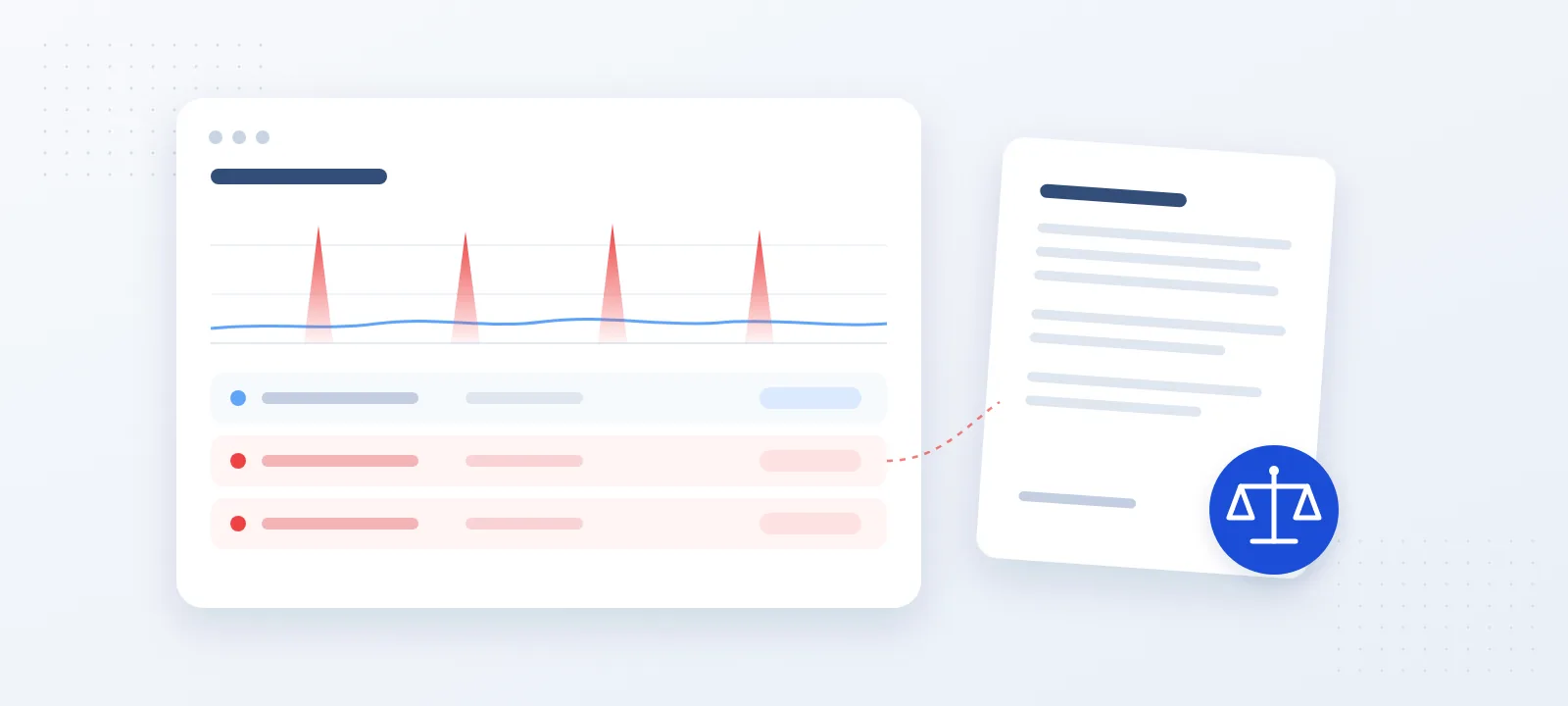
Click fraud can indeed be illegal, although no country has a law bearing that name. Prosecutors rely on general fraud law when a person deliberately clicks ads to make money or make an advertiser pay: wire fraud in the United States, and the Fraud Act 2006 in the United Kingdom. It is a different situation if a competitor clicks your ads occasionally. Such conduct is generally a civil dispute that is difficult to prove and seldom worth pursuing in court.
Here, we explain how click fraud is treated under the law in the US, the UK and the Netherlands, how that applies to clicks from a rival, and which options are available besides suing. This is general information rather than legal advice. Speak to a lawyer in your own country if you are considering a claim.
How each country treats click fraud under the law
Country | Criminal option | Civil option | Case example |
|---|---|---|---|
United States | Organised schemes may involve wire fraud and money laundering; other cases may involve the Computer Fraud and Abuse Act and extortion | Claims against networks or publishers for breach of contract, misrepresentation and unjust enrichment | After running the Methbot bot scheme, Aleksandr Zhukov was convicted of wire fraud and money laundering, then sentenced to 10 years in prison in 2021 |
United Kingdom | Under Fraud Act 2006, section 2, fraud by false representation carries up to 10 years on indictment | A loss can be claimed from the person responsible for causing it | As far as we know, there is no published UK conviction for clicking a competitor's ads |
Netherlands | There is no specific offence; fraud could be the framing for an organised scheme (oplichting, article 326 of the Criminal Code) | Under tort (onrechtmatige daad, article 6:162 of the Civil Code), a person who commits an unlawful act against someone else must pay for the damage caused | As far as we know, no Dutch case on competitor clicking has been published |
Regardless of where a case is heard, two factors determine its outcome: intent and measurable loss. Neither is present in an accidental click or a visit to check a rival's prices. Both are present when a script clicks the same expensive keyword a hundred times each day.
Why bots and repeat clickers fit the UK Fraud Act
Anyone who dishonestly makes a false representation with the intention of making a gain or causing another person a loss is covered by section 2 of the Fraud Act. Under the act, a representation can still count when made to a machine: it may be regarded as made if it is submitted "to any system or device designed to receive, convey or respond to communications (with or without human intervention)". Each paid click signals to the ad system that someone is interested in the ad. The wording applies when the clicker knows this is untrue and intends for the advertiser to pay. A court may reach a different view in an individual case.
Why large schemes account for most US cases
US prosecutors have targeted operators who earned millions rather than a competing plumber. The clearest illustration is the Methbot case. According to the Justice Department, Zhukov and his co-conspirators stole more than $7 million from US advertisers, publishers and platforms. In the best-known civil case, the positions were reversed. Advertisers sued Google for charges relating to invalid clicks, while Google reached a $90 million settlement with Lane's Gifts and Collectibles in 2006. Read more about lawsuits involving click fraud.
Can a competitor legally click your ads?
The answer depends on the reason and the frequency. Clicking once to view your offer is normal customer behaviour, even for a rival, and no law prohibits it. If that rival clicks each morning to exhaust your daily budget, however, the intention is to cause you a loss. In the UK, this could amount to fraud by false representation. In the Netherlands, it would probably result in a civil claim for an unlawful act.
The difficult part is not being right, but proving it. You must demonstrate that the competitor made the clicks, did so deliberately, and cost you a specific amount. Because an IP address identifies a network instead of an individual, and because offices and mobile networks use shared addresses, that evidence is difficult to establish. Legal fees must then be weighed against the click costs, which they usually exceed. For most advertisers, stopping the clicks and recovering the money from Google is more practical than suing.
For detailed instructions, read the guide to stopping competitors from clicking your Google Ads.
How are bots and click farms treated?
In every country discussed here, organised click fraud carried out through bots, botnets or click farms is fraud. The Methbot sentence demonstrates that prison can follow. Those responsible, however, generally work from abroad and target thousands of advertisers simultaneously. An individual advertiser will not bring such a case. You can instead prevent that traffic from entering your account and seek credits for any traffic that passed through.
Steps to take if you suspect click fraud
Record what you observe
Record the relevant dates, campaigns, keywords and IP addresses, then export the click data. No matter what you decide afterwards, the first thing a platform, lawyer or the police will request is a dated record.
Request an investigation from Google
Google filters some invalid clicks automatically and does not charge for them. They appear in the "Invalid clicks" column. If any were missed, you may request an investigation into activity from the last 60 days. Invalid traffic that is confirmed is returned as a credit on your invoice.
Block the source
Within Google Ads, you can exclude as many as 500 IP addresses from each campaign. A known address will then be unable to see your ads again, regardless of whether the clicks were illegal.
Consider sending a letter instead of suing
Where you can identify the competitor responsible and demonstrate the pattern, a lawyer's letter requesting that they stop often suffices and costs less than court proceedings. Police involvement should be reserved for organised schemes and extortion, including a person who threatens to click your ads unless paid.
Use a tool to maintain the record
Click fraud protection tools such as ClickPatrol assign a score to every click, exclude the sources of invalid clicks from your ad account and retain click-level data that Google does not provide. The data can help in a dispute, while the exclusions make such a dispute rarely necessary. See how this applies to rival clicks in the guide to competitors clicking your ads.
Source material
- Read on 19 November 2026: UK Fraud Act 2006, fraud by false representation in section 2, and penalties in section 1.
- From 2021: US Attorney's Office, Eastern District of New York, Russian cybercriminal sentenced to 10 years in prison for digital advertising fraud scheme.
- Read on 19 November 2026: Dutch Civil Code, article 6:162, together with Dutch Criminal Code, article 326.
- Read on 19 November 2026: Google Ads Help, information about invalid traffic and instructions for excluding IP addresses.