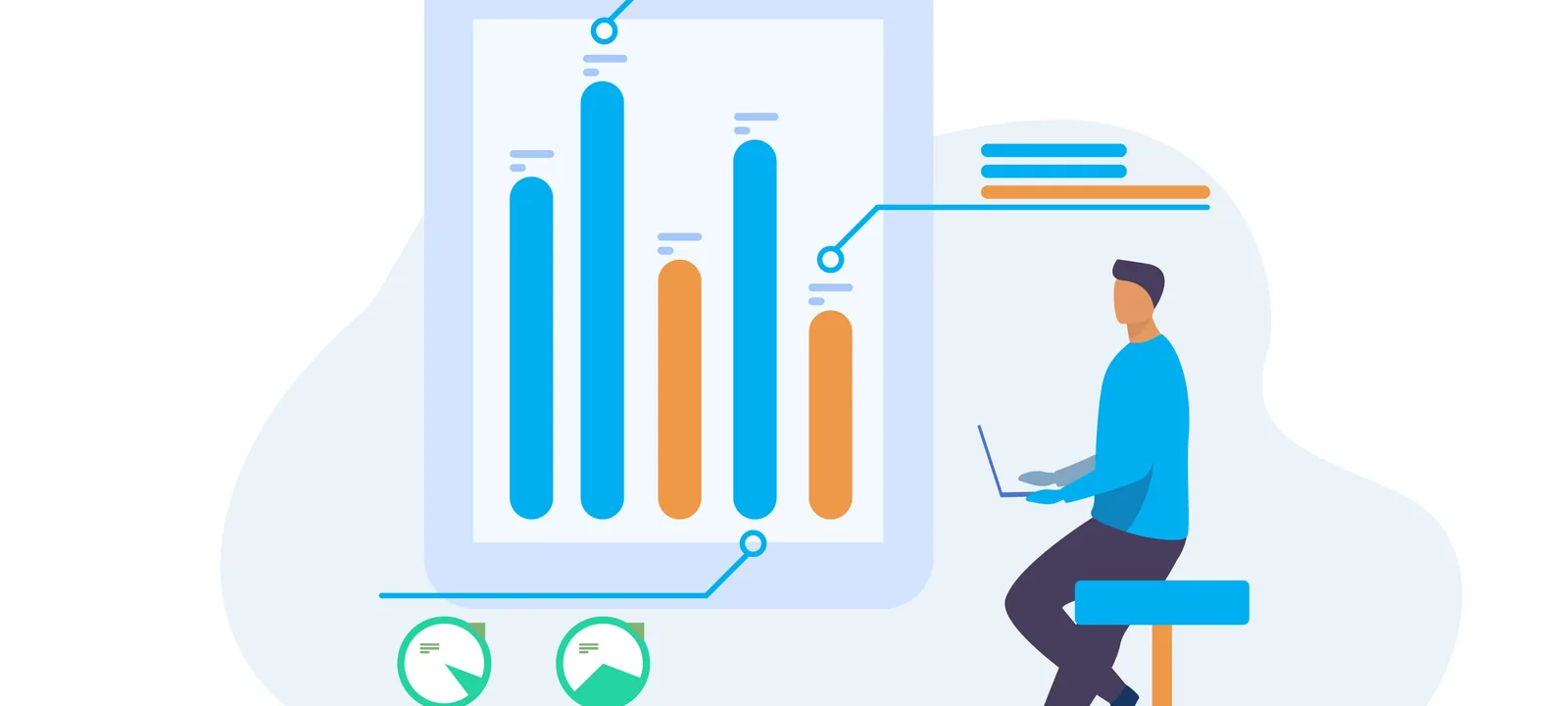
Tier 1 countries such as the United States and United Kingdom often account for over 70% of global ad spend and combine high purchasing power with mature digital infrastructure. Marketers target them for stronger ROI, reliable payment methods, and dense ad platform data, though competition and CPCs are typically higher than lower tiers.
-
Solutions
-
 Click Fraud Protection
Block invalid clicks across every ad channel.
-
 Smart Bidding Protection
Feed Google clean, human-only signals.
-
 Clean Remarketing Audiences
Exclude suspicious traffic from your lists.
-
 All Features
Every ClickPatrol feature in one place.
-
 E-commerce & Retail
Protect shopping campaigns and product feeds.
-
 Service Providers
Stop wasted spend on local & lead-gen ads.
-
 Marketing Agencies
Classify, protect and train every client account.
-
 All Industries
Browse click fraud protection by industry.
-
 Small Business
Affordable protection that pays for itself.
-
 Enterprises
Scale protection across brands & accounts.
-
 Regional Companies
Keep local budgets on real, nearby buyers.
-
 Multinationals
Consistent protection across every market.
-
-
Agencies
-
For Agencies
Classify, protect and train every client account.
-
 Partner Program
Earn 15 to 25% recurring commission on linked clients.
-
 Case Studies
21 UK agencies unlocked over 6% media savings.
-
-
Resources
-
What is Click Fraud?
Learn what fake PPC clicks are and why they matter.
-
 Bot Traffic
Detect and block non-human clicks.
-
 Competitor Fraud
Stop rivals draining your budget.
-
 Sophisticated Fraud
Catch SIVT that native filters miss.
-
 Click Farms
Stop coordinated low-quality click operations.
-
 Invalid Traffic
Block every click that never converts.
-
 Help docs
How to connect Google Ads, GTM and other ad channels.
-
 FAQ
FAQ
Answers to the most common questions.
-
 Blog
Blog
Articles and guides from our expert team.
-
 Comparisons
ClickPatrol vs ClickCease and other tools.
-
 Tools
Tools
Free tools by ClickPatrol & Friends.
-
 About ClickPatrol™
Who we are and our mission.
-
Case Studies
Why agencies and businesses use ClickPatrol.
-
 Customer Reviews
Reviews and success stories from customers.
-
Partner Program
Join our affiliate & partner program.
-
 Contact us
Talk to our team about your ad traffic.
-
- Pricing
Tier 1 countries in digital marketing: What they are and why they deliver the highest ROI
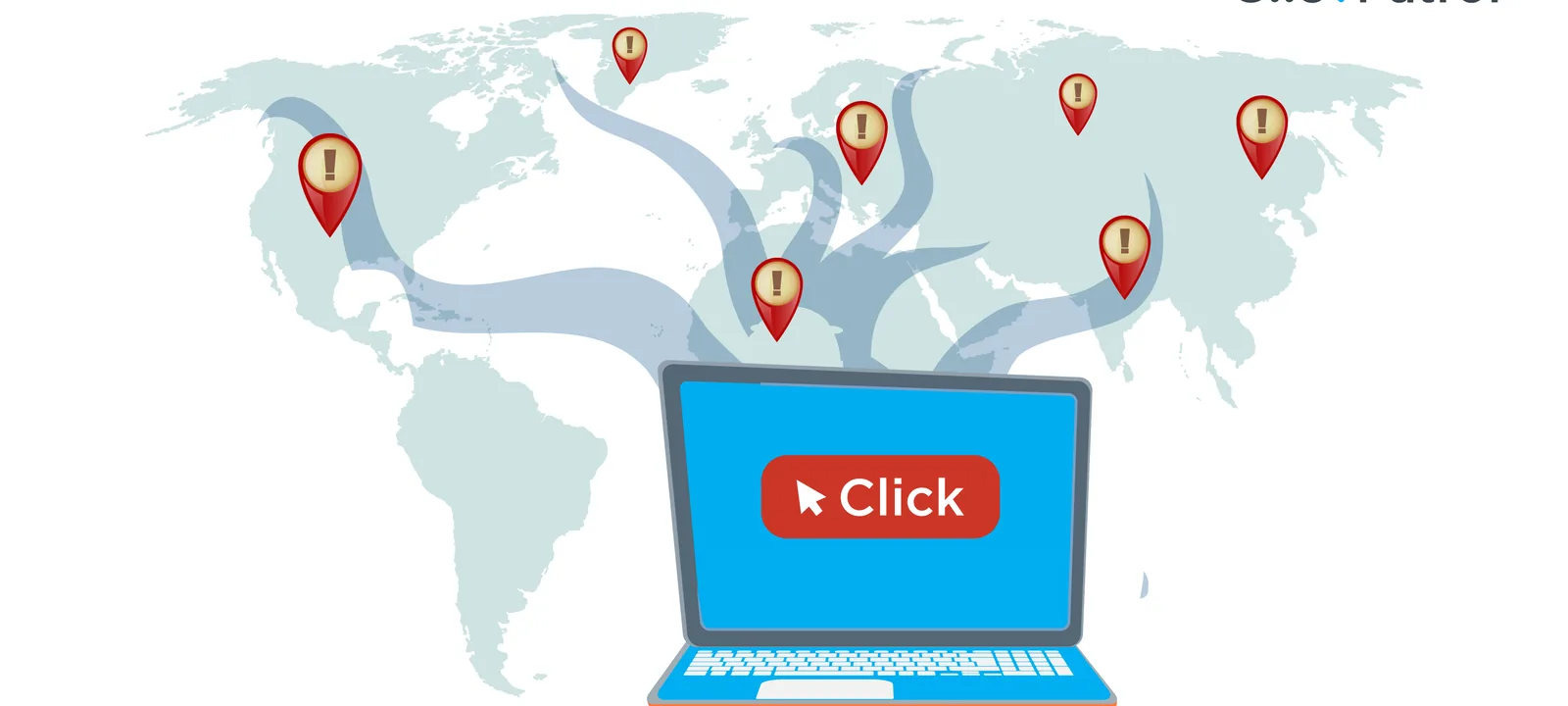
Tier 1 countries like the U.S. and the U.K. often account for over 70% of global ad spend. In digital marketing, classifying countries into tiers, particularly Tier 1, is pivotal for effectively strategizing campaigns.
Tier 1 countries represent the most lucrative markets due to their advanced economies, high purchasing power, and sophisticated digital infrastructures.
This guide explains Tier 1 countries, their advertising value, and how to adapt your strategy to these high-conversion markets.
What are Tier 1 countries in digital advertising, and why do they matter?
Tier 1 countries are nations with highly developed economies, robust digital infrastructures, and affluent populations. They typically include:
- United States
- United Kingdom
- Canada
- Australia
- Germany
- France
- Netherlands
- Switzerland
- Sweden
- Norway
- Denmark
- Finland
- Ireland
- Japan
- Singapore
These countries are characterized by:
- High internet penetration: Most of the population has access to high-speed internet.
- Advanced technological infrastructure: Widespread use of smartphones, digital devices, and e-commerce platforms.
- Affluent populations: High GDP per capita and substantial disposable income.
- Stable political and economic environments: Providing a conducive atmosphere for business operations and consumer confidence.
Why are Tier 1 countries important in digital marketing?
Targeting Tier 1 countries offers several advantages that can significantly enhance the effectiveness and profitability of digital marketing campaigns:
- High purchasing power: Consumers in tier 1 countries possess substantial disposable income, making them more inclined to engage with and purchase products or services.
- Advanced digital infrastructure: The widespread availability of high-speed internet and the prevalent use of digital devices facilitate seamless online experiences.
- Mature E-commerce markets: Online shopping is well-established in tier 1 countries, with consumers exhibiting comfort and trust in online transactions.
- Higher conversion rates: Consumers in tier 1 countries are more responsive to digital marketing efforts due to familiarity with digital platforms and trust in online transactions.
- Access to valuable consumer data: The advanced digital ecosystems in these countries provide access to a wealth of consumer data. Marketers can leverage this data to gain insights into consumer behavior, preferences, and trends, allowing for more precise targeting and personalization of marketing efforts.
Characteristics of tier 1 countries
Tier 1 countries are distinguished by their robust economies and advanced digital infrastructures, making them prime targets for digital marketing efforts.
- Economic and digital landscape: Tier 1 countries are distinguished by their robust economies and advanced digital infrastructures. These nations typically exhibit high Gross Domestic Product (GDP) per capita, indicating a strong economic performance and a populace with substantial purchasing power. For instance, countries like Singapore and the United Kingdom have been recognized for their well-developed digital infrastructures, facilitating seamless digital experiences for users.
- Consumer behavior and preferences: Consumers in tier 1 countries are typically tech-savvy, well-informed, and have high expectations regarding the products and services they engage with. They value quality, convenience, and personalized experiences. These consumers are accustomed to seamless digital interactions and expect brands to deliver consistent and engaging content across multiple channels.
Benefits of targeting Tier 1 countries in paid campaigns
Targeting Tier 1 countries offers substantial benefits for digital marketers. These regions are characterized by robust economies, advanced digital infrastructures, and consumers with significant purchasing power. Below are some of the major advantages:
- Higher revenue potential: One of the primary advantages of targeting Tier 1 countries is the potential for higher revenues. The combination of high disposable incomes and established e-commerce habits means consumers in these markets are more likely to purchase, subscribe to services, or engage with premium offerings.
- Enhanced brand visibility: Operating in Tier 1 markets can significantly boost a brand’s visibility and credibility. Success in these competitive and discerning markets often serves as a benchmark for global recognition. Brands with a strong presence in Tier 1 countries can leverage this reputation to expand into other markets more effectively.
- Access to valuable data: The advanced digital ecosystems in Tier 1 countries provide businesses with a wealth of consumer data. This data can offer deep insights into consumer behaviors, preferences, and trends, enabling more precise targeting and personalization of marketing efforts.
Challenges in targeting tier 1 countries
Operating in Tier 1 digital markets presents significant opportunities due to their advanced infrastructures and affluent consumer bases. However, businesses must also contend with notable challenges such as:
- High competition and advertising costs: The lucrative nature of Tier 1 markets attracts numerous advertisers, leading to intense competition. This competition drives up the cost of advertising, with higher Cost-per-Click (CPC) and cost-per-mille (CPM) rates.
- Strict regulatory environments: Tier 1 countries often have stringent regulations regarding digital advertising, data privacy, and consumer protection. Compliance with laws such as the General Data Protection Regulation (GDPR) in Europe and the California Consumer Privacy Act (CCPA) in the United States is mandatory.
- Sophisticated consumer expectations: Consumers in Tier 1 markets are discerning and expect high-quality, relevant, and personalized content. They are accustomed to seamless digital experiences and quickly disengage from brands that fail to meet their expectations.
Strategies for success in tier 1 markets
Succeeding in Tier 1 markets requires a strategic approach that aligns with the sophisticated expectations of consumers in these regions.
- Invest in quality content: Develop engaging, personalized content that resonates with the target audience. Utilize storytelling, professional visuals, and clear messaging to capture attention.
- Leverage data analytics: Advanced analytics can help you understand consumer behavior, preferences, and trends. This data-driven approach allows for more effective targeting and campaign optimization.
- Ensure compliance with regulations: Stay informed about relevant laws and regulations in each country. Implement robust data protection measures and ensure transparency in data collection and usage.
- Localize marketing efforts: Adapt marketing messages to align with local cultures, languages, and preferences. Localization enhances relevance and connection with the audience.
Tier 1 CPC benchmarks: why costs vary between tier 1 countries
Tier 1 is not one price level. The United States carries the highest costs, driven by competition in finance, SaaS and legal services. The United Kingdom and Canada usually sit slightly lower, while Australia and Western Europe swing either way depending on industry demand.
Within a single country the spread is just as wide, because keyword competitiveness, Quality Score and audience intent all move the price. So geography alone is not a budget estimate: you need the industry and the keyword-level competition next to it.
Does tier 1 traffic carry a higher risk of invalid clicks?
Tier 1 traffic is generally cleaner than lower-tier markets, because Google applies its strongest fraud detection in these regions. That suppresses the obvious end of the spectrum, large-scale bot traffic and click farms, without removing the risk.
What remains matters more here than elsewhere, for a simple reason: when a click costs €50, a small percentage of waste is a large absolute number. Three patterns are worth watching in tier 1 campaigns:
- Strong click-through rate with weak conversions. Measure this against tier 1 benchmarks rather than your account average, because conversion behaviour is normally stronger in these markets.
- Click spikes without revenue movement. A jump in clicks from one region with no matching rise in conversions points at traffic with no intent behind it.
- Competitive click behaviour. In high-CPC industries competitors do click ads to drain budgets, and tier 1 is where that pays off best for them.
Google credits back what it classifies as invalid traffic, but only what its own filters caught. In an expensive market the gap between what was filtered and what was charged is where the money goes.
Tier 1 vs. Tier 2 and Tier 3 countries: What’s the difference?
Tier 1, Tier 2, and Tier 3 countries are marketing terms used to group countries based on their economic status, purchasing power, online behavior, and advertising performance. Here’s a simple breakdown:
Tier 1 countries
These are high-income, developed nations with strong economies and high consumer spending. Examples: United States, Canada, United Kingdom, Australia, Germany
Characteristics:
- High purchasing power
- Expensive advertising (high CPM and CPC rates)
- High conversion rates
- English-speaking audiences (in many cases)
Tier 2 countries
These are developing or newly industrialized countries with growing economies. Examples: Brazil, South Africa, Mexico, Malaysia, Romania
Characteristics:
- Moderate purchasing power
- Mid-range advertising costs
- Growing online audiences
- Mixed languages and cultures
Tier 3 countries
These are lower-income or underdeveloped nations with limited online buying power. Examples: Nigeria, Bangladesh, Pakistan, Kenya, Nepal
Characteristics:
- Low purchasing power
- Low advertising costs
- Low conversion rates
- Often face infrastructure or economic challenges
What are tier 1 audience countries?
Tier 1 audience countries are the same high-income markets advertisers mean when they talk about tier 1 traffic: the United States, United Kingdom, Canada, Australia, Germany, France, and similar developed economies. In ad platform settings, a tier 1 audience usually means users located in those countries, not a separate Google Ads category.
Meta, Google, and other networks let you include or exclude countries at campaign level. Marketers use the tier 1 label because users in these markets tend to have higher disposable income, stronger e-commerce habits, and better conversion rates. That is why tier 1 audience countries show up in budget planning, geo-targeting docs, and performance reports.
When you review audience reports, check whether clicks and conversions actually come from your intended tier 1 list. Paid traffic from tier 1 geos costs more per click, so wasted impressions in those markets hurt ROI faster than in lower-tier regions.
How do you get tier 1 audience for paid ads?
Start with geo-targeting: set campaigns to serve only in tier 1 countries that match your offer, language, and shipping or service area. Exclude locations where you cannot convert, even if CPC looks cheaper on paper.
Layer audience signals on top of geography. Use in-market segments, customer lists, and remarketing pools built from past buyers in tier 1 markets. Tight keyword match types and negative keywords also keep informational traffic out of high-CPC tier 1 auctions.
Monitor click quality, not just volume. Invalid clicks from bots or competitors can inflate tier 1 spend without adding real audience reach. Protection tools that analyze 800+ data points per click help block bad traffic and keep Smart Bidding signals clean, so your budget stays focused on genuine tier 1 users.
Navigating tier 1 markets
Tier 1 countries offer unparalleled opportunities for digital marketers, characterized by affluent consumers, advanced digital infrastructures, and mature e-commerce landscapes.
However, these benefits come with challenges, including intense competition, high advertising costs, and stringent regulatory environments.
Success in these markets requires a nuanced understanding of consumer behavior, compliance with local regulations, and delivery of high-quality, personalized content.
By effectively addressing these factors, businesses can establish a strong presence and achieve significant returns in Tier 1 markets.
Frequently Asked Questions
Why focus marketing on tier 1 countries?
What challenges exist in tier 1 markets?
Tier 1 digital marketing faces saturated auctions, strict privacy laws such as GDPR in Europe and state rules in the US, and audiences with high ad literacy. Creative fatigue arrives quickly. Teams need localized messaging, compliant tracking, and precise bidding because wasted spend scales fast in expensive markets.
How does tier 1 behavior affect strategy?
Consumers in tier 1 countries often research extensively, compare reviews, and expect fast mobile experiences. That shifts budget toward branded search defense, retargeting, and content that answers detailed questions. Campaigns must align landing page speed and trust signals with expectations common in high-income markets.
Which countries count as tier 1?
Tier 1 lists vary by agency, but commonly include the US, UK, Canada, Australia, and Western European markets such as Germany and France. Classification uses GDP per capita, ecommerce penetration, and ad market maturity. Advertisers map tiers to geo bid adjustments and separate creative tests rather than treating all regions equally.

Written & reviewed by
Abisola Tanzako
Content Manager, ClickPatrol (click fraud & invalid-traffic specialist)
Abisola covers bot traffic, ad fraud and PPC protection, drawing on ClickPatrol platform data from 1,793+ businesses.
Last updated: 25 September 2026