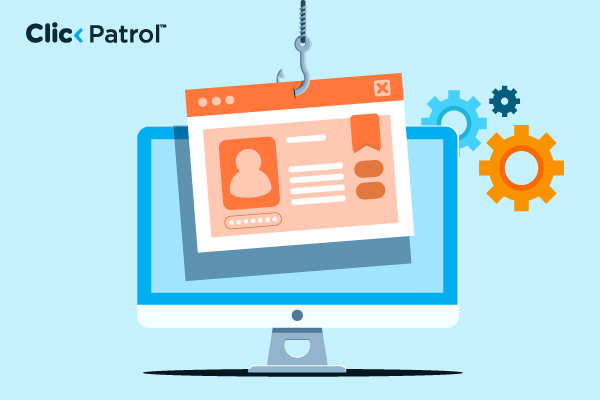
Bot traffic refers to non-human activity on your ads or website generated by automated scripts or software. In display advertising, bots can generate fake impressions, clicks, or visits that appear real but do not originate from actual users. This traffic does not lead to real customers and can distort campaign performance data.
-
Solutions
Features
-
 Click Fraud Protection
Block invalid clicks across every ad channel.
-
 Ads & Threats Analytics
See exactly where fake traffic hits your ads.
-
 Traffic Management & Insights
Real-time visibility into every click source.
-
 Bot Detection & Custom Rules
Auto-block bots with rules tuned to you.
Industry Verticals
-
 E-commerce & Retail
Protect shopping campaigns and product feeds.
-
 Service Providers
Stop wasted spend on local & lead-gen ads.
-
 Mobile App Providers
Filter bots and invalid clicks on app ads.
-
Marketing Agencies
Show clients real, reportable media savings.
Customer Segments
-
Small Business
Affordable protection that pays for itself.
-
Enterprises
Scale protection across brands & accounts.
-
Regional Companies
Keep local budgets on real, nearby buyers.
-
Multinationals
Consistent protection across every market.
Fraud Types
-
Bot Traffic
Detect and block non-human clicks.
-
Competitor Fraud
Stop rivals draining your budget.
-
Sophisticated Fraud
Catch SIVT that native filters miss.
-
 Click Farms
Block coordinated fake-click networks.
-
-
About ClickPatrol™
-
About ClickPatrol™
Who are we and read about our mission.
-
Partner Program
Sign-up for our affiliate program, we love to partner up with you.
-
Request Demo
Fill in this form to receive a demo and more information.
-
-
Resources
-
 FAQ
FAQ
Everything you need to know & answers to all the common questions.
-
Case Studies
See why agencies and business owners use ClickPatrol to protect their ads.
-
Customer Reviews
Customer Reviews and Success Stories of the ClickPatrol community.
-
Tools
Tools published by ClickPatrol & Friends.
-
 Blog
Blog
Read articles and guides by our expert content team.
-
- Pricing
- Sign in
- Start My Free 7-Day Trial
Display ads getting bot traffic? How to detect invalid clicks and stop ad fraud (2026)
Abisola | Jun 4, 2026

Display ads getting bot traffic is a costly problem for advertisers. Bots can generate fake clicks, distort campaign data, and waste ad spend without delivering real customers.
The problem is growing. According to the 2025 Imperva Bad Bot Report, bots account for up to 37% of internet traffic, while Juniper Research projects global digital ad fraud losses will exceed $100 billion in 2025.
Knowing how to identify invalid clicks and stop fraudulent traffic is essential for protecting your advertising budget.
Quick answer: Why are display ads getting bot traffic?
Display ads attract bot traffic because programmatic advertising allows ads to appear across thousands of websites and apps, including low-quality placements where bots generate fake impressions and clicks.
These bots waste ad spend, distort conversion data, and corrupt the audience signals that Smart Bidding relies on to optimise performance.
What is bot traffic in display advertising?
Bot traffic in display advertising refers to automated non-human activity that interacts with ads, such as fake clicks, impressions, or visits.
These bots are designed to mimic real users but do not represent genuine customer interest. While some bots (like search engine crawlers) are harmless, malicious bot traffic is used to inflate ad metrics, drain budgets, and distort campaign performance data.
Bot traffic vs invalid traffic: what is the difference?
These terms are often used interchangeably, but they are not the same thing, and the distinction matters for how you diagnose and address the problem.
- Invalid traffic is the larger category: Google defines it as clicks or impressions generated by any means that artificially inflate an advertiser's costs or a publisher's earnings.
- Bot traffic is a part of invalid traffic.: It is a specific form of non-human activity, automated or scripted, or using a botnet to mimic the behavior of a user on a large scale.
- Click fraud: usually means intentionally invalid (bot or human) clicks, whether with the purpose of robbing an advertiser of advertising dollars or defrauding a publisher of revenue.
How serious is bot traffic in display advertising?
Bot traffic in display advertising is serious because it can waste your budget and distort your results without you realizing it.
Here’s the simple picture: You’re paying for ads that sometimes aren’t even seen by real people.
Some clicks, impressions, and even conversions can come from bots instead of actual customers.
Why it matters:
- Your money gets spent on fake traffic
- Your results can look better than they really are
- Your data becomes misleading
The hidden danger: The worst part is that everything still looks normal in your dashboard, until you realize those “results” aren’t real customers.
Bot traffic can quietly drain budgets and mess up campaign decisions, especially on open display networks.
What are MFA websites, and why are they dangerous?
MFA (Made-For-Advertising) websites are created mainly to earn money from ads, not to inform or help users.
They often look like normal blogs or news sites, but the content is usually thin, repetitive, or designed just to generate more pages and ad placements.
Their goal is traffic, not value. They try to keep users clicking through pages to increase ad impressions and revenue.
The problem for advertisers is that this traffic is low-quality. People rarely visit these sites with real buying intent, so clicks don’t turn into sales or leads.
MFA sites can also distort campaign performance. You may see high click-through and engagement rates but very low conversion rates, making it hard to judge what’s actually working.
Finally, they can affect brand perception, since ads may appear alongside low-quality content, eroding trust over time.
What types of bots target display ads?
Bots that target display ads come in different forms, and while they all distort campaign data, they don’t behave the same.
- Data centre bots come from server environments, not real devices. They often create sudden traffic spikes and are usually the easiest to detect.
- Residential (masked) bots use real home IP addresses, making them look like genuine users and harder to spot.
- Click bots are designed specifically to interact with ads and generate fake clicks, often to inflate engagement or drain budgets.
- Scraper bots mainly crawl websites to collect data. Even if they don’t click ads, they can still inflate impressions and reduce the quality of traffic.
- Human-assisted bots (click farms) involve real people following instructions to click ads or browse pages, making the activity look more authentic.
Why are display ads particularly vulnerable to bot traffic?
Display ads are especially vulnerable to bot traffic because of how they are bought, delivered, and measured.
- Unlike search ads, which target people actively searching, display ads run across a wide network of websites and apps. This broad reach increases visibility, but it also creates more opportunities for bots to slip in, especially on low-quality sites.
- They are also bought through automated programmatic systems. Ads are served in real time across thousands of placements, making it difficult to fully screen every impression, which bots can exploit.
- In addition, display ads are often measured by impressions or clicks, not intent. This allows bots to generate activity that looks successful on the surface but has no real business value.
- Finally, the ecosystem is fragmented. Ads pass through multiple intermediaries before reaching a user, and each step creates another point where invalid traffic can enter.
How do you know if your display ads are getting bot traffic?
You don’t usually spot bot traffic from a single warning sign. It shows up as a pattern across your campaign data, website behaviour, and placements.
When you start noticing unusual activity that doesn’t match real user intent, it’s worth digging deeper.
- Sudden spikes in clicks or impressions: A sharp increase in traffic with no campaign changes can signal automated activity.
- Very low engagement: Bots or low-quality traffic often leave quickly, leading to short session times, high bounce rates, and little interaction with key pages.
- High traffic but no conversions: If clicks are consistent but there are no sign-ups, purchases, or enquiries, the traffic may not be genuine.
- Suspicious placements: Ads appearing on unfamiliar or low-quality sites (often MFA-style pages) can indicate invalid traffic.
- Unusual location or device patterns: Traffic from unexpected regions or repeated device/browser setups may point to non-human or coordinated bot activity.
Can Performance Max campaigns get bot traffic?
Yes. Performance Max (PMax) campaigns can still attract bot traffic, even with Google’s invalid traffic filters in place.
This is mainly because PMax runs across a wide network, including Display and YouTube, where inventory is highly automated and harder to fully control.
Another issue is visibility. PMax doesn’t offer detailed placement reporting like standard Display campaigns, so it’s harder to see exactly where clicks are coming from or isolate suspicious sources.
When bot traffic slips through, it usually shows up in performance patterns rather than obvious signals, such as clicks without conversions or sudden changes in engagement without campaign updates.
So while PMax has protections, it isn’t completely immune. The main challenge is limited transparency and control, rather than a lack of filtering.
How does bot traffic corrupt Smart Bidding data?
Bot traffic can distort the conversion signals that Smart Bidding relies on for optimisation, especially in strategies such as target CPA, target ROAS, and maximize conversions.
Since these systems learn from real conversion behaviour, inflated clicks without genuine outcomes can weaken conversion rates and lead to poor optimisation decisions, such as misallocated bids or reduced focus on high-quality placements.
Over time, this can make campaign performance less stable until cleaner conversion data is restored and the system re-adjusts.
Why does Google not catch all of this automatically?
Google uses automated systems to detect and filter invalid traffic, and advertisers may receive credits for clicks that are later identified as invalid.
However, due to the scale and complexity of the ad ecosystem, not all invalid traffic can be detected in real-time.
According to Google’s invalid traffic documentation, some activity is filtered before it appears in reports, while other cases are identified and adjusted after the fact.
At the same time, more sophisticated bots are designed to mimic real user behaviour, such as rotating IP addresses and simulating normal browsing patterns, which makes them harder to detect immediately.
Google’s systems provide a strong baseline protection, but they cannot eliminate all invalid traffic.
What are the tools and methods to detect bot traffic in display campaigns?
Detecting bot traffic in display campaigns usually requires a mix of platform data, behavioural signals, and third-party tools.
No single method is enough on its own, but together they help you identify low-quality or non-human traffic more accurately.
- Google Ads invalid traffic reporting: Google filters known invalid clicks and impressions and shows credited activity in your account.
- GA4 behaviour signals: Look for short sessions, high bounce rates, and no on-page engagement.
- Placement reports: Check where ads are showing. Low-quality or irrelevant sites often signal poor traffic.
- IP and device patterns: Repeated IPs, identical devices, or unusual browser setups can indicate automated activity.
- Third-party tools (e.g., ClickPatrol, IAS, DoubleVerify, Human Security): These tools help flag suspicious traffic patterns and verify traffic quality beyond Google’s built-in filters.
- Conversion vs click gaps: High clicks with low or zero conversions are often a strong warning sign of invalid traffic.
How to audit display placements for bot traffic
Auditing display placements for bot traffic means checking where your ads appear and ensuring the traffic from those sites actually looks like real user activity.
- Check your Google Ads placement report: This shows where your ads appeared. Watch for unfamiliar sites, especially those with heavy ads, thin content, or poor-quality layouts.
- Compare traffic with outcomes: Look for placements that bring clicks or impressions but no conversions or meaningful engagement. That mismatch is a key warning sign.
- Review behaviour in GA4: Check session duration, bounce rates, and whether users interact beyond the landing page. Very short or empty sessions can signal low-quality traffic.
- Spot unusual patterns: Watch for sudden spikes, repeated device types, or odd timing patterns from specific placements.
- Exclude and refine targeting: Remove poor-performing placements and adjust targeting to improve traffic quality over time.
How to reduce bot traffic on your display campaigns
Once you notice bot traffic in your campaigns, there are a few practical steps you can take to reduce it and protect your budget.
- Check and remove bad placements: Use the Google Ads placement report to identify sites that drive clicks but no conversions. Exclude low-quality or suspicious placements.
- Use managed placements: Choose specific websites or apps where your ads should appear. This gives you more control over where your ads run.
- Refine audience targeting: Focus on more relevant audiences to reduce wasted impressions on low-quality traffic.
- Use IP exclusions: Block repeated suspicious IP addresses where possible, though this won’t catch all bots.
- Apply frequency caps: Limit how often the same user sees your ads to reduce wasted impressions.
- Use ClickPatrol for monitoring: it flags suspicious traffic patterns so you can act faster and protect your campaign data.
Does bot traffic affect your audience data and remarketing?
Yes, bot traffic can affect remarketing and audience quality when invalid visits are included in your site data.
If bots land on your site from display ads, they may be added to remarketing lists meant for real users.
This can reduce efficiency because you may end up showing ads to users who never had the real intent to engage or convert.
It can also weaken audience signals used in optimisation. Over time, this may reduce the quality of targeting insights and make it harder for campaigns to focus on genuinely interested users.
This is why early detection matters not just for campaign performance but also for maintaining clean audience data over time.
Key takeaways
- Display ads are more exposed to invalid traffic due to large-scale programmatic inventory.
- Bot traffic can enter remarketing lists, reducing audience quality.
- MFA-style sites are a common source of low-quality display inventory.
- Performance Max and other automated campaigns can still be affected, with limited visibility.
- Stronger results come from combining placement checks, targeting refinement, and fraud monitoring tools.
Stop paying for traffic that will never convert
Bot traffic is a known risk in display advertising, and it can quietly affect both your spend and your campaign data if it goes unchecked.
While the immediate cost shows up in wasted clicks, the bigger issue is the distortion it creates in performance insights and optimization decisions over time.
The good news is that it can be reduced with consistent monitoring. Regular placement audits, tighter targeting, and close attention to traffic patterns can significantly improve quality.
Adding fraud detection tools can also help strengthen your defence against suspicious activity. Advertisers who treat traffic quality as part of ongoing campaign management, rather than a one-time fix, are better positioned to protect both their budgets and long-term performance.
Frequently Asked Questions
What is bot traffic?
How can I tell if my ads have bot traffic?
You can suspect bot traffic when you see patterns like:
- High clicks but very low or zero conversions
- Very short sessions (often under a few seconds)
- High bounce rates with no engagement
- Sudden traffic spikes without campaign changes
- Repeated or unusual locations, devices, or IP patterns
- Clicks from low-quality or unfamiliar websites
- No single signal is enough on its own; it’s the combination of patterns that usually reveals the issue.
Does Google refund invalid clicks?
Yes. Google automatically filters some invalid clicks and impressions, and in many cases, advertisers are credited for invalid activity after review. However, not all invalid traffic is caught in real time. Some suspicious activity is only detected later, and highly sophisticated bots may still pass initial filters before being adjusted.
Can bot traffic affect remarketing?
Yes. If bots land on your website, they can be added to your remarketing audiences. This means you may end up targeting ads to non-human users, which reduces campaign efficiency and wastes budget. It can also weaken audience quality signals used for optimization, making your targeting less accurate over time.
How do I block bot traffic?
You can’t fully eliminate bot traffic, but you can reduce it significantly by:
- Reviewing and excluding poor-performing placements
- Using managed placements for better control
- Applying IP exclusions for repeated suspicious sources
- Refining audience targeting to improve traffic quality
- Setting frequency caps to reduce repeated exposure
- Using fraud detection tools to monitor suspicious activity