Google, Meta (Facebook), Microsoft, LinkedIn, YouTube, Amazon, and TikTok. Google is the most effective overall; LinkedIn is best for B2B; Amazon is best for e-commerce with high purchase intent; TikTok is best for the 18-34 age group.
-
Solutions
-
 Click Fraud Protection
Block invalid clicks across every ad channel.
-
 Smart Bidding Protection
Feed Google clean, human-only signals.
-
 Clean Remarketing Audiences
Exclude suspicious traffic from your lists.
-
 All Features
Every ClickPatrol feature in one place.
-
 E-commerce & Retail
Protect shopping campaigns and product feeds.
-
 Service Providers
Stop wasted spend on local & lead-gen ads.
-
 Mobile App Providers
Protect app install and in-app ad campaigns.
-
 Marketing Agencies
Show clients real, reportable media savings.
-
 All Industries
Browse click fraud protection by industry.
-
 Small Business
Affordable protection that pays for itself.
-
 Enterprises
Scale protection across brands & accounts.
-
 Regional Companies
Keep local budgets on real, nearby buyers.
-
 Multinationals
Consistent protection across every market.
-
-
Resources
-
What is Click Fraud?
Learn what fake PPC clicks are and why they matter.
-
 Bot Traffic
Detect and block non-human clicks.
-
 Competitor Fraud
Stop rivals draining your budget.
-
 Sophisticated Fraud
Catch SIVT that native filters miss.
-
 Click Farms
Stop coordinated low-quality click operations.
-
 Invalid Traffic
Block every click that never converts.
-
 FAQ
FAQ
Answers to the most common questions.
-
 Blog
Blog
Articles and guides from our expert team.
-
 Comparisons
ClickPatrol vs ClickCease and other tools.
-
 Tools
Tools
Free tools by ClickPatrol & Friends.
-
 About ClickPatrol™
Who we are and our mission.
-
 Case Studies
Why agencies and businesses use ClickPatrol.
-
 Customer Reviews
Reviews and success stories from customers.
-
 Partner Program
Join our affiliate & partner program.
-
 Contact us
Talk to our team about your ad traffic.
-
- Pricing
Best pay-per-click advertising websites in 2026: Full comparison
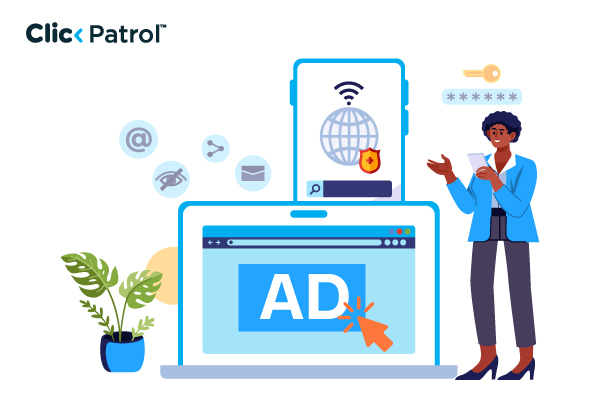
The pay-per-click ad ecosystem in 2026 comprises seven large platforms that target different audiences, operate under different business models, and serve different goals for their advertising campaigns.
Total global ad spend on the Internet search market stands at a whopping $218.3 billion in 2026. But making mistakes in selecting your platform or failing to consider invalid traffic can quickly put an end to such good results.
This guide explains how each major pay-per-click network performs in terms of cost, quality, traffic quality, and potential risks for advertisers.
Platform comparison at a glance
| Platform | Avg. CPC | Avg. CTR | Avg. Conv. Rate | Approx. ROAS | Invalid Click Rate | Fraud Risk | Min. Budget/mo | Recommended For |
| Google Ads | $1.16 | 6.42% | 7.52% | 200% | 11.50% | Medium | $1,000 | E-commerce, lead gen, SaaS, local |
| Meta Ads | $0.70 | 1.5% | 8.95% | 150–180% | 8% | Medium | $500 | DTC, e-commerce, app installs |
| Microsoft Advertising | $1.54 | 2.8% | 2.94% | 150% | 20% | High | $300 | B2B, finance, cost-conscious |
| LinkedIn Ads | $5–$15 | 0.44% | 2.74% | Varies (B2B) | 19.8% | Lower | $1,500 | B2B SaaS, recruitment, exec edu |
| YouTube Ads | $0.01–$0.30 CPV | N/A | N/A | Brand-focused | 14% | Medium | $500 | Brand awareness, retargeting |
| Amazon Ads | $0.80–$2.00 | 0.36% | 9.96% | 300–400% | 16% | High | $500 | E-commerce, consumer goods |
| TikTok Ads | $0.19–$1.00 | 0.84% | 1.1% | 100–150% | 12% | Medium | $500 | DTC, consumer goods, 18–34 demos |
What are the top 7 pay-per-click advertising platforms in 2026?
Pay-per-click advertising in 2026 is dominated by seven major platforms, each offering distinct targeting capabilities, cost structures, and performance profiles across the customer journey.
1. Google Ads
Google Ads holds a dominant 69.04% share of the worldwide pay-per-click market and 62% of key U.S. search volume.
It offers search ads, display ads, Shopping ads, video ads, app ads, and Performance Max all in one interface.
Ad rank is calculated based on quality score, which includes relevancy, expected click-through rate, and landing page experience, rather than just the bid.
- Main performance indicators: average CTR 6.42%; average CPC $1.16; legal services CPC $9.21; conversion rate 7.52%.
- Fraud potential: invalid clicks account for 11.5% of total traffic. An advertiser paying $10,000 per month would lose about $1,150 to bots until Google catches them and applies its filters.
- Best suited for: e-commerce, local, lead gen, and SaaS.
2. Meta Ads
Advertisers gain access to Facebook (3 billion+ users) and Instagram (3 billion+ users) through a single dashboard on Meta’s platform.
Targeting can be based on age, income, lifestyle changes, interests, and purchasing behavior. Lookalike Audiences replicate your best customers for scalable prospecting.
Advantage+ Shopping leverages artificial intelligence to test ads across all available platforms.
- Important metrics: Average CPC is $0.70; average CTR is 1.5%; invalid click rate is around 8%.
- Click fraud concerns: Click fraud can evolve into lead form fraud, where bots submit false leads, filling CRMs with unresponsive contact details and skewing budget allocation.
- Best for: DTC, ecommerce, local business promotion, and app downloads.
3. Microsoft Advertising
Microsoft Advertising (previously Bing Ads) targets consumers via Bing, Yahoo, AOL, DuckDuckGo, Edge, Outlook, and Windows.
Microsoft Advertising’s CPC is 33.5% lower than Google’s, with an average CPA of $41.44, about 30% less expensive.
LinkedIn Profile Targeting (job position, company name, seniority level) is the proprietary feature of Microsoft Advertising within the search ecosystem.
- Benchmark statistics: Average CPC $1.54; CTR 2.8%;
- Fraud threat: Incomplete automation of fraud detection increases penetration of invalid traffic, especially in the legal, insurance, and financial industries.
- Preferred for: Companies operating under a tight budget, B2B marketers, and financial organizations.
4. LinkedIn Advertising
LinkedIn is the sole PPC platform that revolves entirely around professional identities. As mentioned in Dreamdata’s 2026 LinkedIn Ads Benchmarks Report, LinkedIn now accounts for 41% of total budgets allocated to paid social media marketing in B2B, making it the leading platform for B2B paid social advertising with a 121% ROAS, compared to Google (67%) and Meta (51%).
Targeting is based on such criteria as job position, seniority level, company size, industry, experience, and LinkedIn Groups.
Lead Generation Forms pre-fill based on information from your LinkedIn profile, resulting in high conversion rates.
- Benchmark indicators: average CPC cost is between $5-$15; average CTR 0.44%; invalid clicks 19.8%.
- Type of fraud: intentional fraud, not click fraud, since low-intentional individuals download gated content and have no intentions of purchasing anything.
- Best fit: B2B companies, SaaS, professional services, recruitment, and executive education.
5. YouTube Ads
YouTube is the world’s second-largest search engine and the dominant video pay-per-click channel, projected to capture 65% of global display ad spend by 2028.
Skippable in-stream ads charge only for 30-second+ views. Non-skippable 15-second ads guarantee 100% completion.
Bumper ads run for 6 seconds to drive recall. All formats integrate with Google Ads targeting and remarketing.
- Key benchmarks: Average CPV $0.01–$0.30, the most cost-efficient awareness channel available; invalid view rate 14%.
- Fraud risk: Bots programmed to watch past the 30-second threshold generate real charges for non-human viewers.
- Ideal for: Brand awareness, product demonstrations, and retargeting.
6. Amazon Advertising
Amazon is expected to capture 17.3% of U.S. digital advertising expenditures in 2026. When combined with Google (23.9%) and Meta (20.9%), it makes up the “digital ad triopoly,” which accounts for more than 62.1% of all U.S. digital ad spending.
First-party purchase data, including search drive targeting, view, add to cart, and purchase history.
- Benchmarks: Avg. CPC $0.80–$2.00+; Conversion rate 9.96%, the highest among all platforms; Invalid click rate 16%.
- Risk of fraud: Competitor-driven click fraud is eating up daily budgets.
- Best-suited to: E-commerce brands with bottom-of-the-funnel.
7. TikTok Ads
TikTok cannot be viewed as just another niche channel in 2026. With 1.5B+ global monthly active users and an 18–34-year-old user base, it is the leading video-first platform for DTC and consumer goods brands.
Video, TopView (full-screen upon app launch), Spark Ads (organic content amplification), Branded Hashtag Challenges, and TikTok Shop shoppable video are among TikTok’s advertising formats.
- Key stats: average cost per mille (CPM) is around $9.16, lower than Meta’s; CPC: $0.19–$1.00; CTR is 0.84%; invalid click rate 12%.
- Risk factors: view inflation by bots and a lack of brand-safety controls. Exclude inappropriate content and manage placements.
- Best suited for: DTC brands, fashion, beauty, food and beverage, and app installs aimed at consumers under 35. B2B marketing is not advised due to the short sales cycle.
How can you choose the right pay-per-click platform?
- Start by thinking about your audience, not your budget. A $12 LinkedIn click by a verified CFO beats a $0.70 Meta click by an unknown audience, if you’re selling B2B SaaS. Choosing a platform is always an audience decision.
- Pick platforms that map to funnel stages. Google Search and Amazon target bottom-funnel audiences who are already searching for what you offer. YouTube and Meta target top-of-funnel audiences for brand recognition. Using both at once without intent squanders money.
- Be realistic about invalid clicks. When your invalid click rate is 20%, it effectively raises your Microsoft CPC from $0.77 to $0.96.
- For industries like law or financial services, where invalid rates exceed 25%, CPC headlines are misleading.
- Test before expanding. Test both platforms simultaneously using the same ads and offers for 30 days. Let CPA guide the decision-making process.
How does click fraud affect every platform?
Click fraud affects every advertising platform by creating fake clicks that waste money, damage campaign accuracy, and reduce trust in digital marketing.
- Wasted ad spend: Businesses pay for fake clicks instead of real potential customers.
- False campaign data: Reports show misleading click and engagement metrics, making campaigns appear successful when they are not.
- Poor targeting: Platforms may optimize ads based on bot behavior instead of real user actions.
- Budget exhaustion: Competitors or bots can quickly drain daily ad budgets before genuine customers see the ads.
- Lower ROI: More spending with fewer real conversions reduces overall marketing returns.
- Trust issues: Advertisers may lose confidence in platforms that allow too much invalid traffic.
- Publisher reputation damage: Honest publishers can suffer when fraud makes entire networks look suspicious.
Which advertising platform is best for your business type?
| Business Type | Primary Platform | Secondary Platform | Avoid |
| E-commerce (DTC) | Meta Ads | Google Shopping | |
| E-commerce (marketplace) | Amazon Ads | Google Shopping | |
| B2B SaaS | LinkedIn Ads | Google Search | Amazon |
| Local services | Google Ads | Meta Ads | |
| Mobile app | Apple Search Ads | Meta Ads | Amazon |
| Financial services | Google Search | Microsoft Advertising | TikTok |
| Recruitment | LinkedIn Ads | Google Ads | Amazon |
| Brand awareness | YouTube Ads | Meta Ads | Amazon |
| Budget-constrained startup | Microsoft Advertising | Meta Ads |
Final verdict: Which pay-per-click platform is right for you?
The right pay-per-click platform depends on your business type, audience, and goals. Google captures existing demand, Meta and TikTok help create demand, LinkedIn reaches professionals, while Amazon and YouTube support strong buying and brand awareness stages.
Start by checking which platform best fits your business, then run a simple 30-day test campaign. Track real conversions, not just clicks, and always account for click fraud in your costs.
The best results come from choosing the right platform, protecting your budget, and focusing on real customers, not just traffic numbers.
Frequently Asked Questions
Which is the best PPC ad platform in 2026?
Which PPC has the best ROI?
Google Ads has an average ROI of 200%. Amazon Ads has the highest conversion rate (9.96%) as it has purchase intent, making it the best PPC for e-commerce.
What is the cost of a click in 2026?
CPCs range from $0.70 (Meta) to $5–$15 (LinkedIn). Google's legal services can be more than $9/click. Minimum budgets are in the comparison table above.
Which PPC is best for small businesses?
Microsoft Advertising - average CPC $1.54 and CPA $41.44. Combined with Meta Ads ($0.70 CPC) for the cheapest dual platform.
Which is the best PPC network for B2B?
LinkedIn Ads. It accounts for 41% of B2B paid social spending and 121% ROAS - the only platform with a positive return on B2B.
Google Ads vs. Meta Ads: which is better?
Google is for capturing demand; Meta is for creating it. Google is better for conversions; Meta is better for prospecting. Most marketers should use both.
Is click fraud an issue with all PPC websites?
Yes. The invalid click rate varies between 8.2% on Meta; 19.88% on LinkedIn, and 20% on Microsoft. All platforms have invalid traffic. Third-party solutions offer monitoring that native filters don't.