-
Solutions
-
 Click Fraud Protection
Block invalid clicks across every ad channel.
-
 Smart Bidding Protection
Feed Google clean, human-only signals.
-
 Clean Remarketing Audiences
Exclude suspicious traffic from your lists.
-
 All Features
Every ClickPatrol feature in one place.
-
 E-commerce & Retail
Protect shopping campaigns and product feeds.
-
 Service Providers
Stop wasted spend on local & lead-gen ads.
-
 Mobile App Providers
Protect app install and in-app ad campaigns.
-
 Marketing Agencies
Show clients real, reportable media savings.
-
 All Industries
Browse click fraud protection by industry.
-
 Small Business
Affordable protection that pays for itself.
-
 Enterprises
Scale protection across brands & accounts.
-
 Regional Companies
Keep local budgets on real, nearby buyers.
-
 Multinationals
Consistent protection across every market.
-
-
Resources
-
What is Click Fraud?
Learn what fake PPC clicks are and why they matter.
-
 Bot Traffic
Detect and block non-human clicks.
-
 Competitor Fraud
Stop rivals draining your budget.
-
 Sophisticated Fraud
Catch SIVT that native filters miss.
-
 Click Farms
Stop coordinated low-quality click operations.
-
 Invalid Traffic
Block every click that never converts.
-
 FAQ
FAQ
Answers to the most common questions.
-
 Blog
Blog
Articles and guides from our expert team.
-
 Comparisons
ClickPatrol vs ClickCease and other tools.
-
 Tools
Tools
Free tools by ClickPatrol & Friends.
-
 About ClickPatrol™
Who we are and our mission.
-
 Case Studies
Why agencies and businesses use ClickPatrol.
-
 Customer Reviews
Reviews and success stories from customers.
-
 Partner Program
Join our affiliate & partner program.
-
 Contact us
Talk to our team about your ad traffic.
-
- Pricing
Best web scraping defense: How to protect your proprietary content from data theft
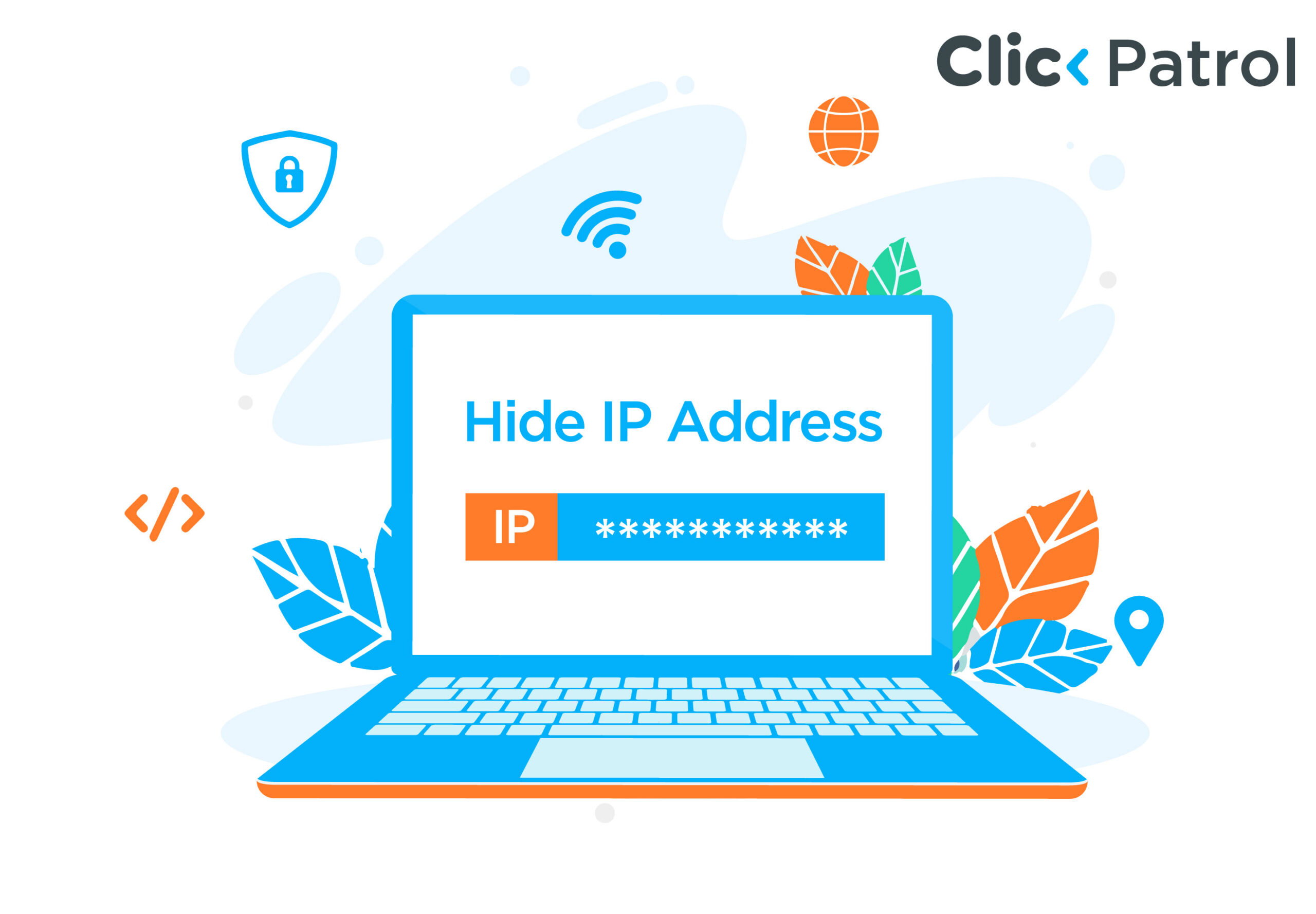
Web scraping in the digital space has become a growing concern for businesses that rely on proprietary content.
Unauthorized data extraction can lead to revenue loss, competitive disadvantages, and security vulnerabilities.
The DataDome report from 2023 indicates that malicious bots, particularly scrapers, account for 30% of internet traffic, resulting in annual losses of $100 billion for e-commerce businesses.
According to Statista, online sales reached a total of $5.2 trillion in 2021. Implementing effective anti-scraping measures is crucial to safeguarding digital assets.
This article examines practical strategies for preventing web scraping and safeguarding valuable content.
Understanding web scraping: How it threatens your content security
Web scraping is the automated extraction of data from websites using bots or scripts.
While it can be used for legitimate purposes, such as market research, malicious actors often deploy scrapers to steal intellectual property, repurpose content, or gain an unfair competitive advantage.
Risks associated with web scraping include:
- E-commerce data: Competing firms use web scraping technology to collect e-commerce information, including pricing data, inventory data, and customer review content.
- Creative works: Unethical Web users implement a range of actions to steal creative works by taking articles alongside images and videos to redistribute their content.
- Sensitive information: The aggregation of sensitive details through unauthorized login access serves as material for resale purposes.
Why you need an advanced defense strategy
Advanced modern scrapers require security measures that extend beyond conventional methods.
According to a Qrator Labs report, the bot system GPTBot generates excessive server requests, triggering request volume peaks of up to 1000% on some sites.
The blocking technique used by ClickPatrol reveals that static blocks are ineffective in stopping rotating IPs, which account for 50 to 70% of scraping efforts.
A comprehensive defense system is essential because failing to defend your content can lead to significant business risks.
- Revenue loss: Pricing data theft enables competitors to undercut prices, thus causing revenue loss for the original owner.
- SEO damage: Your search engine rankings become less prominent because of duplicate content on your site.
- User experience decline: Page loading times lengthen due to the numerous bots that access the site.
Top tools for web scraping prevention and how to implement them
The 10 best web scraping defenses include:
1. Rate limiting: Throttle the flood
Rate-limiting versions of this security measure restrict IP addresses and user agents from sending more than 100 requests per scheduled time interval.
Scrapers' automated operations utilize an unusually high number of requests that exceed conventional human activity.
- Effectiveness: According to their reports, the introduction of rate limiting, as verified by Qrator Labs, resulted in a 90% to 100% reduction in server scraping operations from bots.
- Implementation: Utilize server-side tools such as NGINX or cloud services like Cloudflare.
- Best practice: Combining behavioral analysis provides the most effective solution for stopping the blocking of authentic users who share Internet Protocol addresses.
2. Use Robots.txt wisely
Whenever placed in the site root directory, the robots.txt file enables proper bots to understand which areas to skip, leading them to avoid sensitive data. Googlebot and other compliant crawlers respond best to this type of security measure.
- Pros: The setup process for this method occurs directly from your site’s home directory.
- Cons: Research by Human Security indicates that dangerous scrapers often disregard robots.txt files.
3. CAPTCHA challenges: Human vs. bot
Clients who want to prove they are humans should solve tests or answer questions through CAPTCHA systems such as reCAPTCHA, which operates under Google.
Adaptive versions of this system activate only when suspicious traffic conditions are detected.
- Statistic: ClickPatrol shows CAPTCHAs prevent unauthorized access and malicious behavior online.
- Strategy: Deploy on login pages or high-value content areas.
- Limitation: Using CAPTCHA-solving services by advanced scrapers leads to increased operational costs for their operation.
4. Web Application Firewalls (WAFs): A digital shield
WAFs evaluate incoming requests to stop suspicious activity from scrapers that exhibit patterns of multiple requests or use suspicious user agents.
- Impact: By implementing unique rules on their WAFs, the industry documented a 70% decrease in scraping throughout their systems.
- Tools such as Cloudflare, AWS WAF, and Sucuri offer scalable options.
- Maintenance: Rules need continuous updates to face emerging bot strategies during maintenance.
5. HTML Obfuscation and JavaScript rendering: Hide in plain sight
Scrapers operate because they depend on well-predictable structures found within HTML documents.
Extracting data becomes more complicated when websites randomize their class names or display content through JavaScript implementations such as AJAX calls.
- Benefit: Jscrambler indicates that its approach makes scraping 60% more difficult.
- SEO: To maintain search engine visibility of your content, utilize the Google Fetch tool before implementing changes.
- Use case: The use case for dynamic data protection, such as pricing, aligns perfectly with this method.
6. IP monitoring and blocking: Stop known offenders
Your platform should monitor and block scraping IP addresses by using blacklists from FireHOL.
- Success rate: ClickPatrol's real-time updates system reveals that it successfully prevents between 50% and 70% of attempted intrusions.
- Challenge: VPN bots and botnets require additional identification techniques, known as fingerprints, to operate successfully.
- Tool: Integrate with a Web Application Firewall (WAF) or Content Delivery Network (CDN) for automation.
7. Bot management platforms: AI-powered precision
ClickPatrol's AI-powered protection systems and advanced Bot Protection evaluate user behavior, device fingerprints, and traffic information, allowing immediate scraper intervention.
- Accuracy: ClickPatrol establishes itself as an industry leader through its 100% compliance with GDPR and CPPA laws, excellent detection rates, and 100% conversion guarantee.
- Features: This platform offers real-time blocking capabilities and includes bot scoring functions and analytics features.
- Investment: Free trial, flexible, and ideal for high-stakes sites and small businesses.
8. Legal protections: Enforce your rights
Include a Terms of Service (ToS) restriction against scraping alongside plans to take legal action against the violators.
The 2022 9th Circuit decision made it clear that public data scraping does not violate the CFAA; however, it becomes illegal when users use harvested, copyright-protected material.
- Step: Begin by sending notice through cease-and-desist letters or filing DMCA takedowns.
- Example: The retail giant Walmart, along with others, has validated its rights by taking legal action against data thieves.
- Support: The support strategy requires integration with additional technical methods to achieve complete defense.
9. Honeypots: Trap the intruders
The combination of false information known as honeypots, which bots cannot help but follow but humans never detect, is an effective security measure.
- Effectiveness: According to Verpex, using honeypots yields a successful capture rate of between 30% and 50% for basic bots.
- Setup: Add a hidden CSS link redirecting to a trap page.
- Bonus: Wastes scrapers’ time and resources.
10. Content Delivery Networks (CDNs): Edge-level defense
Many CDNs, such as Cloudflare and Akamai, enable global content distribution, decrease server traffic, and provide bot protection capabilities.
- Statistics: For daily operations, Cloudflare defends its platform against 1.1 billion bot requests in 2023.
- Perks: This system features rate-limiting functionality, CAPTCHAs, and IP-blocking measures.
- SEO: A website’s search engine ranking benefits from faster page load times because of SEO performance improvements.
Real-world examples of companies successfully implementing anti-scraping techniques
Cloudflare's AI Labyrinth
Cloudflare has introduced an innovative tool called AI Labyrinth to combat unauthorized web scraping, particularly by bots collecting data for AI training.
This free, opt-in feature directs scraping bots into an endless loop of AI-generated decoy pages, effectively consuming their resources and rendering their efforts futile.
Unlike traditional blocking methods, AI Labyrinth is a sophisticated honeypot that misleadingly attracts malicious bots while remaining invisible to human users.
Website administrators can enable this feature through their Cloudflare dashboard, enhancing their site's defense against unauthorized data extraction.
Building a secure digital presence
Preventing web scrapers from accessing proprietary content has become an essential strategy for protecting intellectual property in today's bot-dominated internet.
Coping with 30% traffic from malicious bots, which amounts to billions in losses, makes a comprehensive defense essential for protecting against such threats.
A protection system that extends to organizations becomes achievable through a strategic combination of rate-limiting protocols, CAPTCHAs, AI-powered bot management, and legal defense strategies.
Deploying defense frameworks will create security against threats while maintaining optimal SEO outcomes and delivering superior user experiences. Protect your website from web scraping attacks; Implement cutting-edge security solutions today!
FAQs
Q.1 Can CAPTCHAs stop all scrapers?
ClickPatrol confirms that CAPTCHAs effectively eliminate the majority of basic robots; however, sophisticated robots continue to maintain their ability to bypass these restrictions by utilizing solving services. Use them alongside other defenses.
Q. 2 In what manner does scraping impact my search engine optimization?
Duplication of content due to stolen material presents a risk of Google penalization. Fingerprint's testing demonstrated that 80% of sites that faced scraping incidents lost their usual volume of visitors.
Q. 3 What stands as the most successful method to defend against scraping?
It varies. However, with ClickPatrol, users will obtain perfect defense results, advanced monitoring, and a wide range of protection at affordable rates.