



They typically use bots or automation to follow public profiles in bulk, especially those using popular hashtags or engaging with viral content.
-
Solutions
By Challenge
-
 High CPC niches
Stop paying premium prices for fake clicks.
-
Declining Performance
Clean your data so the algorithm works again.
-
Junk Leads
Keep bots out of your CRM and pipeline.
-
Competitors Clicking
Block competitors from draining your budget.
By Role
-
Small Businesses
How ClickPatrol can help your business.
-
Agencies
How ClickPatrol can help your agency.
-
Brands
How ClickPatrol can help your brand.
-
-
About ClickPatrol™
-
About ClickPatrol™
Who are we and read about our mission.
-
Affiliate Program
Sign-up for our affiliate program, we love to partner up with you.
-
Request Demo
Fill in this form to receive a demo and more information.
-
-
Resources
-
FAQ
Everything you need to know & answers to all the common questions.
-
Case Studies
See why agencies and business owners use ClickPatrol to protect their ads.
-
Customer Reviews
Customer Reviews and Success Stories of the ClickPatrol community.
-
Tools
Tools published by ClickPatrol & Friends.
-
Blog
Read articles and guides by our expert content team.
-
- Pricing
- Sign in
- Start My Free 7-Day Trial
Why do fake or inappropriate Instagram accounts follow you? (+ How to stop them)
Abisola Tanzako | Jul 01, 2025

Table of Contents
- Why do fake Instagram accounts follow you?
- How does Instagram detects fake followers?
- Top tools to detect and manage fake Instagram followers
- What is the goal of inappropriate accounts?
- Are these accounts dangerous?
- How to identify an inappropriate or fake account
- How to block and prevent fake followers on Instagram
- Long-term solutions to protect your Instagram space
- You are not alone, and you are not the problem
Reports suggest that a significant percentage of Instagram users are bot accounts. Statista reports on Instagram’s global success, noting its large monthly active user base, including 413 million in India.
Instagram has become a digital haven for sharing life’s highlights, building brands, promoting causes, and engaging communities.
But amid the selfies, stories, and reels, many users experience an unsettling trend: inappropriate accounts, often spammy, fake, or sexually suggestive, suddenly start following them.
This guide explains why fake accounts follow you, the risks they pose, and how to stop them.
Why do fake Instagram accounts follow you?
Let’s break down the common reasons inappropriate accounts might follow you, even when you have not done anything to attract them.
- You have a public account: The most straightforward reason is that your account is public. This means that anyone, whether real or fake, can view your content and follow you without your permission. Public profiles are low-hanging fruit for bots and inappropriate users seeking to rapidly expand their outreach.
- You have used popular or generic hashtags: Hashtags like #love, #fitness, #travel, #followforfollow, or #instagood are heavily trafficked and often targeted by bots and fake accounts looking to interact broadly. These hashtags do not screen for intent; anyone can view your post, and automated systems often follow those who use them.
- Bots are part of mass-follow campaigns: Many fake accounts run on automation software or scripts that follow thousands of users per day. This tactic, known as mass following, is designed to: Prompt users to check out their account (curiosity or auto-follow back), Increase visibility for their content, links, or services, Trigger engagement through algorithms and since bots often follow accounts randomly or based on hashtags, location, or follower lists, you could be caught in their net even if you have never engaged with them.
- You have recently engaged with a viral post or account: Sometimes, engaging with a viral reel, commenting on a trending post, or liking content from popular accounts can increase your profile’s visibility. Bots often scan comments or likes sections to find active users to follow.
- Your bio, profile photo, or content is being misinterpreted: Even if your content is appropriate, bots lack human judgment. Certain words in your bio, captions, or even emojis might be falsely associated with adult or marketing themes. For example: Using emojis like 🍑 or 💦 humorously, having phrases like “DM me,” “Let’s connect,” or “Open-minded,” or including links in your bio
How does Instagram detects fake followers?
Instagram detects fake followers by analyzing patterns that show whether an account behaves like a real person or like a bot.
The platform uses automated systems and machine learning to monitor accounts, interactions, and growth patterns.
When something looks unnatural, the system flags or removes those accounts. Here are the main ways Instagram detects fake followers:
Unusual follower growth
One of the first things Instagram looks at is sudden spikes in followers. For example, if an account gains 10,000 followers overnight without viral content or publicity, the system sees that as suspicious.
Real follower growth usually happens gradually through engagement, posts, or shares. Accounts that grow too quickly may be reviewed, and fake accounts can be removed.
Bot-like activity patterns
Fake accounts usually behave differently from real users. Instagram monitors actions such as:
- Following hundreds of accounts in a short time
- Liking thousands of posts within minutes
- Commenting the same message repeatedly
- Logging in from multiple locations very quickly
These patterns are typical of automated bots rather than human users.
Low or no engagement
Another signal is engagement quality. If an account has 50,000 followers but only gets 20 likes, the system may detect that many of those followers are inactive or fake.
Fake accounts rarely interact with posts in meaningful ways. Instagram compares follower count with real engagement to identify suspicious accounts.
Profile quality signals
Instagram also reviews profile details to determine authenticity. Fake accounts often have:
- No profile picture
- Random usernames with numbers
- No posts or only a few posts
- Very short or copied bios
When many of these signals appear together, the system may classify the account as suspicious.
Repeated use of automation tools
Some services sell followers or automate engagement using bots. When Instagram detects accounts connected to these tools, it may:
- Remove fake followers
- Limit account reach
- Temporarily block actions
- Suspend or delete accounts
Mass account creation detection
Instagram also monitors how accounts are created. Fake follower farms usually create thousands of accounts using the same:
- IP addresses
- Email patterns
- Device fingerprints
When these patterns appear, Instagram can remove those accounts in large batches.
Top tools to detect and manage fake Instagram followers
Here is a streamlined list of top tools to detect and manage fake Instagram followers, ideal for influencers, marketers, and brands:
HypeAuditor
- What it does: Analyzes audience quality, engagement rates, and follower authenticity.
- Best for: Influencer marketing and detailed audience analytics.
- Bonus: Provides a “fraud score” to help filter out fake or inactive followers.
Modash
- What it does: Detects fake followers and provides real-time audience insights.
- Best for: Brands working with influencers across Instagram, TikTok, and YouTube.
- Bonus: Scans over 250 million profiles for authenticity.
IG Audit
- What it does: Free tool that estimates the percentage of real vs. fake followers on public accounts.
- Best for: Quick audits that don’t require account access.
- Bonus: Great starting point for basic detection.
Social Blade
- What it does: Tracks follower growth and engagement trends over time.
- Best for: Spotting unusual spikes in followers or likes.
- Bonus: Useful for performance monitoring beyond fake follower detection.
FollowerCheck
- What it does: Scans for bots, inactive followers, and suspicious engagement patterns.
- Best for: Users who want an easy interface and detailed follower reports.
- Bonus: Offers bulk audits and downloadable reports.
SpamGuard
- What it does: Automatically identifies and removes fake or inactive followers.
- Best for: Maintaining a clean follower base without manual checks.
- Bonus: Also filters spammy comments and follows.
What is the goal of inappropriate accounts?
Understanding why they follow you can help you feel less personally targeted and more empowered to respond appropriately. Here are their common goals:
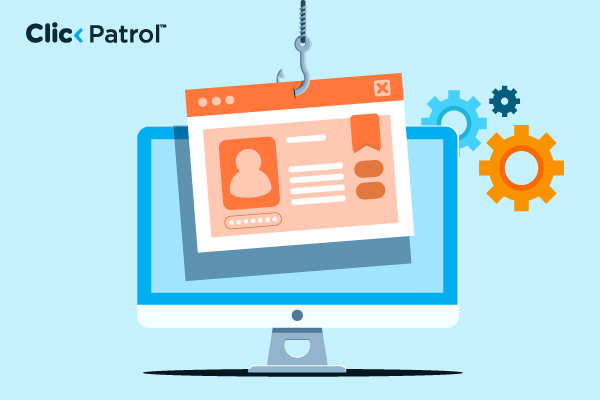
- Clickbait and link promotion: Many of these accounts want you to click on a link in their bio or story. These links might lead to adult content, phishing pages, or malware. The strategy? Lure you with attractive images, fake DMs, or suggestive bios, hoping you’ll fall for curiosity.
- Impersonation or identity farming: Some accounts, either inappropriate or fake, follow real users to harvest public data, including photos, bios, and usernames, for later impersonation or cloning. This is more common with influencers, but regular users can also be targeted.
- Triggering engagement metrics: Bots often inflate engagement for real people or products. Following, you could be part of a scheme to make an account seem more active, boosting its chances in Instagram’s algorithm.
- Testing response behavior: Some fake accounts follow users to test who responds. If you reply, follow back, or interact with their DMs, your account may be flagged as “responsive,” which can attract even more bots.
Are these accounts dangerous?
Not all inappropriate followers are harmful, but many can pose real risks. Here’s what you need to watch for:
- Malicious links: Never click links from suspicious bios or messages. They could lead to scams or malware.
- Phishing attempts: Some may impersonate Instagram support and offer fake “verification” links.
- Reputation risks: If people see suggestive or spammy accounts in your follower list, it may impact how they perceive your account.
- Privacy threats: Public content (such as your photos, children, or location) can be viewed and saved by anyone, including bots or malicious actors.
How to identify an inappropriate or fake account
Some accounts are fake, but others might appear borderline or realistic. Here are signs to look for:
- Empty or suspicious bio (often with adult emojis or sketchy links)
- Zero or very few posts
- Unusual usernames (e.g., random letters and numbers)
- Thousands of followers with very few followers
- Generic or overly polished profile pictures (possibly stolen from elsewhere)
- Spammy comments on posts
- DMs that feel weird, salesy, or flirtatious
How to block and prevent fake followers on Instagram
Here’s how to take control of your Instagram experience:
Report the account
- Tap the profile
- Tap the three dots (top right)
- Select “Report”
- Choose a reason like “It’s inappropriate” or “Spam”.
Block the account:
Reporting is great, but blocking gives you immediate relief. It prevents the user from viewing your content or interacting with you.
Remove followers:
Go to your followers list
- Tap “Remove” next to the person.
Set your account to private:
If you are receiving frequent spam, consider switching to a private profile, especially if you don’t use Instagram for public branding or marketing purposes.
- Go to Settings
- Click on Privacy
- Then choose Private Account
Adjust your bio and hashtag usage:
Limit hashtags to those relevant to your niche. Avoid hashtags that attract spam. Consider revising your bio if you use emojis or language that could be misinterpreted.
Long-term solutions to protect your Instagram space
Instagram is working constantly to combat spam and inappropriate content, but you can also take a few proactive steps:
- Use two-factor authentication to secure your account
- Avoid third-party apps that claim to boost followers or likes
- Regularly audit your followers and remove questionable accounts
- Stay updated on Instagram’s community guidelines and privacy updates
You are not alone, and you are not the problem
Being followed by inappropriate accounts on Instagram can feel unsettling, confusing, or even embarrassing. But rest assured, it is not your fault.
These accounts often operate indiscriminately, targeting thousands of users per day based on broad triggers and automated scripts.
You gain back control by understanding how these accounts work, why they follow you, and what you can do.
Whether through better privacy settings, smarter hashtag use, or simply reporting and blocking, you can create a safer, more intentional Instagram experience.
You deserve to enjoy your digital space without interruptions from bad actors, and with a few adjustments, you absolutely can.
Frequently Asked Questions
-
Why do spammy or inappropriate Instagram accounts keep following me?
-
Are these accounts dangerous?
Some are harmless bots, but many pose risks, including phishing links, identity theft, and malware.
It’s best to block and report them.
-
Can switching to a private account stop this?
Yes.
When your profile is private, people must request to follow you, giving you full control over who sees your content.
-
Does using certain hashtags attract bots?
Yes.
Hashtags like #love, #instagood, #followme, or #sexy often attract bots and accounts with inappropriate content.
Use niche, specific hashtags instead.
-
Yes. Hashtags like #love, #instagood, #followme, or #sexy often attract bots and accounts with inappropriate content. Use niche, specific hashtags instead.
Report it, block it, and consider removing it as a follower. Avoid interacting with or clicking on any links.
- Chamber of Commerce: 71448519
- VAT: NL858719423B01

-
- Get Started
- Plans & Pricing
- Start Your Free Trial
- Book a Demo
- Sign in
-
- Partners
- Become Affiliate
- For Agencies
- For Brands
Trusted by 4,100+ websites worldwide