A VPN blocker for advertisers identifies and filters traffic from VPN servers, proxies, and anonymized networks before it reaches paid ads. It reduces fraudulent or invalid clicks that consume budget and distort campaign data. Effective blockers combine IP intelligence with behavioral scoring rather than banning every privacy-conscious user on a commercial VPN.
-
Solutions
-
 Click Fraud Protection
Block invalid clicks across every ad channel.
-
 Smart Bidding Protection
Feed Google clean, human-only signals.
-
 Clean Remarketing Audiences
Exclude suspicious traffic from your lists.
-
 All Features
Every ClickPatrol feature in one place.
-
 E-commerce & Retail
Protect shopping campaigns and product feeds.
-
 Service Providers
Stop wasted spend on local & lead-gen ads.
-
 Marketing Agencies
Classify, protect and train every client account.
-
 All Industries
Browse click fraud protection by industry.
-
 Small Business
Affordable protection that pays for itself.
-
 Enterprises
Scale protection across brands & accounts.
-
 Regional Companies
Keep local budgets on real, nearby buyers.
-
 Multinationals
Consistent protection across every market.
-
-
Agencies
-
For Agencies
Classify, protect and train every client account.
-
 Partner Program
Earn 15 to 25% recurring commission on linked clients.
-
 Case Studies
21 UK agencies unlocked over 6% media savings.
-
-
Resources
-
What is Click Fraud?
Learn what fake PPC clicks are and why they matter.
-
 Bot Traffic
Detect and block non-human clicks.
-
 Competitor Fraud
Stop rivals draining your budget.
-
 Sophisticated Fraud
Catch SIVT that native filters miss.
-
 Click Farms
Stop coordinated low-quality click operations.
-
 Invalid Traffic
Block every click that never converts.
-
 Help docs
How to connect Google Ads, GTM and other ad channels.
-
 FAQ
FAQ
Answers to the most common questions.
-
 Blog
Blog
Articles and guides from our expert team.
-
 Comparisons
ClickPatrol vs ClickCease and other tools.
-
 Tools
Tools
Free tools by ClickPatrol & Friends.
-
 About ClickPatrol™
Who we are and our mission.
-
Case Studies
Why agencies and businesses use ClickPatrol.
-
 Customer Reviews
Reviews and success stories from customers.
-
Partner Program
Join our affiliate & partner program.
-
 Contact us
Talk to our team about your ad traffic.
-
- Pricing
Free VPN blocker: How to stop VPN-masked click fraud before it wastes your budget
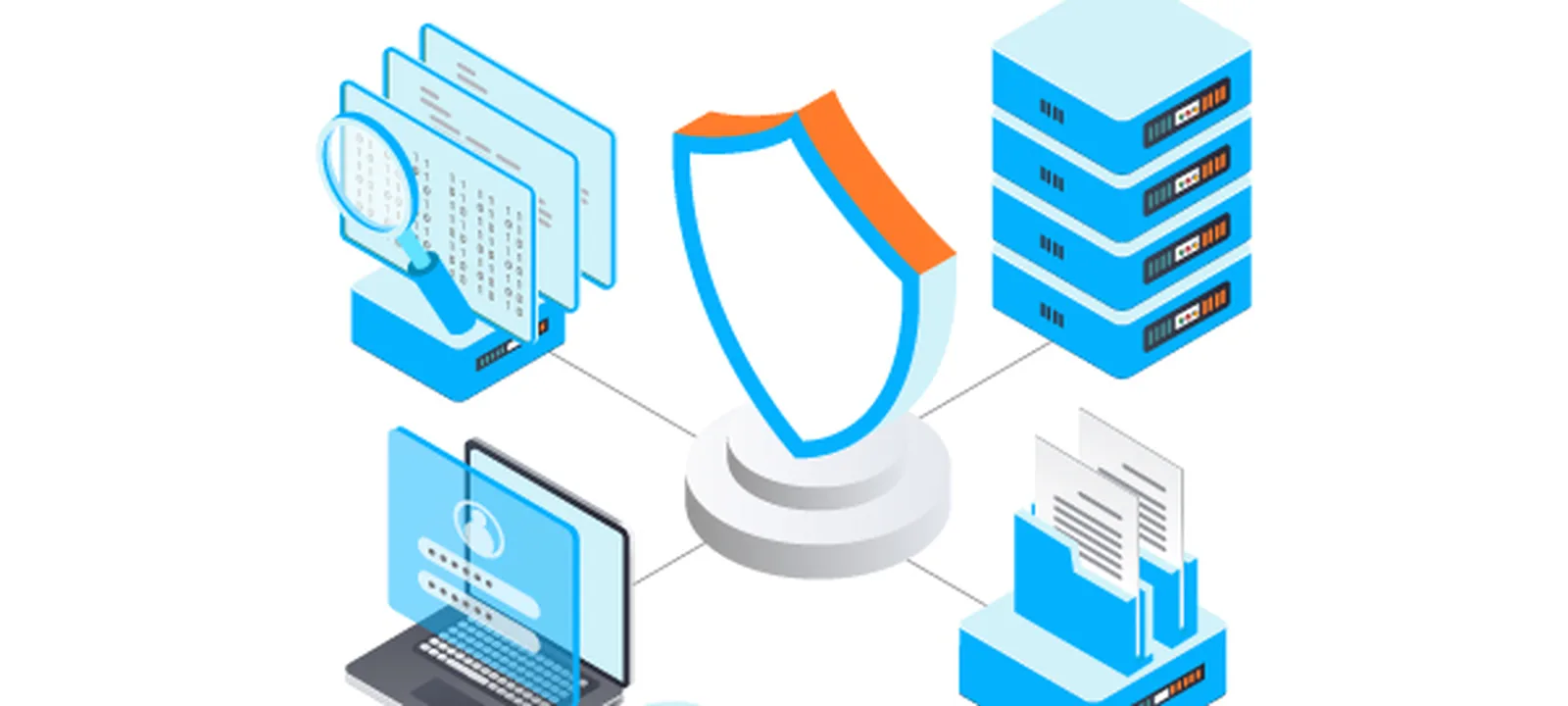
Free VPN blocker tools help advertisers detect and block traffic from known VPN servers, proxies, and other anonymised networks, reducing invalid clicks and protecting Google Ads budgets.
While they can filter many known threats, most rely on static IP databases and cannot detect sophisticated fraud such as residential proxies or AI-driven bots. This guide explains how free VPN blocker tools work, where they fall short, and when more advanced protection becomes worthwhile.
What is a VPN blocker, and why do advertisers need one?
A VPN blocker is a tool that detects and filters traffic coming from VPN servers, proxies, and other anonymising networks before it reaches your ads. For advertisers, the goal is not to stop people from using VPNs but to prevent VPN-masked traffic from generating fraudulent clicks, distorting conversion data, and wasting ad spend.
This has become increasingly important as ad fraud losses are expected to exceed $100 billion annually by 2025 and reach $172 billion by 2028. Without a VPN blocker, campaign data becomes less reliable, conversion rates suffer, and automated bidding systems may optimize based on fraudulent signals rather than genuine user behaviour.
How does VPN traffic affect your Google Ads campaigns?
VPN and proxy traffic can hurt your campaigns by wasting budget on non-converting clicks, distorting the data your bidding strategy relies on, and lowering Quality Score over time.
For example, a legal services firm spending $8,000 per month on Google Ads saw clicks increase over six weeks while leads remained flat. An investigation revealed many clicks came from outside its service area, with sessions lasting less than three seconds.
Smart Bidding strategies such as Target CPA, Target ROAS, and Maximize Conversions rely on clean data. When VPN-masked invalid traffic generates false engagement signals, the algorithm can prioritise low-value clicks, driving up costs and reducing lead quality.
A drop in Quality Score from 7 to 5 can increase CPCs by 25–50%, adding thousands in unnecessary ad spend for high-budget advertisers.
What are residential proxies, and why are they harder to detect?
Residential proxies route bot traffic through real home IP addresses instead of data centres, making fraudulent clicks appear to come from legitimate users. Unlike data centre IPs, which are easy to identify and block, residential IPs belong to real households and change constantly, leaving few obvious patterns to detect.
Modern AI-driven bots make detection even harder by mimicking human behaviour with realistic scrolling, mouse movements, and varied session times. And because free VPN blockers primarily rely on publicly available IP databases, they often fail to detect this increasingly common type of fraud.
Why are free VPNs themselves a fraud risk for advertisers?
The risk is not just that fraudsters use VPNs. Some malicious free VPN apps can turn users' devices into proxy servers without their knowledge, allowing attackers to route fraudulent traffic through real residential IP addresses.
One investigation uncovered a network of 19 million compromised IP addresses across more than 190 countries that was later used for cybercrime. In 2024, detections of malware-infected fake VPN apps increased 2.5 times in Q3, and U.S. authorities dismantled a botnet linked to at least 18 bogus VPN apps.
For advertisers, this means fraudulent clicks can appear to come from genuine residential users, making them extremely difficult for standard detection systems to identify.
What are the best free VPN blocker options for advertisers?
Free tools can help reduce basic exposure to VPN and proxy traffic, but none provide complete protection.
- Manual IP exclusion lists: Google Ads allows IP exclusions at the campaign level, enabling you to block known VPN and data centre IP addresses. This is free and effective against documented threats, but it requires ongoing maintenance and cannot stop traffic from residential proxies or frequently changing IPs.
- Project Honey Pot: A free, community-driven database of suspicious IP addresses. It can help identify known proxy and VPN IPs but does not integrate directly with Google Ads or provide real-time protection.
- IPHub (free tier): Classifies IP addresses as residential, hosting, or proxy/VPN. The free tier has request limits and is best suited for investigating suspicious IPs rather than blocking traffic automatically.
- Fraudlogix: Detects fraud signals, including proxy and VPN usage, botnet activity, device spoofing, and abnormal behaviour. It is primarily a paid enterprise solution, although trial or demo access may be available.
- Google's built-in invalid traffic detection: Google automatically filters many invalid clicks and does not charge advertisers for traffic it identifies as invalid. If additional invalid traffic is detected after billing, Google applies credits where appropriate. However, sophisticated threats, including residential proxy traffic, slow-drip fraud, and clicks from legitimate residential devices, may not always be detected, which is why many advertisers use additional fraud detection tools.
What can free tools not detect, and why does that gap matter?
Most free VPN blockers work by checking incoming IP addresses against a database of known VPN servers and data centres. That works reasonably well for traffic routing through commercial VPN infrastructure. It breaks down when:
- Traffic routes through residential proxies using real ISP-assigned addresses.
- Fraudsters rotate IPs faster than public databases are updated.
- Click behaviour mimics that of genuine users, with realistic session timing and movement.
- Compromised consumer devices generate traffic indistinguishable from organic browsing.
These techniques make fraudulent traffic much harder to distinguish from legitimate visitors, reducing the effectiveness of static IP blocklists alone. This gap exists because click fraud has evolved beyond simple IP-based attacks.
While blocking known data centre IPs can still stop some invalid traffic, modern fraud increasingly relies on residential proxy networks and sophisticated bots designed to evade traditional detection methods.
As a result, advertisers running higher-budget campaigns often supplement free tools with dedicated fraud-detection solutions that analyse behavioural signals, device characteristics, and traffic patterns, in addition to IP addresses.
How does Google detect VPN traffic, and why is it not enough?
Google detects some VPN and proxy traffic by analysing IP reputation, device signals, account activity, and behavioural patterns. It automatically filters many invalid clicks and does not charge advertisers for traffic it identifies as fraudulent.
However, no automated system catches everything. Sophisticated threats, such as residential proxy traffic, AI-driven bots, and competitor clicks from legitimate devices, can still appear genuine.
For advertisers running larger campaigns, Google's built-in protections are often supplemented with dedicated click-fraud detection tools.
Who needs a VPN blocker?
Not every advertiser faces the same level of risk. Exposure tends to be highest in these situations:
- High-CPC industries: Legal, finance, insurance, and healthcare campaigns attract the most aggressive click fraud because competitors and click farms follow budget concentration. Advertisers in these sectors lost around 15% of their spend to fraud in 2024.
- Lead generation campaigns: Invalid clicks distort lead-quality data and corrupt Smart Bidding signals, making it progressively harder to optimise for real conversions.
- Ecommerce: High click volumes across product campaigns create more surface area for bot traffic to blend in undetected.
- Local service businesses: Smaller budgets mean less tolerance for waste. Losing even 10% of spend to invalid traffic can have a visible impact on monthly returns.
- PPC agencies: Managing multiple client accounts increases exposure across the board, and a single undetected fraud pattern can affect several campaigns simultaneously.
How do you detect VPN traffic in your campaigns?
Start with your existing data. Suspicious VPN and proxy traffic leaves recognisable patterns across your Google Ads and Analytics reports. VPN traffic detection checklist:
- Clicks are rising, but conversions remain flat or are declining.
- Traffic is coming from locations outside your targeting setup.
- Session durations are very short, under five seconds, with high bounce rates.
- Your daily budget is being exhausted earlier than expected.
- CTR is increasing, but cost per acquisition is also rising.
- Google Ads location data and Google Analytics location data show significant mismatches between clicks and meaningful sessions.
How do free and paid VPN blocker tools compare?
Feature | Free tools (manual IP lists, IPHub, etc.) | Paid automated detection |
|---|---|---|
Setup time | 30–60 minutes, manual | Minutes, automated |
Requires ongoing updates | Yes, manually | No, continuous |
Detects data centre IPs | Yes | Yes |
Detects residential proxies | No | Yes |
Behavioural fraud detection | No | Yes |
Real-time Google Ads integration | No | Yes |
False positive risk | Moderate to high | Low |
Reporting visibility | Limited | Detailed dashboards |
Best suited for | Small budgets, low-competition campaigns | Medium to large budgets, all campaign types |
Cost | Free | Paid subscription |
What should a VPN blocker tool actually include?
Whether evaluating free or paid options, these are the capabilities that separate effective tools from ones that offer only a surface-level defence:
- Real-time detection: Fraud evolves daily. A tool updating its database weekly is already operating on outdated information.
- Residential proxy detection: This is the single most important gap in free tools. If a solution only checks against data centre IP lists, it misses the hardest-to-detect tier of fraud.
- Behavioural analysis: IP classification alone is insufficient. Effective tools assess click timing, session depth, repeat patterns, and interaction quality, not just where the click came from.
- Automated Google Ads integration: Manual exclusion lists require constant attention. Automation closes the window during which fraud accumulates between updates.
- Transparent reporting: You should be able to see exactly which IPs or traffic sources were flagged, what signals triggered the flag, and what action was taken.
Takeaway: when free tools are enough, and when they are not
Free VPN blocker tools are a practical starting point, and for some accounts, they are sufficient. The decision framework is straightforward:
- Small account, low competition: start with manual IP exclusion lists and monitor your analytics regularly.
- Medium account or growing budget: add a lightweight detection layer and review IP patterns every week.
- Large account or high-CPC industry: automated, real-time protection with residential proxy detection is necessary to avoid compounding losses.
The cost of relying solely on free tools is not just the budget lost to fraud today. It is the compounding damage to Smart Bidding accuracy, Quality Score, and campaign data integrity over time.
Invalid traffic left unchecked does not stay still; it trains your campaigns to chase the wrong results.
Frequently Asked Questions
What is a VPN blocker for advertisers?
Which free VPN blocker suits Google Ads?
Manual IP exclusion using public VPN and datacenter lists is the most accessible free option inside Google Ads. IPHub's free tier helps investigate suspicious IPs. Fraudlogix offers limited free detection signals. Free lists require frequent updates and miss residential proxy fraud, but they provide a starting point for accounts with tight budgets.
Are free VPN blockers effective?
Free tools can block known datacenter IPs and documented VPN infrastructure, but they rarely detect residential proxy traffic, behavioral fraud, or slow-drip bot patterns. They suit small audits and emergency exclusions. Advertisers spending at scale usually need automated scoring that updates faster than static spreadsheets and integrates directly with live campaign data.
Does Google Ads block VPN traffic automatically?
Google filters some invalid clicks automatically, yet systems miss residential proxy bots, slow-drip fraud, VPN-masked sessions, and competitor clicks from real devices. Advertisers receive credits for confirmed invalid activity, but credits do not restore campaign data already polluted by fraudulent clicks. Supplement Google's filters with placement reviews and session-level monitoring.
Do VPNs affect Smart Bidding?
Yes. When bots or low-intent users click through VPNs, Smart Bidding may treat them as genuine interest and raise bids on similar traffic. Over time cost per lead rises while lead quality falls. Cleaning VPN-heavy junk clicks early prevents bad patterns from embedding in conversion models that are hard to unwind later.
Should I block every VPN user?
No. Many legitimate users, including remote workers and privacy-conscious consumers, browse with reputable paid VPNs. Blocking all VPN traffic excludes real prospects. Focus on fraudulent intent: repeated clicks, datacenter hops, and zero-engagement sessions. Behavioral analysis beats blanket VPN bans for most advertisers who still want privacy-minded buyers in their funnel.

Written & reviewed by
Abisola Tanzako
Content Manager, ClickPatrol (click fraud & invalid-traffic specialist)
Abisola covers bot traffic, ad fraud and PPC protection, drawing on ClickPatrol platform data from 1,793+ businesses.
Last updated: 6 October 2026