


New regions often lack historical exclusion data, and broader targeting settings make campaigns visible to international botnets and click farms.
- Solution for
-
About ClickPatrol™
-
 About ClickPatrol™
Who are we and read about our mission.
-
Affiliate Program
Sign-up for our affiliate program, we love to partner up with you.
-
Request Demo
Fill in this form to receive a demo and more information.
-
-
Resources
-
FAQ
Everything you need to know & answers to all the common questions.
-
Case Studies
See why agencies and business owners use ClickPatrol to protect their ads.
-
Customer Reviews
Customer Reviews and Success Stories of the ClickPatrol community.
-
Blog
Read articles and guides by our expert content team.
-
- Pricing
- Sign in
- Start My Free 7-Day Trial
Scaling Global PPC: Protecting Multi-Region Campaigns From Ad Fraud
Abisola Tanzako | Mar 02, 2026
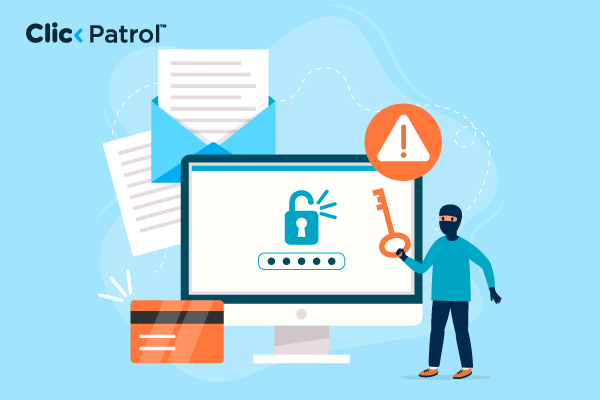
Expanding paid search or social campaigns into new geographical territories involves more than just translating ad copy. It introduces a specific vulnerability: region-based invalid traffic (IVT). When advertisers open up targeting to new international markets, or even broader regions within domestic campaigns, they frequently encounter sophisticated botnets designed to drain localized budgets before genuine data accumulates.
Table of Contents
The Geography of Ad Fraud
Scaling requires a granular approach to location settings. Broad targeting (e.g., targeting ‘Europe’ or ‘Asia-Pacific’ as a single entity) invites click farms that operate out of low-cost regions to simulate traffic in high-value regions via VPNs and residential proxies. To combat this, advertisers must strictly separate campaigns by country or distinct region rather than grouping them. This isolation allows for the immediate identification of anomalies in Click-Through Rates (CTR).
- Segregate Budgets: Never pool budget across regions with vastly different Cost Per Clicks (CPCs). This prevents cheap, fraudulent traffic from consuming budget meant for premium markets.
- Exclude Known Bot Hubs: Proactively block data centers and hosting providers often used for location spoofing.
- Language Consistency: Ensure the user’s browser language matches the targeted region’s primary language settings to filter out non-native bot traffic.
Strategic Localization as a Filter
Fraudsters often look for generic setups. A landing page that dynamically swaps currency but retains English text for a non-English audience is a red flag for poor user experience, but it is also a beacon for bots looking for low-hanging fruit. High-quality, fully localized assets tend to repel low-sophistication bots that rely on scraping generic operational footprints. If the conversion event requires complex, localized interaction, botnets struggle to complete the funnel.
The ClickPatrol Analysis: Velocity Checks
While standard advice suggests monitoring IP addresses, the most effective immediate defense during a scale-up is monitoring traffic velocity. Real human traffic scales linearly with impressions and market awareness. Bot traffic scales exponentially.
If a new region is launched and hits daily budget caps within the first hour with a near-zero conversion rate, do not assume high demand. Assume an attack. Implement strict frequency capping immediately. Furthermore, cross-reference the physical location data provided by the ad platform against the IP location. If Google Ads reports a user in ‘London’ but the IP resolves to a data center in a different jurisdiction, that is invalid activity that must be filtered out before it impacts your Quality Score.
Frequently Asked Questions
-
Why does scaling to new regions increase fraud risk?
-
Should I group multiple countries in one campaign?
No. Segregate countries by campaign to isolate budget and performance data. This prevents fraud in one region from draining the budget of another.
-
What is the first sign of regional ad fraud?
A sudden spike in traffic velocity where daily budgets are exhausted rapidly with little to no conversion activity is a primary indicator.
-
What immediate action should I take for suspicious regions?
Pause the specific location target, review the geographic report for user location vs. physical location discrepancies, and tighten location options to ‘Presence’ only.
-
How does ClickPatrol help with multi-region scaling?
ClickPatrol detects and blocks non-human traffic sources and VPN users in real-time, ensuring your expansion budget is spent on actual potential customers.



- Chamber of Commerce: 71448519
- VAT: NL858719423B01

-
- Get Started
- Plans & Pricing
- Start Your Free Trial
- Book a Demo
- Sign in
-
- Partners
- Become Affiliate
- For Agencies
- For Brands
Trusted by 4,100+ websites worldwide