


CTV has high CPMs and a fragmented technical infrastructure, making it a primary target for sophisticated fraud like SSAI spoofing. Verification ensures you pay for real human views.
- Solution for
-
About ClickPatrol™
-
 About ClickPatrol™
Who are we and read about our mission.
-
Affiliate Program
Sign-up for our affiliate program, we love to partner up with you.
-
Request Demo
Fill in this form to receive a demo and more information.
-
-
Resources
-
FAQ
Everything you need to know & answers to all the common questions.
-
Case Studies
See why agencies and business owners use ClickPatrol to protect their ads.
-
Customer Reviews
Customer Reviews and Success Stories of the ClickPatrol community.
-
Blog
Read articles and guides by our expert content team.
-
- Pricing
- Sign in
- Start My Free 7-Day Trial
Connected TV Ad Verification: Protecting High-CPM Inventory From Botnets
Abisola Tanzako | Feb 26, 2026
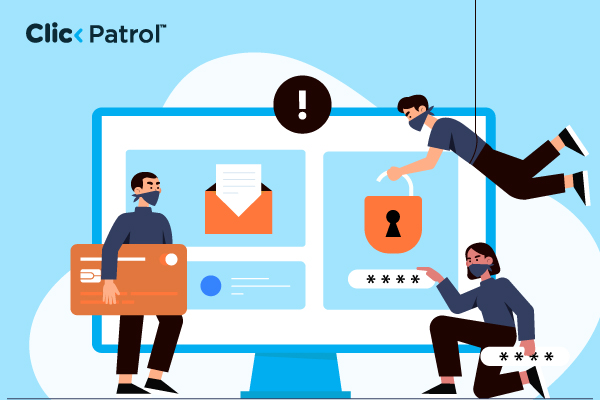
As programmatic budgets aggressively shift toward Connected TV (CTV), the definition of ‘viewability’ is facing its toughest stress test. The days of trusting publisher-reported metrics are over. With premium CPMs averaging significantly higher than display, the CTV environment has become a goldmine for ad fraud, specifically through server-side ad insertion (SSAI) spoofing and ‘continuous play’ exploitation. If you are buying CTV inventory without independent verification, you are likely funding sophisticated bot operations rather than reaching actual households.
Table of Contents
The Opacity of the Supply Chain
Unlike the web, where pixels and cookies have historically provided (albeit imperfect) tracking, the CTV environment is fragmented and cookie-less. This technical limitation creates a blind spot that fraudsters exploit. The core issue lies in the verification gap: advertisers often receive reporting that confirms an ad was delivered, but lacks definitive proof that it was rendered on a screen with a human present.
We are seeing three primary vectors of invalid traffic (IVT) in this space:
- SSAI Spoofing: Botnets mimic the server-side ad insertion process, signaling to the DSP that an ad was stitched into a video stream when no stream actually occurred.
- Continuous Play: Streaming apps that continue running content (and ads) long after the TV set has been turned off.
- Geo-masking: Traffic originating from low-cost regions disguised as premium residential IP addresses in high-value markets.
Moving Beyond ‘Delivery’ Metrics
Standard delivery metrics–impressions and completion rates–are insufficient proxies for success in CTV. A bot can easily fire a ‘100% complete’ beacon. The industry is now forced to adopt attention metrics and independent third-party verification to confirm valid delivery. This shift is not merely about optimization; it is a financial necessity to prevent budget hemorrhage on non-existent audiences.
The ClickPatrol Analysis: Auditing Your Stream
For PPC managers and programmatic buyers, relying on the DSP’s default fraud filter is no longer a viable strategy for CTV. The financial stakes are too high. To secure your budget, you must audit your supply path aggressively.
Immediate Action Items:
- Demand Log-Level Data: Do not accept aggregated reports. You need raw data to analyze IP addresses and timestamps for patterns indicative of bot farms (e.g., impossible viewing durations).
- Implement Exclusion Lists: Just as you exclude junk placements in Display, you must actively manage exclusion lists for CTV apps that show high click rates (which are often accidental or fraudulent on TV interfaces) or anomalous completion rates.
- Verify the Verifier: Ensure your measurement partner is accredited specifically for CTV environments, not just general digital video. The technical signals are distinct, and web-based verification code often fails to execute properly in a CTV app environment.
Frequently Asked Questions
-
Why is verification critical for CTV ads?
-
What is SSAI spoofing?
Server-Side Ad Insertion (SSAI) spoofing occurs when fraudsters manipulate server signals to make it look like an ad was stitched into a video stream, even though no video was played.
-
Does this impact my ad budget?
Yes. Without verification, a significant percentage of your CTV budget may be wasted on invalid traffic (bots) or ads playing to empty rooms (TV off), inflating your CPA.
-
What action should I take immediately?
Implement third-party verification specifically designed for CTV, demand log-level data transparency, and scrutinize inventory sources for anomalous patterns.
-
How does ClickPatrol help here?
ClickPatrol helps identify and block invalid click activity and non-human traffic sources that often plague programmatic campaigns, protecting your budget from botnets.




- Chamber of Commerce: 71448519
- VAT: NL858719423B01

-
- Get Started
- Plans & Pricing
- Start Your Free Trial
- Book a Demo
- Sign in
-
- Partners
- Become Affiliate
- For Agencies
- For Brands
Trusted by 4,100+ websites worldwide