


Bots generate fake clicks and form fills, tricking algorithms into thinking the traffic is high-quality, which causes the platform to allocate more budget to those fraudulent sources.
- Agencies
-
About ClickPatrol™
-
 About ClickPatrol™
Who are we and read about our mission.
-
Affiliate Program
Sign-up for our affiliate program, we love to partner up with you.
-
Request Demo
Fill in this form to receive a demo and more information.
-
-
Resources
-
FAQ
Everything you need to know & answers to all the common questions.
-
Case Studies
See why agencies and business owners use ClickPatrol to protect their ads.
-
Customer Reviews
Customer Reviews and Success Stories of the ClickPatrol community.
-
Blog
Read articles and guides by our expert content team.
-
- Pricing
- Sign in
- Start Your Free 7-Day Trial
Ad Fraud Reality Check: Why Your Top-Performing Campaign Could Be Fake
Abisola Tanzako | Feb 16, 2026
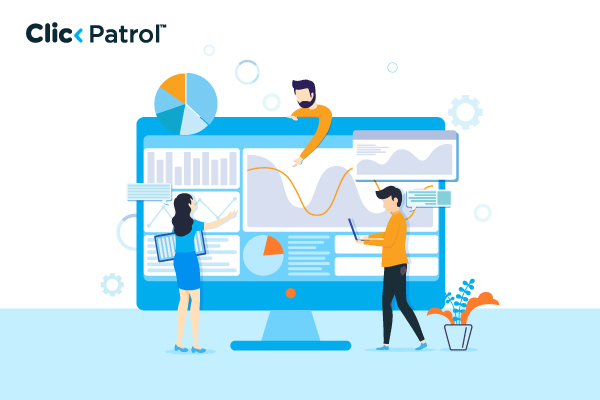
Advertisers celebrating sudden spikes in campaign efficiency need to pause and audit their traffic immediately. Emerging data confirms a disturbing trend in the PPC ecosystem: campaigns boasting the highest engagement metrics are frequently the primary targets for sophisticated botnets. If you are not actively filtering invalid traffic, your best-performing asset might actually be a liability draining your ad spend.
Table of Contents
The Illusion of High Performance
For years, media buyers have been trained to optimize for high Click-Through Rates (CTR) and low Cost-Per-Acquisition (CPA). However, bad actors have evolved. Modern botnets do not just spam clicks; they replicate human behavior to evade standard detection filters.
When an automated script interacts with your ad, it can artificially inflate performance data. To the algorithm — whether it is Google’s Smart Bidding or Meta’s Advantage+ — this activity looks like a winning signal. The algorithm then doubles down, allocating more budget to the fraudulent source because it believes it is finding high-intent users. In reality, it is optimizing for fraud.
Signs Your Campaign is Compromised
If you see a campaign outperforming historical benchmarks by a wide margin without a clear catalyst (like a sale or seasonal event), treat it with suspicion. Specific indicators include:
- Abnormal CTR Spikes: Click-through rates exceeding industry standards by 200-300% are rarely organic.
- Ghost Conversions: Form fills that lead to disconnected numbers, bouncing emails, or nonsense data.
- Session Duration Anomalies: Users who spend either 0 seconds or an exact, repeated amount of time on the landing page.
The ClickPatrol Analysis: Audit Your Downstream Metrics
The danger here is not just wasted spend; it is data poisoning. When ad platforms ingest fake signals, they warp your attribution models. Here is how to verify if your star campaign is legitimate:
1. Validate Lead Quality Offline
Stop looking at the dashboard. Talk to your sales team. If the ‘conversions’ from a specific campaign have a 0% connect rate or fail to move to the ‘Opportunity’ stage in your CRM, shut the campaign down immediately. The disconnect between ad platform data and CRM reality is the smoking gun for bot traffic.
2. Check Geographic Consistency
Drill down into the ‘User Location’ reports (not just ‘Target Location’). Bot farms often route traffic through data centers. If you see high volumes of traffic coming from a single small town or an unexpected region relative to your service area, you are likely paying for click farm activity.
3. Segment by Device
Bots often utilize older mobile device emulators. If 90% of your traffic is coming from a specific, outdated Android version or a Linux desktop environment, this is a strong indicator of non-human traffic.
Frequently Asked Questions
-
How do bots mimic high-performing campaigns?
-
Does Google Ads catch this type of fraud?
Google filters known General Invalid Traffic (GIVT), but sophisticated botnets (SIVT) often mimic human behavior well enough to bypass standard platform filters.
-
What is the long-term risk of bot traffic?
Beyond immediate budget loss, bot traffic poisons your data, causing automated bidding strategies to optimize for fake users rather than real customers.
-
How can I verify if my leads are real?
Cross-reference ad data with CRM data. If leads from a specific campaign never answer the phone or reply to emails, the traffic source is likely invalid.
-
How does ClickPatrol help here?
ClickPatrol detects and blocks invalid traffic in real-time, preventing bots from draining your budget and skewing your performance data.


- Chamber of Commerce: 71448519
- VAT: NL858719423B01

-
- Get Started
- Plans & Pricing
- Start Your Free Trial
- Book a Demo
- Sign in
-
- Partners
- Become Affiliate
- For Agencies
- For Brands
Trusted by thousands of advertisers worldwide