


These include high click volume and low conversion rates, short sessions, repeated IP addresses, and irregular geographics, all of which can be indicative of bot traffic.
- Agencies
-
About ClickPatrol™
-
 About ClickPatrol™
Who are we and read about our mission.
-
Affiliate Program
Sign-up for our affiliate program, we love to partner up with you.
-
Request Demo
Fill in this form to receive a demo and more information.
-
-
Resources
-
FAQ
Everything you need to know & answers to all the common questions.
-
Case Studies
See why agencies and business owners use ClickPatrol to protect their ads.
-
Customer Reviews
Customer Reviews and Success Stories of the ClickPatrol community.
-
Blog
Read articles and guides by our expert content team.
-
- Pricing
- Sign in
- Start Your Free 7-Day Trial
How to filter bot traffic in PPC campaigns 2026: Protect ad spend and improve ROI with ClickPatrol
Abisola Tanzako | Jan 29, 2026
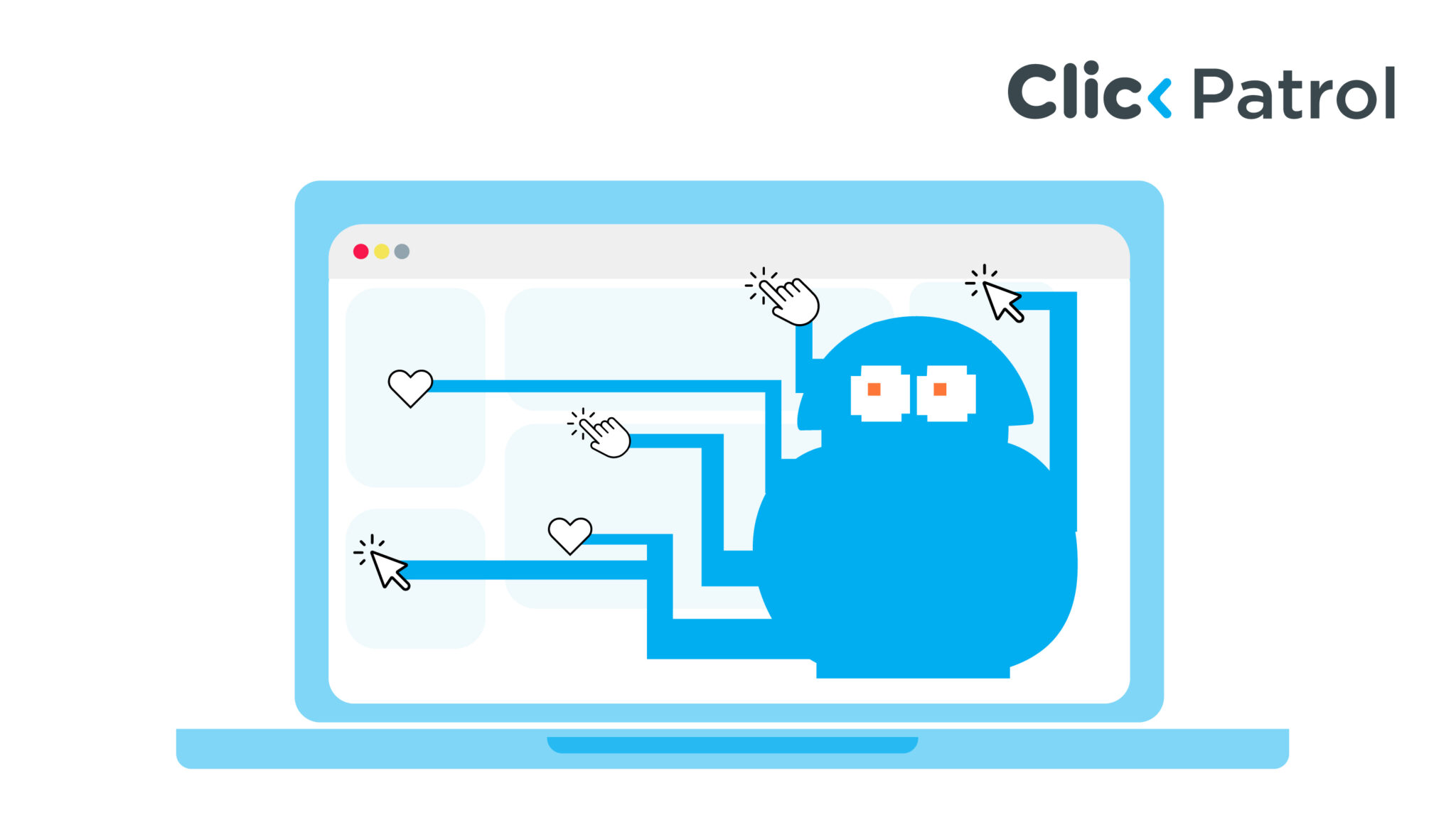
Table of Contents
- Understanding the bot traffic problem in PPC campaigns
- Why bot traffic hurts PPC performance and ROI
- Statistics that prove the bot traffic impact on PPC
- Common sources and types of bot traffic in PPC
- Why traditional PPC platform protections fall short against bots
- How to filter bot traffic in PPC campaigns: Proven methods
- Segment & audit sources of traffic
- Use analytics to find anomaly detection
- Using IP and proxy filters
- Set custom bot filters and alerts
- Align clicks with Conversions
- Apply advanced tools for detection
- How ClickPatrol detects and blocks bot traffic in PPC campaigns
- How to set up bot traffic filtering in your ppc account (step-by-step)
- Stop bot traffic in PPC: Protect your ad budget with real-time click fraud prevention
Bot traffic in PPC campaigns is one of the most damaging yet overlooked threats in digital advertising today.
Pay-per-click (PPC) campaigns are among the strongest tools in a digital marketer’s toolkit because they help businesses reach high-intent prospects and generate measurable returns.
However, a silent budget killer often works behind the scenes, draining ad spend and distorting performance data: bot traffic.
Bot traffic refers to automated visits generated by scripts, click farms, or malware. In this article, we will explore how bot traffic affects PPC campaigns, why blocking it is critical to protecting ROI, and how ClickPatrol automatically detects and blocks invalid traffic at the source before it harms your advertising performance.
Understanding the bot traffic problem in PPC campaigns
Bot traffic refers to any traffic interacting with your ads or landing pages that is not generated by a human.
Most web crawlers are simple but are often called “bad bots,” which repeatedly click PPC ads without converting, wasting your budget.
According to industry research, this includes invalid traffic, comprising all bots, automated scripts, and other non-human traffic, which was estimated at 17.9% of the monitored fake traffic globally.
What does that mean in practice? If 1 in 6 or more clicks on your PPC campaigns come from automated sources, the result isn’t just wasted money, it’s misleading analytics, confused bidding algorithms, and poor campaign decisions.
Why bot traffic hurts PPC performance and ROI
Imagine spending money on clicks that will never convert, skewing your data, and teaching Google Ads or Microsoft Ads machine learning bad data.
Bot traffic has a number of harmful impacts on PPC campaigns:
- Budget waste: The funds allocated to spam clicks do not translate into actual leads or revenue.
- Deceptive metrics: Inflated click-through rates (CTR) or impressions make campaigns appear stronger than they are on the surface.
- Skewed bidding: Auto-bidding systems can lead to higher spending on noisy signals generated by bot activity.
- Decreased ROI: Your ad-spend payback (ROAS) is reduced because you only reach fewer real customers.
Statistics that prove the bot traffic impact on PPC
A few reliable industry data points can help us see the extent of this problem: There is extensive bot traffic and invalid clicks.
- Based on data compiled across several industries, it is estimated that around 14% of all PPC clicks are click fraud, that is, not by actual users but by bots or other invalid sources.
- Invalid traffic rates in PPC campaigns can reach 60% or higher in certain competitive niches, meaning over half of all clicks may be bots.
- Studies indicate that about 20% of internet traffic is caused by bad bots capable of engaging in ad fraud.
Invalid traffic is not a small inconvenience.
- A detailed survey of advertising campaigns found that up to 36% of display ad clicks are fake or invalid.
- According to Statista, 17% of all ad impressions worldwide were counted as fraudulent over a measured period, indicating that bot issues extend beyond clicks to impressions as well.
Financial cost of bot traffic.
- According to industry estimates, ad fraud losses are projected to reach an unprecedented 172 billion globally by 2028.
- This loss directly translates into budget waste, since most advertisers use performance-based channels.
Common sources and types of bot traffic in PPC
It is important to recognize the various sources to better filter the traffic for the marketer. The key sources include:
Automated bots
Programs that run automatically account for a substantial amount of bot-generated traffic. The aim of these programs is to mimic the ordinary behavior of human users by clicking on ads.
Click farms
A cluster of cheap labor or rented infrastructures is used to systematically click ads to exhaust rival budgets or deceive site metrics.
Proxy and datacenter traffic
Many large-scale bot farms operate from data centers or proxy servers that mask the source of the traffic in the first place. This makes it extremely difficult for human intervention to detect such practices.
Competitor sabotage
In certain industries, rival businesses may click your ad to deplete your budget. Such actors include those capable of generating PPC clicks that are superficially legitimate but, in fact, burn up campaign budgets.
Why traditional PPC platform protections fall short against bots
Google Ads, Microsoft Ads, and other large platforms provide built-in invalid traffic detection that identifies and filters certain bot clicks. But these systems:
- Only known patterns, no elaborate automation.
- Trust in shared data between advertisers may not keep pace with the evolution of bot methods.
- Filter bots often post-clicks rather than block them at the outset.
This explains why in some campaigns run by seasoned PPC teams, double-digit percentages of invalid clicks have bypassed platform filters.
How to filter bot traffic in PPC campaigns: Proven methods
Filtering bot traffic requires both preventative measures and active monitoring. Here are some proven tactics to be used by PPC managers:
Segment & audit sources of traffic
- Low quality: exclude sources with high bounce rates or unusual geographic patterns.
- Device and browser fingerprint monitoring: Peculiar combinations may indicate automated traffic.
Use analytics to find anomaly detection
- Watch for spikes in clicks with no corresponding conversions, a classic bot signature.
- Look at session duration and behaviour flow: bot sessions have micro-sessions under 5 seconds.
Using IP and proxy filters
- Block repeated IP addresses with high click counts.
- Exclude datacenter ranges and known proxy networks.
Set custom bot filters and alerts
- Set up alerts for suspicious click patterns, including consistent intervals or impossible time windows-for example, bursts at midnight.
Align clicks with Conversions
- Focus your optimization on real user actions-meaningful form fills, purchases, and sign-ups-rather than raw clicks.
Apply advanced tools for detection
- While manual monitoring catches many obvious issues, sophisticated bots often evade the most basic filters. This is where tools designed to detect bots become quite vital.
How ClickPatrol detects and blocks bot traffic in PPC campaigns
ClickPatrol is an anti-bot system created specifically for PPC campaigns.
Unlike other solutions that wait for bot impact on your analytics and billing, ClickPatrol protects your campaigns against invalid traffic at the source and thereby safeguards that:
- Your ad spending is protected against pointless bot clicks.
- Analytics is based on human interests.
Automated systems, such as Google’s bidding algorithms, require learning from high-quality data.
How to set up bot traffic filtering in your ppc account (step-by-step)
Here’s an actionable workflow in summary that you can follow:
- Integrate ClickPatrol with your ad accounts and analytics: Link ClickPatrol with your primary ad networks and analytics for unified visibility.
- Establish baselines: Determine your average conversion rates and traffic patterns before filtering.
- Enable real-time filtering: Set live bot-detection and blocking thresholds tailored to your industry and traffic volumes.
- Monitor alerting and reporting: Review flagged traffic and modify sensitivity as needed.
- Review performance on a weekly basis. Check the status of conversions, CPA, and ROAS to ensure filtering is improving the results.
Stop bot traffic in PPC: Protect your ad budget with real-time click fraud prevention
Bot traffic in pay-per-click marketing efforts is not theoretical; rather, it is a real and discernible risk with negative repercussions for advertising results.
Research proving that up to one in every six clicks is invalid or does not involve humans, and projections which forecast that hundreds of billions of ad spending could be lost to this issue, clearly indicate that enhancing bot detection cannot and should not remain an elective solution for marketers.
To shield your campaigns, what you will need is a combination of analytics data, exclusion filters, and smart automation.
The real-time detection and source blocking feature of ClickPatrol will enable you to filter out unwanted traffic before it affects your budget data and provide insights. This will make it easier for you to target real people through PPC.
Frequently Asked Questions
-
How can I determine whether my ppc clicks are coming from bots?
-
Does Google Ads automatically block bot traffic?
While Google Ads and similar systems do offer mechanisms to detect invalid traffic, advanced bots can still evade detection, which is why services such as ClickPatrol exist.
-
Can bot traffic affect my ad bidding strategies?
Yes, artificial clicks and engagement may skew automated bidding algorithms, leading to increased spending on low-quality signals.


- Chamber of Commerce: 71448519
- VAT: NL858719423B01

-
- Get Started
- Plans & Pricing
- Start Your Free Trial
- Book a Demo
- Sign in
-
- Partners
- Become Affiliate
- For Agencies
- For Brands
Trusted by thousands of advertisers worldwide